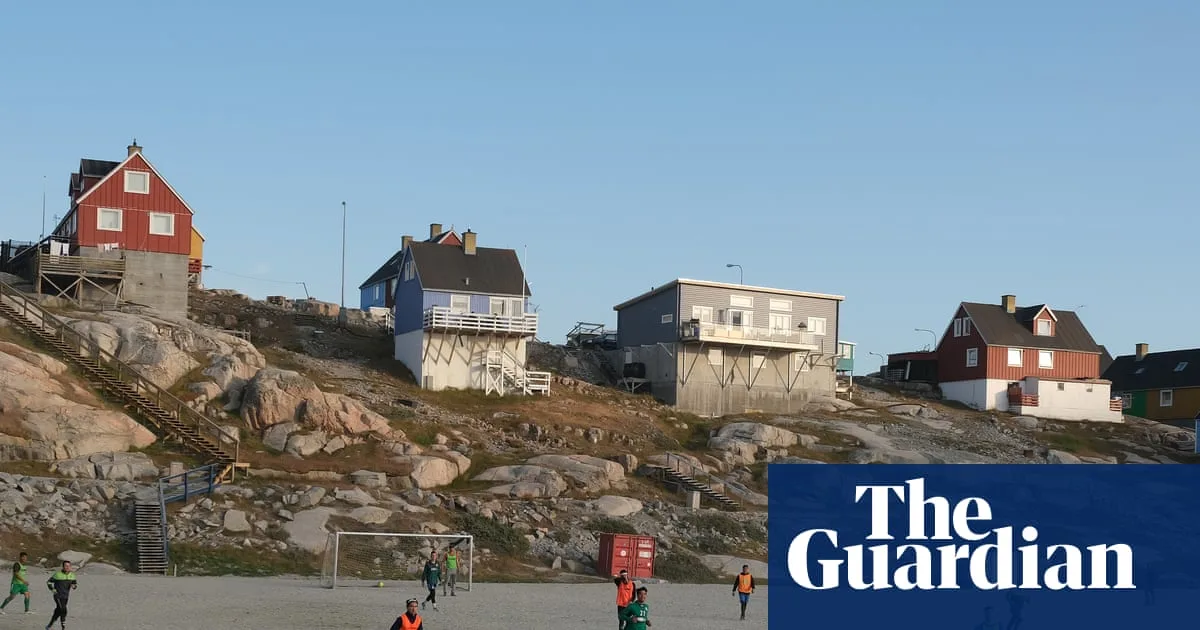
In a development that highlights the increasingly complex intersection of global politics and sport, senior figures within European football are engaging in unprecedented discussions about the possibility of boycotting the 2026 World Cup. This extraordinary consideration comes as a direct response to former US President Donald Trump's ambiguous statements and geopolitical manoeuvres concerning Greenland, a territory that belongs to Denmark, a UEFA member nation.
The Unthinkable Becomes Discussable
What would have been dismissed as pure fantasy just a few years ago is now being seriously contemplated in the corridors of football power. The catalyst for these remarkable conversations was a recent gathering of national association heads at a Hungarian Football Federation anniversary event, where unofficial talks revealed growing concern about how to address what many are calling "the US-shaped problem."
As one source familiar with the discussions explained, "Unprecedented times call for previously unthinkable conversations. While flexibility remains essential in this volatile situation, there's a clear understanding that nobody can afford to be caught unprepared if decisive action becomes necessary."
FIFA's Political Entanglements
The situation has been further complicated by the increasingly visible relationship between FIFA President Gianni Infantino and the Trump administration. Many observers noted the symbolic significance when Trump accepted an inaugural FIFA Peace Prize from Infantino in December, an event that some federations initially treated with amusement but now view through a more serious lens given current geopolitical developments.
There is now a growing consensus among European football authorities that FIFA has deliberately chosen to politicise itself through these associations, a decision that could have significant consequences if Trump follows through on his suggestions regarding Greenland. The precedent set by Russia's exclusion from international competitions following its invasion of Ukraine in 2022 looms large in these discussions, with many asking why similar principles shouldn't apply if the United States were to take military action against a UEFA member's territory.
Political Responses and Football's Unique Position
Government responses across Europe have been measured but revealing. French Sports Minister Marina Ferrari stated that France currently has no plans for a boycott but notably added the caveat "as it stands now," leaving the door open for future reconsideration. Meanwhile, German Sports Minister Christiane Schenderlein deflected decision-making responsibility to "the competent sports associations," effectively passing the baton to football's governing bodies.
This political positioning has created a unique opportunity for football authorities to potentially take a stand where governments might hesitate. Trump has personally invested significant political capital in the World Cup project since his first term, frequently referencing his role in securing the hosting rights when they were awarded in 2018. The prospect of visible damage to what he considers a personal achievement could carry substantial diplomatic weight.
The Practical Realities and Public Sentiment
Despite the seriousness of these discussions, practical considerations remain significant. No European football association has yet publicly committed to a boycott position, and many are expected to follow their respective governments' official stances. The relationship between UEFA and FIFA, while strained at times - particularly following disagreements around the FIFA congress in Paraguay earlier this year - has generally been maintained through careful diplomacy.
Nevertheless, public sentiment appears to be shifting. Initiatives such as a popular petition in the Netherlands calling for a World Cup boycott demonstrate that grassroots support exists for decisive action should circumstances deteriorate. This public pressure adds another layer to the complex calculations facing football administrators.
Looking Ahead: Diplomacy or Confrontation?
The most likely immediate outcome appears to be continued behind-the-scenes diplomacy rather than public confrontation. Some within UEFA believe that if European football authorities demonstrate sufficient unity, they might compel Infantino to engage in more substantive diplomacy with his contacts in the Trump administration regarding the Greenland situation.
As one senior figure within European football circles noted, "The hypotheticals can no longer be dismissed as mere speculation. Recent events have made it abundantly clear that football's leadership must remain agile and prepared for all eventualities. The pitch has been quietly rolled for potential action; the enduring hope is that it never needs to be used."
The coming months will reveal whether football can navigate these uncharted political waters or whether the beautiful game will find itself making history in ways its administrators never anticipated.