UEFA Backs FIFA's 48-Team Club World Cup Expansion for 2029
In a significant development for global football governance, UEFA is set to endorse FIFA's ambitious plan to expand the Club World Cup to 48 teams for the 2029 edition. This move signals a notable thaw in the previously strained relations between the presidents of the two organisations, Aleksander Ceferin and Gianni Infantino.
Improved Relations Between Governing Bodies
European football's governing body had initially opposed the expansion proposals, primarily over concerns that an enlarged Club World Cup could undermine the prestige and financial viability of the UEFA Champions League. However, UEFA has now shifted its position, agreeing to back FIFA in exchange for a crucial concession: the tournament will not be held every two years.
This compromise represents a strategic alignment between the two powerhouses of world football. Real Madrid had previously advocated for a biennial Club World Cup during discussions with FIFA in Miami last June, but this idea failed to gain traction due to opposition from UEFA and all major European domestic leagues.

Financial Implications and Competitive Balance
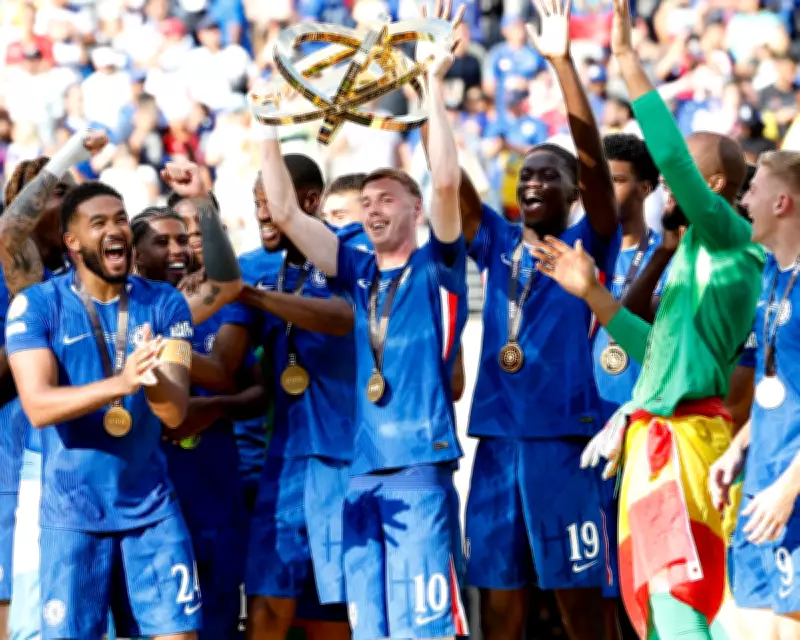
The expansion promises substantial financial rewards for participating clubs. Chelsea's victory in last year's tournament earned them £85 million from the competition's total prize pool of £774 million. With the proposed expansion to 48 teams, the number of UEFA qualifiers is expected to increase from 12 to 16 for the 2029 edition.
While some within UEFA remain concerned about the potential destabilising effect of such significant financial incentives on European football structures, the organisation has calculated that a larger tournament occurring less frequently represents a more manageable risk than a biennial competition.
Legal and Political Context
The path to expansion isn't entirely clear. FIFA faces ongoing legal challenges from the European Leagues lobby group, which has taken its concerns about the international match calendar – including decisions regarding the Club World Cup – to the European Commission.
Meanwhile, the improved relations between UEFA and FIFA mark a dramatic turnaround from their recent nadir. Just last May, Ceferin led a group of European delegates – including Football Association chair Debbie Hewitt – in a walkout at the FIFA congress in Paraguay. This protest was triggered by Infantino's late arrival, following his diplomatic tour of the Middle East with Donald Trump and Mohammed bin Salman.
Future Prospects and Hosting
With both Ceferin and Infantino likely to seek re-election for fourth terms next year, sources close to both leaders indicate that maintaining this period of cooperation serves their mutual interests. The timing of this agreement coincides with Real Madrid's recent decision to formally withdraw from the European Super League, ending their five-year legal battle with UEFA and signalling their alignment with the established football hierarchy led by Infantino, Ceferin, and Paris Saint-Germain president Nasser al-Khelaifi.
Spain and Morocco have emerged as frontrunners to host the expanded 2029 Club World Cup, which would serve as a precursor to their co-hosting of the 2030 World Cup. The tournament is scheduled for summer 2029, with detailed arrangements still to be finalised between the governing bodies.
UEFA declined to comment on the specific arrangements, but the organisation's willingness to support FIFA's expansion plans represents a watershed moment in international football politics, potentially reshaping the competitive landscape for elite club competitions worldwide.