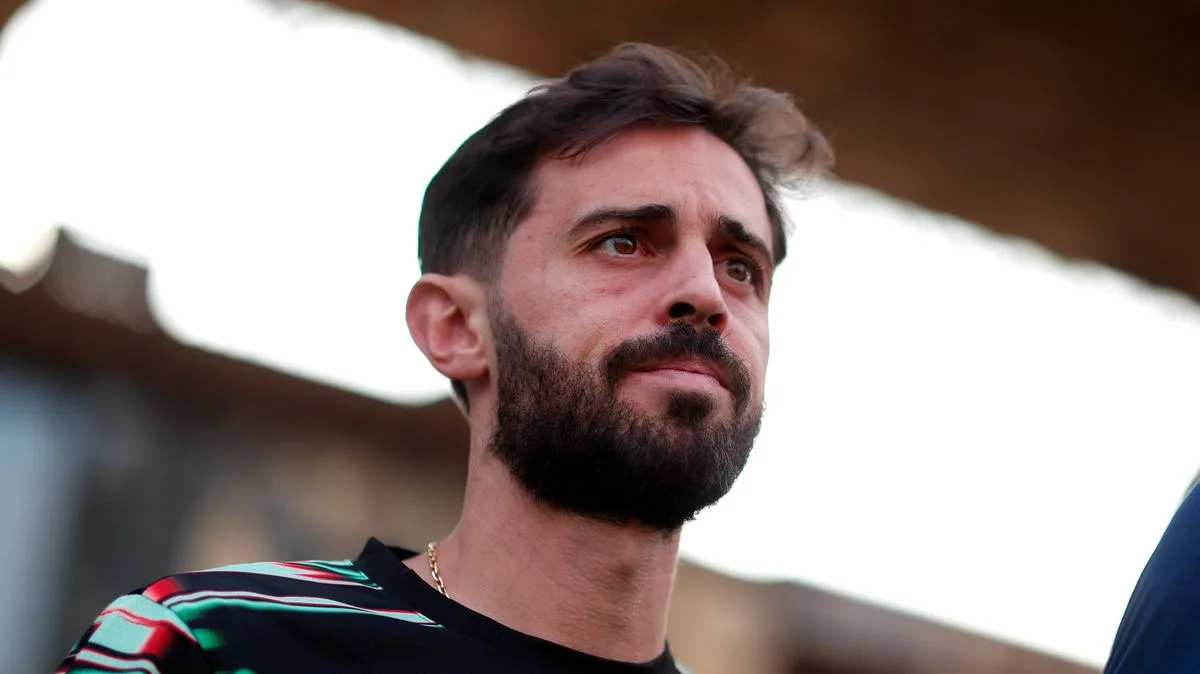
Bernardo Silva is at the centre of a three-way transfer tussle between Real Madrid, Barcelona and Atletico Madrid after leaving Manchester City as a free agent. The 31-year-old Portuguese midfielder departed the Etihad this summer following a trophy-laden spell that yielded 20 honours under Pep Guardiola.
Real Madrid have now tabled an official proposal to Silva and are growing increasingly confident of securing his signature. The Spanish giants, under returning manager Jose Mourinho, are looking to rebuild after a trophyless season and have already lined up Denzel Dumfries and Ibrahima Konate as further reinforcements.
Barcelona had long been considered the frontrunners for Silva, but Real Madrid's late intervention has thrown the race wide open. Atletico Madrid are also monitoring the situation, creating a potential derby battle for the playmaker's services.
Silva has indicated he will wait until after the World Cup to decide his future, but the Spanish giants are pushing for a swift resolution. The former Monaco star spent nearly a decade under Guardiola and was visibly emotional on the final day of the Premier League season, describing his time at City as 'something truly special'.
Should Silva opt for Real Madrid, he would link up with Mourinho, who returns to the Bernabeu for a second stint after previously managing the club from 2010 to 2013. The move would represent a significant change for Silva after years of Guardiola's system.