Outrage Over Women's Africa Cup of Nations Postponement Grows
Outrage Over Women's Africa Cup of Nations Postponement

Outrage Mounts Over Women's Africa Cup of Nations Postponement

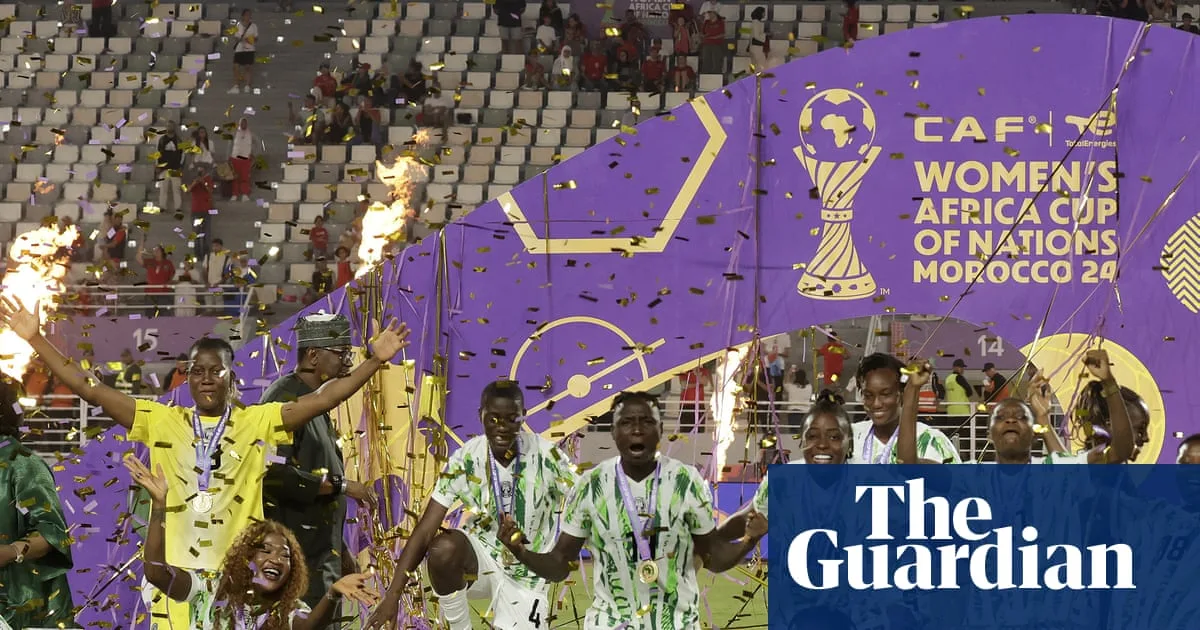
Players and coaches across Africa are demanding greater accountability from the Confederation of African Football (CAF) following the latest postponement of the Women's Africa Cup of Nations (WAFCON). The tournament, originally scheduled for March 17 to April 4, 2026, in Morocco, was abruptly rescheduled to July 25 to August 16, 2026, just 12 days before its planned start. This decision has further disrupted preparation schedules and ignited widespread frustration in the women's football community.

Broken Promises and Disrupted Plans

On February 13, CAF President Patrice Motsepe assured stakeholders that the WAFCON would proceed as planned. However, this promise was shattered on March 5, marking another setback for a competition that has faced continual disruptions since 2020. The 2024 edition was previously postponed by 19 months to July 2025, adding to the uncertainty. Many teams, including defending champions Nigeria, Cameroon, and Ghana, were actively engaged in friendly matches across Africa and Asia to gear up for the tournament, which also determines qualifiers for the upcoming World Cup.

CAF cited "unforeseen circumstances" for the rescheduling, but declined to provide specifics when questioned by The Guardian. Luxolo September, CAF's head of communications, did not respond to requests for clarification. This lack of transparency has fueled anger among players and officials, who view the repeated delays as a sign of disrespect towards women's football on the continent.

Voices of Frustration and Disappointment

Desiree Ellis, coach of South Africa's national team, voiced her concerns publicly, questioning whether such treatment would occur in men's football. "It's not really fair," she told the South African Broadcasting Corporation. "I'm just going to raise a question with this WAFCON: would this be happening with the men's game?"

An anonymous executive committee member of the Nigeria Football Federation echoed this sentiment, stating, "It is a huge shame that the women's game is treated with so much levity on the continent. How can CAF repeatedly treat the WAFCON so shabbily, with so much disrespect towards the players?" The member highlighted wasted efforts, noting that Nigeria had played preparatory friendlies against Cameroon in Yaoundé, all of which are now rendered futile.

Rinsola Babajide, a Nigerian player for Roma, summed up the sentiment on social media, calling the situation "actually embarrassing at this point."

Broader Impacts and Political Tensions

The postponement has had ripple effects beyond the pitch. Ghana's Black Queens, competing in the Pink Ladies Cup in the United Arab Emirates, faced additional stress due to regional conflicts. Coach Kim Björkgren described the experience as "frightening," with players struggling to sleep amid bomb sounds at night. He expressed deep disappointment, noting the long-term planning that has now been upended.

Journalists have also been affected financially. Firdose Moonda, a Guardian contributor, had to purchase new flight tickets at more than double the cost after her travel plans to cover the tournament were disrupted. She argued that CAF should cover these expenses. South Africa's sports minister, Gayton McKenzie, supported this view, urging CAF to reimburse journalists and suggesting that political motives might be behind the hosting issues, possibly linked to Morocco's loss in the men's Africa Cup of Nations final.

Morocco's football federation declined to comment on its inability to host or confirm if the rescheduled tournament will still take place there. Meanwhile, mid-level CAF staff in Cairo have called for accountability from executive committee members, such as Bestine Kazadi Ditabala, head of the women's football committee.

Governance Challenges and Future Concerns

The rescheduled WAFCON is set to begin just six days after the men's World Cup final and overlap with the Commonwealth Games in Glasgow, potentially limiting global attention. This situation underscores governance incompetence within CAF, with critics holding President Motsepe and General Secretary Véron Mosengo-Omba responsible for the mismanagement.

As African women's football grapples with these disruptions, the call for respect and reliable scheduling grows louder. The repeated postponements not only hinder athletic preparation but also undermine the growth and visibility of the sport on the international stage.