NFL Free Agency 2026: Ravens Land Crosby, Jets Falter in Major Moves
As the NFL's new league year kicks off, teams have made significant moves shaping the 2026 season. The Baltimore Ravens emerged as clear winners by acquiring star edge-rusher Maxx Crosby, while the New York Jets faced criticism for puzzling decisions. This analysis delves into the best and worst of free agency, highlighting key transactions and their potential impacts.
Winners: Strategic Moves Pay Off
Los Angeles Rams demonstrated contender mentality by aggressively addressing weaknesses. With Matthew Stafford's retirement looming, the Rams pushed chips into the middle, trading for All-Pro cornerback Trent McDuffie and signing Jaylen Watson to revamp their secondary. These additions provide coverage flexibility and bolster their playoff prospects. Re-signing safety Kam Curl filled roster holes, and holding the No. 13 draft pick allows them to target a high-wattage playmaker early.
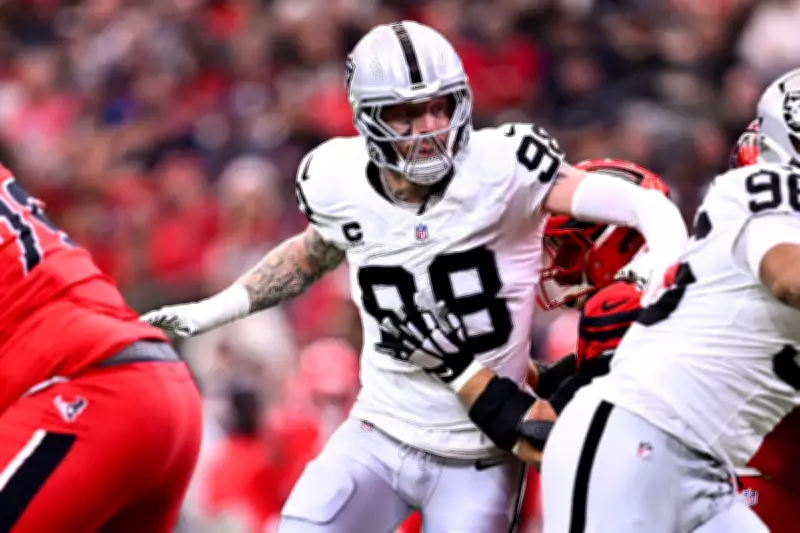
Baltimore Ravens made the splash of the offseason, trading two first-round picks for Maxx Crosby. Despite declining production, Crosby remains a pass-rushing force capable of single-handedly disrupting offenses. This move aligns with the Ravens' championship window, offering a game-breaker for postseason success. His favorable contract made the trade costly but worthwhile for a team in win-now mode.

Mike Evans left the Tampa Bay Buccaneers after 12 seasons, signing a three-year deal with the San Francisco 49ers. As a future Hall of Famer, Evans sought a contender, betting on Brock Purdy and Kyle Shanahan over Tampa's mediocrity. His veteran presence and big-bodied threat fill a critical need for the Niners, enhancing their stacked offense and providing Purdy with a dominant 50-50 target.
A Mixed Bag: Hits and Misses
Las Vegas Raiders spent heavily to meet salary cap requirements, but context matters. After trading Crosby and cutting Geno Smith, they needed to allocate cash, signing center Tyler Linderbaum to a record deal. While Linderbaum excels as a run blocker, his pass protection flaws and market-resetting contract raise concerns. Other signings like Quay Walker and Jalen Nailor add explosiveness, but the Linderbaum deal exemplifies poor roster construction.
Tennessee Titans followed a clear plan by reuniting coach Robert Saleh and coordinator Brian Daboll with former players. Signings like Wan'Dale Robinson and Alontae Taylor aim to build a nasty defense, but offensive gaps and overpaying for familiarity risk inefficiency. Mimicking the Patriots' approach, they hope for a breakout from quarterback Cam Ward, yet success hinges on addressing remaining weaknesses.
Losers: Questionable Strategies Unfold
New York Jets faced scrutiny for a lack of coherent planning. Spending on aging veterans like Minkah Fitzpatrick and Demario Davis made their defense older and slower, lacking dynamism for the modern game. With no clear quarterback plan beyond Geno Smith or Carson Wentz, the Jets' approach seems destined for mediocrity, relying on savvy vets past their prime rather than building for the future.
Cleveland Browns continued to tread water, overpaying for below-average offensive linemen like Zion Johnson and Tytus Howard. Stuck with Deshaun Watson's burdensome contract, they lack roster flexibility and face a quarterback competition with Shedeur Sanders. Failing to trade Myles Garrett for draft capital shows a lack of vision, leaving them in a financial and competitive hole with little hope for improvement.
Overall, free agency highlighted teams like the Ravens and Rams making bold moves for contention, while the Jets and Browns struggled with directionless strategies. As the draft approaches, these decisions will shape the NFL landscape for the 2026 season and beyond.