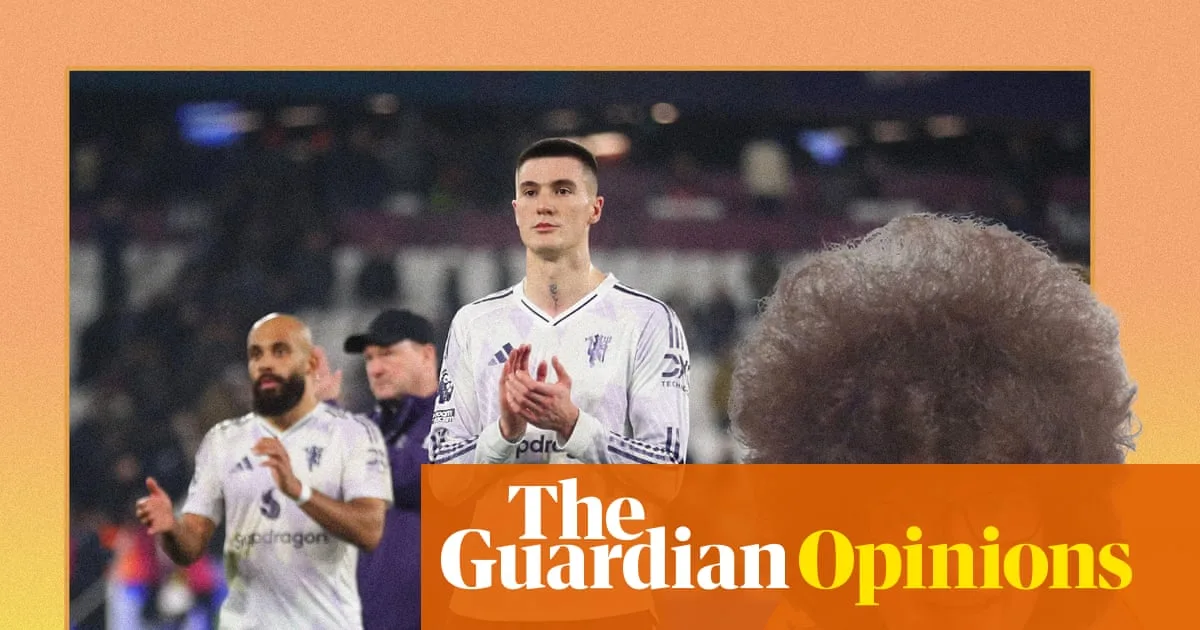
The Manchester United Haircut Guy: A Parable for Football's Content Era
Man Utd Haircut Guy Exposes Football's Content Obsession

The Manchester United Haircut Guy: A Modern Football Parable

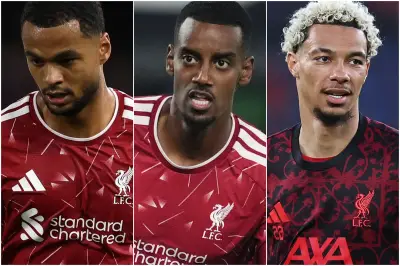
In a week where footballers publicly dismissed concerns over a fan's hairstyle, the sport's narrative took an unexpected turn. Matheus Cunha stated, "I don't care about his haircut at all," while Bruno Fernandes echoed similar sentiments, and Michael Carrick acknowledged the issue but downplayed its relevance to Manchester United's match preparations. Yet, this seemingly trivial matter has ballooned into a cultural phenomenon, overshadowing a Premier League draw and sparking widespread debate.

The Rise of The United Strand

Frank Ilett, now known as The United Strand, made a pledge in October 2024 to avoid cutting his hair until Manchester United secured five consecutive wins in all competitions. This personal vow has spiraled into a viral sensation, with his unshorn locks becoming a symbol of the club's struggles. During a recent match against West Ham, a quarter of a million viewers tuned into a live stream on Kick to watch Ilett's reaction, as his fate became intertwined with United's performance on the pitch.

As United conceded an early goal, cameras frequently zoomed in on Ilett, capturing his Janus-like dilemma between fan devotion and personal branding. His growing hair has paralleled an increase in Instagram followers and corporate partnerships, including a deal with a talent agency and endorsements from brands like Argos, which announced plans to send hair styling products upon the curse's end.

Football's Shifting Priorities

This episode raises critical questions about football's core identity. To what extent does the sport still revolve around winning and losing matches? In an age dominated by algorithms and the attention economy, football has evolved into an elite advertising space where success is often measured by content generation rather than trophies. Examples abound, from Jake Paul's boxing prominence despite poor skills to Ilona Maher's rugby influence without active play, highlighting a trend where visibility trumps victory.

Manchester United's prolonged period of underperformance has not hindered their financial or corporate standing, instead fueling a cottage industry of content creators like Ilett, Andy Tate, and Mark Goldbridge. As Arne Slot noted, Liverpool's Champions League ambitions are driven more by financial imperatives than competitive glory, underscoring how modern clubs prioritize existence and content production over traditional sporting achievements.

A Reflection of Societal Trends

Ilett's story serves as a bleak parable for contemporary society, where individuals are captives of the attention economy, scrolling through smartphones in a cycle of consumption and production. The phrase "the pressure of the haircut" has entered football lexicon, akin to "the weight of the shirt," blurring lines between sport and content. In a world rewired around social media clout, Ilett's grift—festooned in betting adverts and livestreams—reflects a landscape where agency is stripped by technocapitalist structures.

From Taylor Swift videos to global crises, everyone competes in the same digital arena, grasping for discourse dominance. Ilett's uncut locks hold up a mirror to this reality, challenging us to reconsider what truly matters in football and beyond. As content and sport become indistinguishable, his journey exposes the hollow core of an era obsessed with virality over substance.