In the high-stakes world of professional darts, a player's nickname is far more than a casual moniker. It's a crucial part of their brand, a psychological weapon, and sometimes, the subject of a winner-takes-all wager between friends. The story of how world champion Luke Humphries earned his iconic alias, 'Cool Hand', is a perfect example of just how seriously these titles are taken.
The Nickname Showdown in Wigan
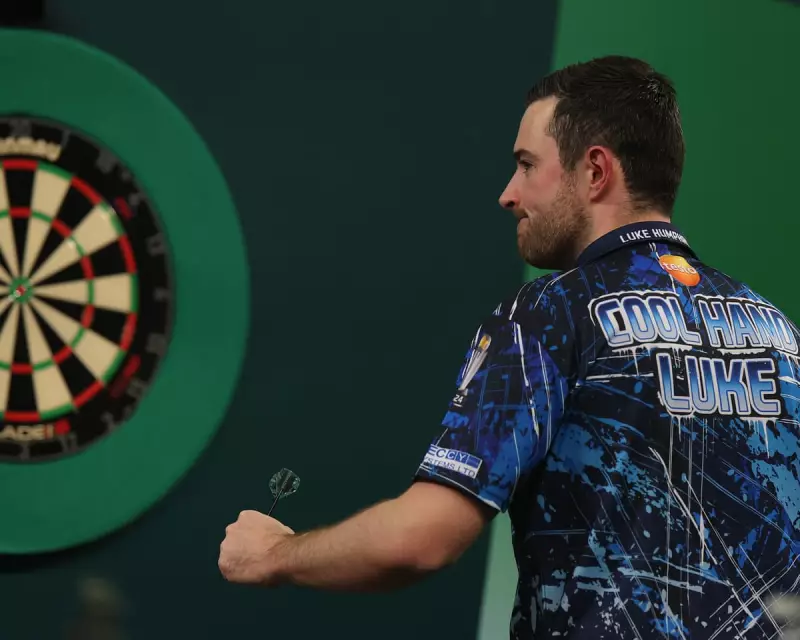
The year was 2017, and the setting was a modest Challenge Tour quarter-final at the Robin Park Leisure Centre in Wigan. Two aspiring professionals, Luke Humphries and Martin Lukeman, found themselves drawn against each other. Both friends harboured dreams of the big time, but they had a branding clash. Humphries had chosen 'Cool Hand', inspired by the 1967 Paul Newman film he admits he'd never seen. Lukeman had opted for 'Cool Man'.
Recognising the conflict, the pair made a pact. This best-of-nine match would decide it. The winner would keep their cool-themed nickname; the loser would have to go back to the drawing board. Humphries emerged victorious, claiming 'Cool Hand' as his own. Lukeman later rebranded as 'Smash'. In hindsight, this seemingly minor contest appears fateful. Humphries's unflappable, consistent rise to the pinnacle of the sport perfectly embodies his nickname, while Lukeman's career, though successful, has been marked by the very streaks and lulls that 'Cool Hand' avoids.
More Than Just a Name: The PDC's Nickname Culture
When new players register with the Professional Darts Players’ Association (PDPA), they must submit a nickname that will follow them throughout their career. The origins of these aliases are wonderfully diverse. Some are simple and self-explanatory, like Mervyn 'The King' King or Ryan 'The Barber' Meikle. Others are puns, such as Beau 'Beau and Arrow' Greaves.
Many nicknames are imported from a life before darts. Jonny Clayton earned 'The Ferret' from his days as a tenacious rugby scrum-half for Pontyberem. Chris Dobey was dubbed 'Hollywood' by friends in Bedlington for his sharp dress sense. Players from outside the darting heartlands often find themselves with nationally-themed tags, like Krzysztof 'The Polish Eagle' Ratajski or China's Xiaochen 'The Panda Man' Zong.
However, the most impactful nicknames today are often the product of careful branding. New players and their agents frequently collaborate with the PDC's publicity department to craft a marketable identity. Broadcasters have also played a historic role; Sky Sports production manager Peter Judge famously coined Phil Taylor's legendary alias, 'The Power'.
When Nicknames Cross the Line
Not every nickname makes it to air. The PDC polits its global, family-friendly image carefully. Australian player Tim Pusey was informed that his long-standing nickname, 'The Magnet', was no longer acceptable for broadcast. Similarly, young Devon talent Owen Bates had his attempt to call himself 'The Master' swiftly rejected.
This underscores the modern reality: a darts nickname is a powerful commercial asset. For legends like Eric 'The Crafty Cockney' Bristow, it was a personality amplifier. For contemporary stars like Stephen 'The Bullet' Bunting and Luke 'The Nuke' Littler, it's integral to selling merchandise, from replica shirts to pet bandanas. In an era where every athlete is a personal brand, darts has long understood that a great nickname isn't just a label—it's a legacy.