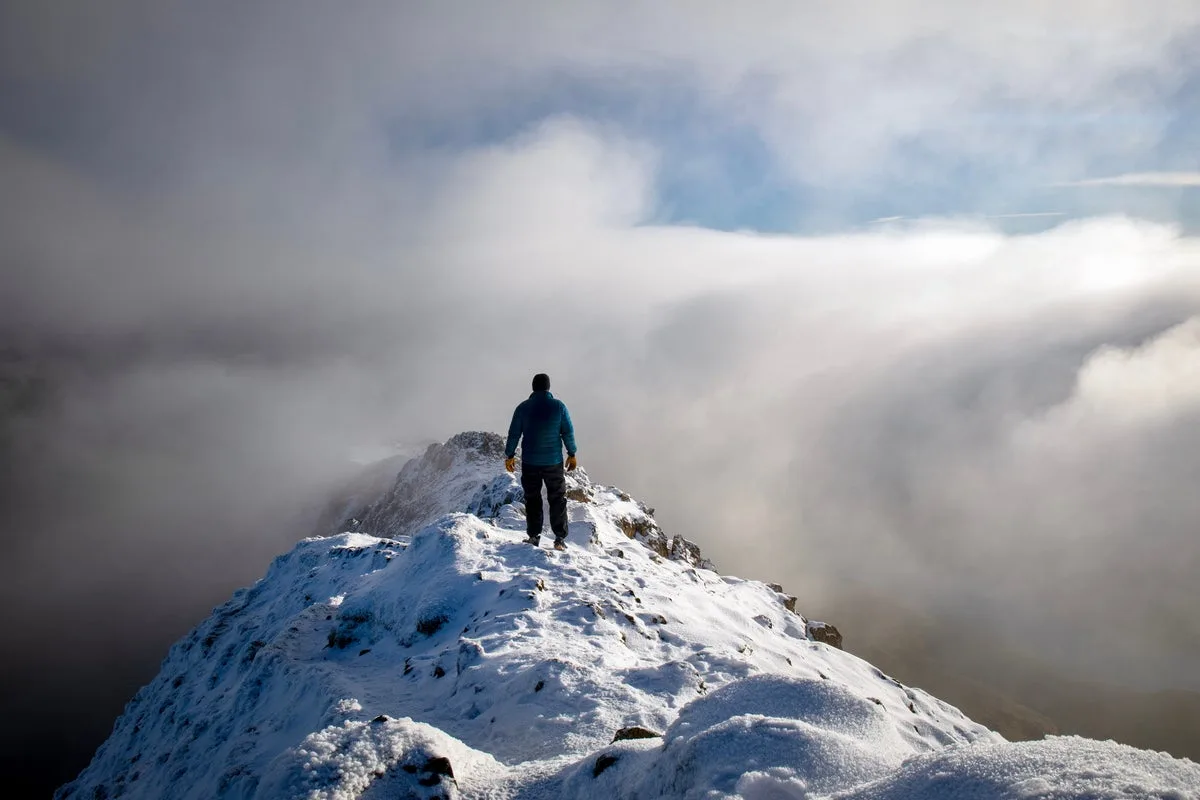
Mountain Rescue Teams Overwhelmed by Social Media Hikers on Snowdon
Social media hikers overwhelm Snowdon mountain rescue

Britain's busiest mountain rescue team has issued a desperate warning after being inundated with emergency calls from underprepared young men attempting dangerous viral hiking routes. Volunteers from the Llanberis Mountain Rescue Team, which covers Snowdon, Wales's highest peak, say if the 'exponential' rise in callouts continues, they will reach a point where they cannot respond to every incident.

A Record-Breaking and Dangerous Trend

The team, which handles a staggering nine per cent of all mountain rescues across England and Wales, revealed a deeply concerning pattern in November. Of 22 emergencies they attended, seven involved rescuing young men under the age of 24 from the perilous Crib Goch ridge scramble. Chair of the team, Jurgen Dissman, stressed that winter conditions drastically increase the risks.

'We’ve had multiple callouts through November and now another at the start of December for people getting into serious difficulty on Crib Goch — often because the terrain has been underestimated or experience overestimated,' Mr Dissman said. He urged hikers to ensure their 'experience, skills, fitness and equipment match the route and the conditions - especially in winter.'

The Social Media Influence and a Close Call

Rescue officials and data suggest a clear link between social media trends and the surge in incidents. Andy Harbach, chair of the North Wales Mountain Rescue Association, told The Times that platforms 'do have some influence' on where people hike, with many venturing out without traditional skills or mentorship.

This is corroborated by statistics showing callouts for the 18-24 age group, the heaviest social media users, have nearly doubled from 166 in 2019 to 314 last year. A case in point is Londoner Nathan Buru, whose TikTok video of his own rescue from Crib Goch in November gained over 500,000 views. In the clip, he admitted setting out despite bad weather, saying 'me being me, the adrenaline junkie, I said, "Of course".'

Commenters noted his inappropriate attire, with one observing he was 'dressed like ur going to the pub'. After his 'legs stopped working', a five-and-a-half-hour rescue operation ensued, ending at 11.30pm. Mr Buru later stated he and his friends would have died without the volunteers, whom he thanked, before casually adding he was 'thinking of doing Ben Nevis next'.

An Unsustainable Crisis for Rescue Volunteers

The scale of the problem is unprecedented. The Llanberis team has seen callouts soar from 208 in 2016 to a record 346 this year, beating the previous record set just last year. In a YouTube video aimed at raising awareness, Mr Dissman painted a grim picture of the future if the trend is not curbed.

'It’s going to get to a point... where there are so many jobs, and they are all serious... all that co-ordination becomes really tricky to manage,' he warned. 'If it carries on like it is, we will not be able to respond. We will get to people but if you are just a bit tired... it might take us five hours to get to you, not two.'

He emphasised that severe weather can prevent teams from launching immediately, leaving casualties in peril for hours. The ultimate message from the exhausted volunteers is clear: the mountains demand respect, and no social media post is worth a life—or the strain on the lifesaving services pushed to their limit.