Rhode Island Hockey Team Reaches Championship After Ice Rink Tragedy
When Colin Dorgan steps onto the ice this Wednesday to compete in the Rhode Island Division 2 boys' state championship, three seats will remain conspicuously empty in the packed arena. The high school senior's mother, brother, and grandfather should be present to celebrate one of the most pivotal moments in his hockey career, but that opportunity was tragically stolen when all three were killed in a shooting that erupted while Dorgan was playing a game with his Blackstone Valley Co-op teammates.
A Community Shaken and a Season in Doubt
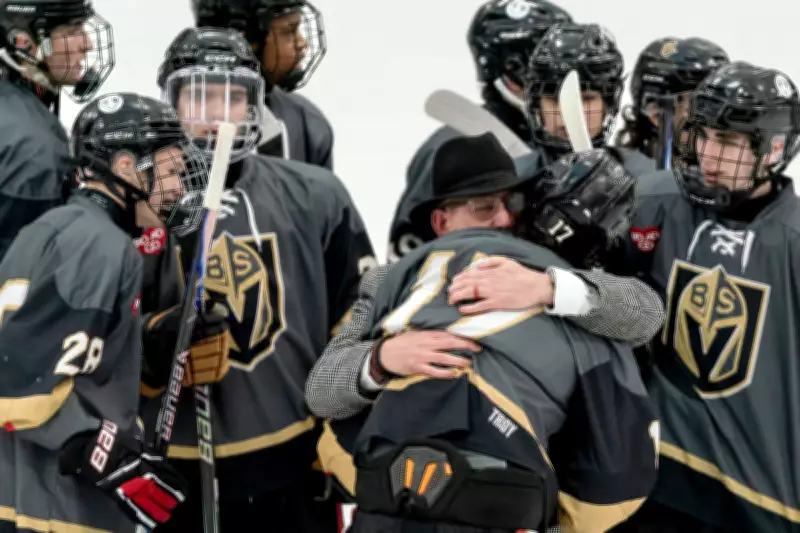
The shooting profoundly rattled the close-knit hockey community, leaving many to question whether and how the high school hockey season could possibly continue. Yet in the weeks since the incident, Dorgan has not only repeatedly laced up his skates as team captain but performed exceptionally well, leading his team to the championship. The team's remarkable success has garnered national attention, fueled most recently by Dorgan scoring the game-winning goal in double overtime during a playoff game earlier this month. That crucial victory paved the way for the final match against Lincoln High School.
"It's just a game for Lincoln High School and for everybody that's coming here, but for us who lived through that shooting? It's our lives. It's a tragedy we all went through and are still healing from it," Blackstone Valley Co-op head coach Chris Librizzi said, wiping away tears during an emotional interview.

Details of the Targeted Attack
Police have identified Robert Dorgan as the shooter who killed his ex-wife Rhonda Dorgan and their son Aidan Dorgan on February 16 in the stands of the ice rink located in Pawtucket. Authorities have confirmed that the shooting was a targeted attack. Colin Dorgan's grandfather, Gerald Dorgan, was also shot during the incident and later succumbed to his wounds, while two additional individuals sustained severe injuries.
The chaotic attack was ultimately halted after several bystanders rushed the shooter as the crowd fled in panic. Robert Dorgan, who police say also went by the names Roberta Esposito and Roberta Dorgano, ultimately died from an apparent self-inflicted gunshot wound at the scene.
Navigating Grief and Returning to the Ice
Librizzi, a retired firefighter with over three decades of coaching experience, grappled intensely with how to proceed in the aftermath of the tragedy. The team took a period of time off, and the coach ensured that all players participated in ten days of mandatory counseling sessions. He also gave each player the option of not returning to play, while encouraging anyone who made that choice to still show up on the bench or in the stands to support their teammates. Despite some initial hesitation, every single player decided to return—including Dorgan, who took the longest time to reach his decision.
"I sent Colin a text saying, 'Bud, playoffs are this Friday night, it’s your call,'" Librizzi recounted. "He didn't respond all day, but at about 9 o'clock at night, he sent me a text saying, 'Coach I'll see you tomorrow at practice.'"
The return process has not been without its challenges. Librizzi had to stop the first practice back multiple times due to players being visibly rattled and emotional. There have been tears shed by everyone from the coach to family members and even unconnected individuals following the team's journey from afar. Meanwhile, significant questions linger about what life will look like after the championship game concludes, regardless of its outcome.
An Outpouring of Support and Solidarity
Despite the immense grief, Librizzi expresses profound awe at his team's resilience and the overwhelming outpouring of support from the broader hockey community during this time of need. Friends volunteered to stitch hearts bearing the initials of the three deceased individuals onto the front of the team's jerseys, and many Rhode Islanders are displaying hockey sticks outside their homes as a powerful symbol of solidarity.
"We're all still struggling with it," Librizzi admitted. "We just need to be family with each other, we need to be supportive of each other moving forward and to heal from this."