Emma Hayes and Ian Wright Slam VAR Decisions in England-Uruguay Draw
Emma Hayes and Ian Wright expressed profound frustration and bewilderment over controversial refereeing decisions during England's 1-1 draw with Uruguay on Friday night. The high-profile pundits, speaking on ITV's coverage, lambasted what they described as glaring inconsistencies in the application of the Video Assistant Referee system, which they argued significantly impacted the match's outcome.
Late Penalty Decision Sparks Outrage
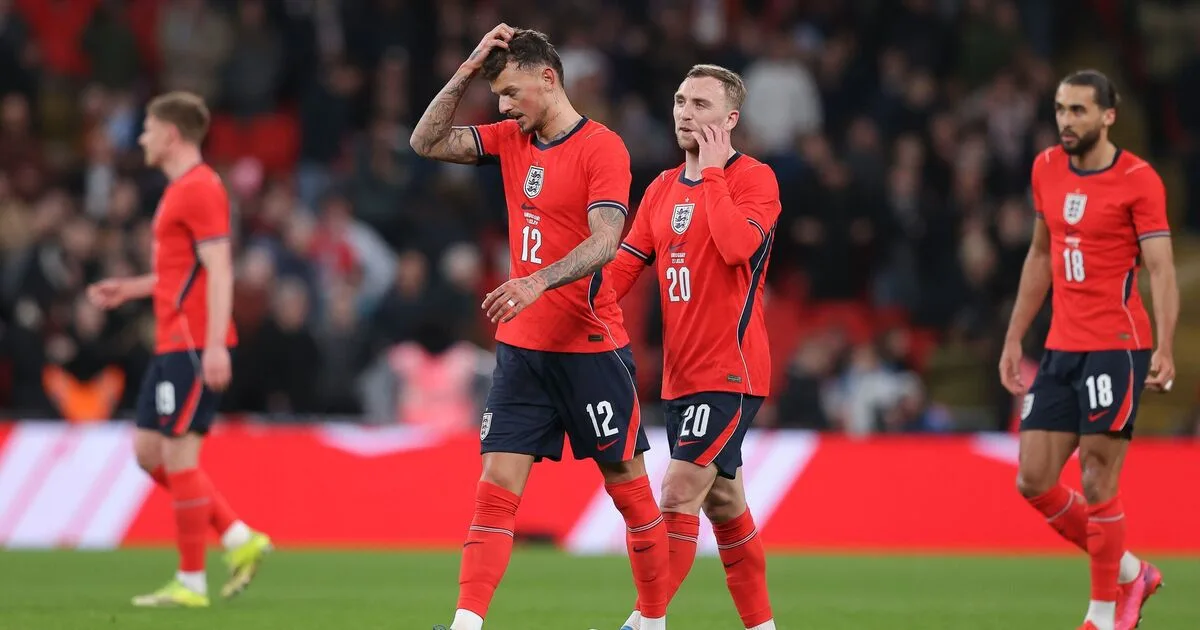
The match saw England take the lead in the second half through Ben White, who poked the ball home from a corner. This goal was initially reviewed by VAR, with officials judging a tussle in the build-up not to constitute a foul. However, the real controversy erupted deep into stoppage time when VAR intervened again. Ben White and Uruguay's Federico Vinas challenged for an aerial ball inside the England penalty area. Vinas made contact first, with White's follow-through clipping his opponent's foot, prompting the referee to award a penalty after a VAR check. Federico Valverde converted the spot-kick to secure a dramatic draw for Uruguay.
Emma Hayes was particularly vocal in her criticism of this decision. "What do you want him to do? If he doesn't put his foot out then it's an open chance on goal. They're both attempting to play the ball," she argued, emphasising the natural dynamics of such challenges.
Ian Wright echoed these sentiments, urging referees to recognise that incidental contact is an inherent part of football. "Players will go down for that. Ben White is trying to block that. He's not being malicious, not trying to stud him or anything, he's just trying to block it. They've got to see these things, the referees. It seems so logical to us when we watch it. You can't expect a defender to just leave it, he's got to try to block it, to do something," Wright stated passionately.
Missed Red Card Adds to VAR Controversy
The penalty incident was not the only moment that drew sharp criticism from the pundits. Earlier in the match, Uruguay's Ronald Araujo executed a dangerous tackle on England's Phil Foden, arriving late with studs up and landing on Foden's shin before putting weight on his ankle. The challenge forced Foden off the pitch with an injury, yet no red card was issued, despite VAR review.
Ian Wright expressed relief that the injury was not more severe but condemned the tackle's recklessness. "This is so close to being really bad for Phil. He's so out of control this fella [Araujo], he's so out of control," Wright remarked, highlighting the potential for serious harm.
Emma Hayes went further, explicitly labelling the tackle a clear red card offence and questioning the very purpose of VAR. "He could have broken [Foden's] leg. It was a clear red card. What's the point of having VAR? That's what I don't understand. If we're using it for penalty or corner situations but not for blatant red card moments. I don't understand. I think the strange thing about it is the inconsistencies around decisions," Hayes declared, pointing to a systemic issue in how technology is applied in critical match situations.
Broader Implications for Football Officiating
The post-match analysis underscored a growing concern among football experts regarding the consistency and effectiveness of VAR. The system, introduced to reduce errors and increase fairness, is increasingly criticised for subjective interpretations that lead to contentious outcomes. Hayes and Wright's comments reflect a broader debate within the sport about whether VAR is achieving its intended goals or introducing new layers of controversy.
Key points from their critique include:
- The perceived inconsistency in decision-making between different types of incidents.
- The challenge of distinguishing between natural football contact and foul play.
- The potential for VAR to overlook serious offences while focusing on marginal calls.
- The impact on players' safety and match integrity.
As football continues to integrate technology, the calls from figures like Hayes and Wright for greater clarity and consistency in officiating are likely to resonate with fans, players, and administrators alike. The England-Uruguay draw serves as a stark reminder of the ongoing tensions between technological assistance and the human elements of the game.