Ice and Identity: How Figure Skating Became a Sanctuary for LGBTQ+ Athletes
Figure Skating's Role as LGBTQ+ Safe Space Explained

Ice and Identity: How Figure Skating Became a Sanctuary for LGBTQ+ Athletes

For decades, the glittering world of figure skating has quietly provided a progressive sanctuary for members of the LGBTQ+ community. Amid often perilous social climates, the ice rink has emerged as a unique comfort zone where athletes can explore and express their authentic selves. This transformation represents a significant cultural shift within a sport once bound by rigid gender norms.

A Dual Celebration on the Ice

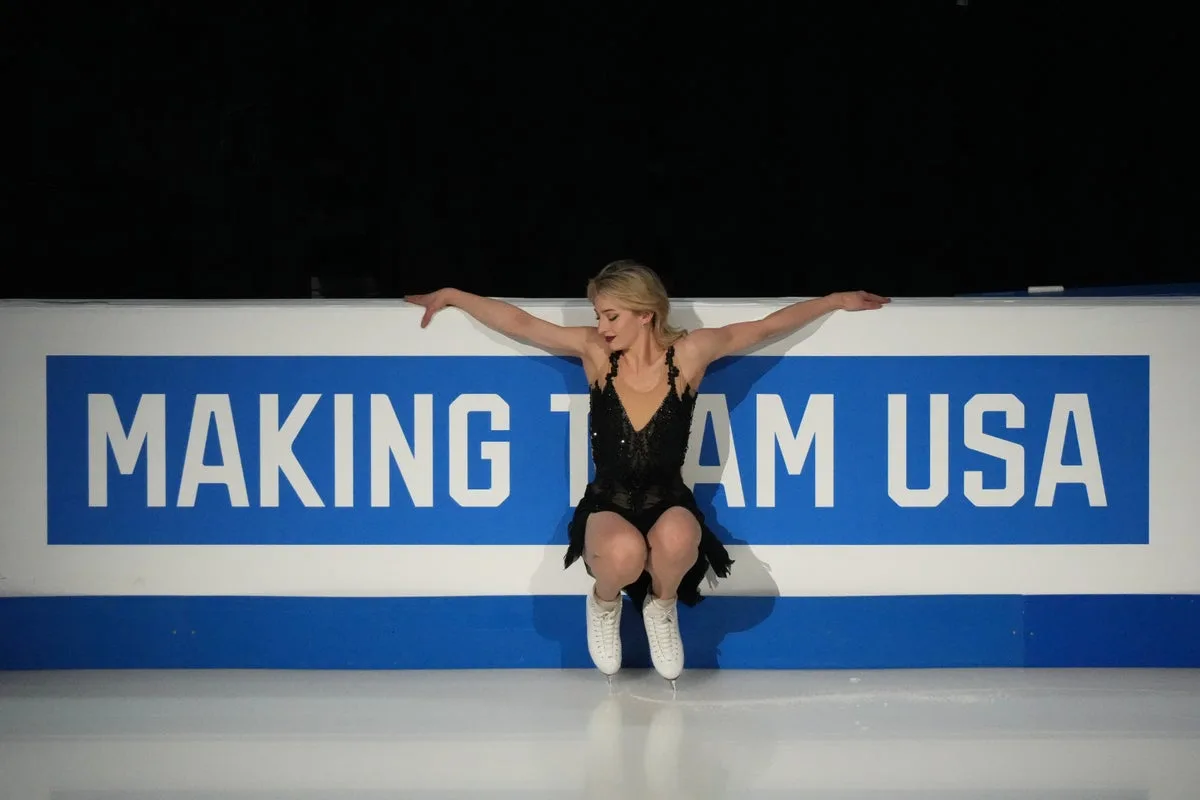
The moment Amber Glenn stepped onto the ice at the world championships, the arena transformed into a sea of American flags. From the lowest rows of TD Garden to the highest rafters, where Boston's sporting legends are honoured, patriotic symbols waved in support of the three-time reigning U.S. champion. As the daughter of a police officer and a proud native Texan, Glenn embodies traditional American values.

Yet the stars-and-stripes weren't the only banners flying high that evening. Scattered throughout the sellout crowd were equally conspicuous rainbow flags, symbols of LGBTQ+ pride that have represented the community for nearly fifty years. These colourful emblems began appearing at Glenn's competitions after she famously carried one across her shoulders celebrating her national championship victory.

"I saw them," Glenn acknowledged later, reflecting on the dual display of national and personal identity. "And I was proud to see both of those flags flying."

Personal Journeys in a Public Arena

Glenn, who identifies as pansexual, never sought to become an icon within the queer community. Her personal journey involved significant challenges, including a period in a mental health facility where she addressed depression, anxiety, and an eating disorder. She didn't publicly acknowledge her sexuality until it slipped out during an interview six years ago, prompting the horrified realisation that she hadn't yet told her Catholic grandmother.

Now 26, Glenn expresses profound gratitude for experiencing her self-discovery within figure skating's tight-knit world. "I'm so, so grateful that I grew up in skating," she explained. "As I ventured out to competitions outside Texas, I ended up seeing this community around me - top coaches and excellent skaters. It made me realise there are fans who would feel more connected seeing someone like them."

Historical Barriers and Breaking Through

This welcoming environment represents a dramatic evolution for figure skating, a sport where success depends on subjective judgment and where appearance, attitude, and mannerisms traditionally influenced scores. Throughout much of the twentieth century, female skaters faced pressure to present as hyper-feminine, while male counterparts were encouraged to emphasise traditional masculinity.

The landscape began shifting when Rudy Galindo came out in a book released shortly before his 1996 U.S. championship victory. His courage inspired subsequent generations, including three-time U.S. champion Johnny Weir, who credits Galindo with giving him confidence to publicly acknowledge his sexuality in 2011. Weir now serves as a lead analyst for NBC's Olympic coverage, representing another milestone in visibility.

Olympic Milestones and Representation

While LGBTQ+ athletes compete across numerous sports, figure skating stands out for their remarkable success on the world's biggest stages. The sport has produced multiple groundbreaking moments:

  • In 2018, Adam Rippon became the first openly gay man to make the U.S. Olympic team and the first to win a Winter Games medal, earning bronze in the team event
  • Four years later, Timothy LeDuc made history as the first non-binary Olympic athlete, competing in pairs at the Beijing Games
  • Former Olympic champion Brian Boitano came out while serving on the U.S. delegation to the 2014 Sochi Games, timed to protest Russia's anti-gay propaganda laws

LeDuc reflected on this progression: "I grew up in a very conservative environment. Sometimes just seeing someone like you in that community is what you need to feel comfortable in yourself. It was always figure skating where I found my community."

Navigating Contemporary Challenges

The political landscape continues to influence athletes' experiences. Glenn recalls watching the 2024 U.S. presidential election results while celebrating her first elite-level Grand Prix victory in France. "It was so disheartening," she admitted. "It made me feel even closer to the community around me, because we had to come together to try and protect ourselves."

This sense of solidarity motivates many skaters to use their platforms for advocacy. Two-time Olympian Jason Brown came out via Instagram five years ago specifically to support those who might feel uncomfortable - not just fellow skaters, but also coaches, choreographers, and fans.

"I hope I can leave the sport a little better for the next athlete," Brown explained. "There are so many people who want the LGBTQ+ community to feel safe, seen, and accepted. My biggest message is, 'Know how supported you are.'"

As figure skating continues to evolve, its role as both athletic discipline and cultural sanctuary remains particularly significant. The ice provides not just a competitive surface, but a space where identity and expression can flourish alongside athletic excellence.