World football's governing body, FIFA, has been forced to introduce a new, low-cost ticket category for the 2026 World Cup following a storm of criticism over what fans have labelled 'extortionate' and 'monumental betrayal' pricing. The new 'supporter entry' tier will see ticket prices capped at just $60 for every match, including the final.
A Small Concession for Loyal Fans
The announcement, made on Tuesday, comes as the current ticketing phase for the tournament, co-hosted by the United States, Mexico, and Canada, continues until 13 January. However, the concession is a limited one. The $60 tickets will form part of the 8% allocation given to each participating nation's football association for their matches.
Specifically, this new entry tier will comprise 10% of that 8% allotment, equating to a mere 0.8% of all available tickets for any given game. With the expanded 48-team tournament set to use vast stadiums, this translates to roughly 1,000 affordable tickets per match. FIFA stated that national associations, such as The FA in England, are 'requested to ensure that these tickets are specifically allocated to loyal fans', though no strict distribution mechanism was detailed.
Backlash Against Dynamic Pricing Model
The creation of this small fixed-price tier is a direct response to widespread anger over FIFA's primary ticketing strategy. While a $60 price floor was set for the cheapest group-stage tickets, the use of dynamic pricing—a common practice in North American sports and entertainment—has driven costs for many matches into the hundreds and even thousands of dollars.
Critics argue this model prioritises record revenue over fan accessibility. Football Supporters Europe condemned the approach, and New York City mayor-elect Zohran Mamdani called the prices an 'affront to the game', even launching a petition against them. FIFA has defended dynamic pricing as expected in the North American market and vital for funding its member associations.
High Demand and Ongoing Controversy
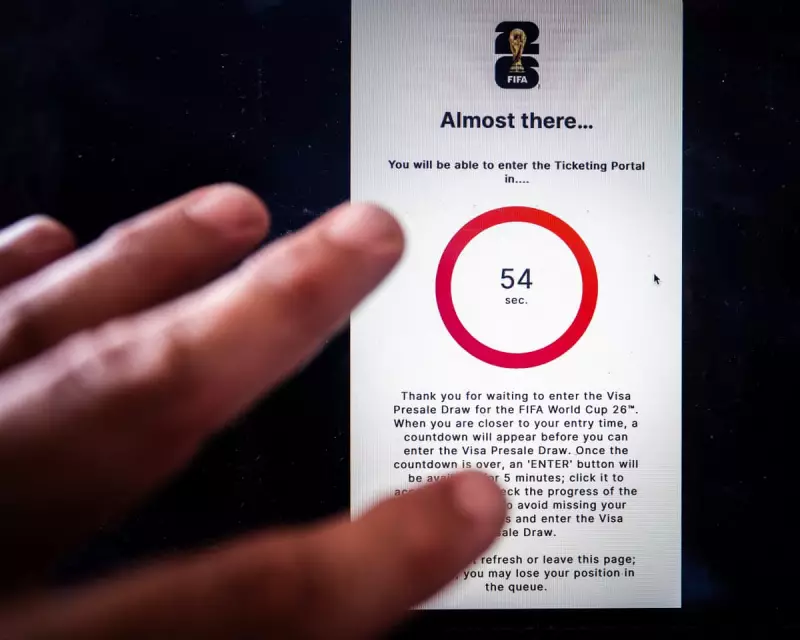
Despite the controversy, demand remains astronomically high. FIFA reported receiving over 20 million ticket requests, with 5 million coming in the first 24 hours of the sales phase that began on 11 December. This surge underscores the immense popularity of the event while highlighting the tension between commercial interests and fan inclusion.
The move to offer a sliver of affordably priced tickets is seen by many as a token gesture that fails to address the core complaint: that the beautiful game's biggest spectacle is becoming financially out of reach for the average supporter. The debate over the integrity and accessibility of World Cup football is set to continue long after this ticketing phase concludes in January.