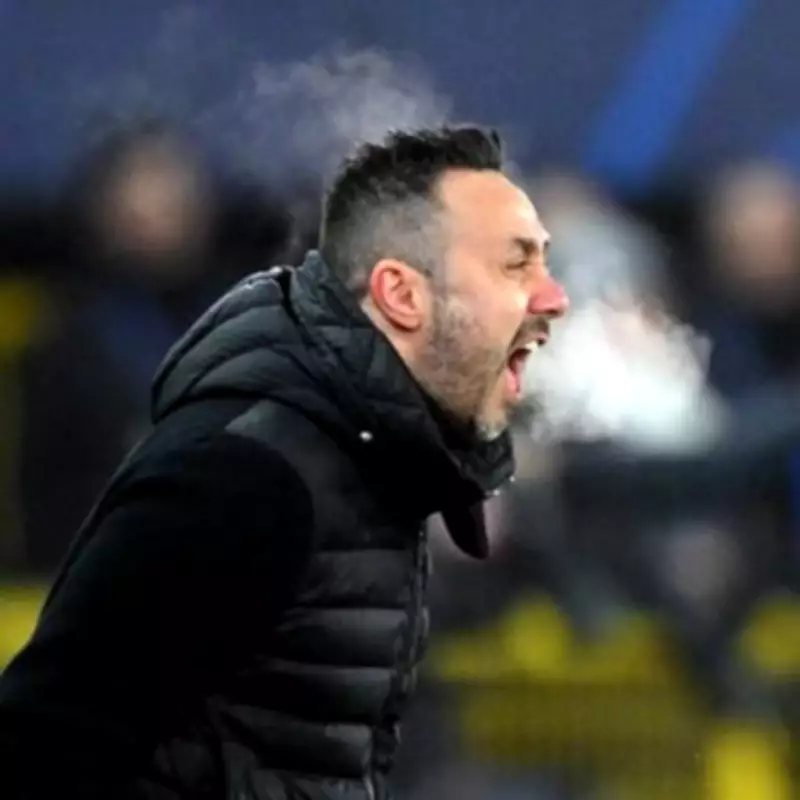
Roberto De Zerbi's Fiery Management Style Offers Tottenham Stark Contrast to Thomas Frank's 'Nice' Tenure
Roberto De Zerbi has already issued one public apology during his early days at Tottenham Hotspur, but supporters and pundits alike believe it must be his last. As the Italian manager prepares to navigate a critical seven-game relegation battle, his reputation for confrontation and intensity presents a dramatic departure from the approach of his predecessor, Thomas Frank.
The 'Nice' Era of Thomas Frank Comes to an End
Thomas Frank's managerial style at Tottenham was characterized by what many observers describe as excessive niceness. The Danish coach, who lasted just eight months at the helm, was known for his gentlemanly demeanor and even had padel courts constructed at the club's training ground—a move that reportedly drew wry smiles from some players.
Frank's persona was perhaps best exemplified during a BBC interview conducted at Gary Lineker's Barnes home, where the pair shared an elegant lunch featuring crab starter and sole meunière, accompanied by what was likely a fine Chablis or Puligny-Montrachet. While there's nothing inherently wrong with such refinement, it created an atmosphere that ultimately proved insufficient for motivating Tottenham's underperforming squad.

With Tottenham now facing the genuine threat of relegation, the club requires a different type of leadership entirely. De Zerbi arrives with a reputation for being anything but nice—a quality that might prove exactly what Spurs need during this precarious period.
De Zerbi's History of Confrontation and Conflict
The Italian manager has established a track record of falling out with players and officials throughout his career. During his time at Brighton, he had notable disagreements with forward Leandro Trossard, and similar conflicts emerged during his subsequent stint at Marseille, where he also clashed with French media representatives.
Even before his Tottenham appointment, De Zerbi had public differences with the Brighton board, demonstrating a willingness to challenge authority when he believes it necessary. This combative approach stands in stark contrast to Frank's more conciliatory management style.
A Single Apology and Then No MoreDe Zerbi's Tottenham tenure began somewhat awkwardly with an apology for comments he made regarding former player Mason Greenwood. However, most observers anticipate this will be the only apology Spurs supporters hear from their new manager. The club's current predicament demands firm leadership rather than polite concessions.
What Tottenham Really Needs: Fire Instead of Friendliness
Following Frank's pleasant but ultimately ineffective reign and Igor Tudor's brief, unremarkable interim period, Tottenham requires a manager who can inject passion and urgency into the squad. De Zerbi's high-octane coaching philosophy promises exactly that kind of transformative energy.
The Italian's approach centers on accountability and consequences—players will understand that poor attitudes and subpar performances won't be tolerated. This psychological shift could prove crucial as Tottenham battles to maintain their Premier League status.
Long-Term Prospects Despite Immediate ChallengesInterestingly, De Zerbi is contracted to remain at Tottenham regardless of whether the club avoids relegation this season. This commitment suggests the board recognizes the need for fundamental change beyond immediate results. While some question whether the fiery manager can last five years given his confrontational tendencies, his appointment represents a calculated gamble on intensity over amiability.
As Tottenham enters their most critical period in recent memory, the contrast between Frank's padel courts and De Zerbi's confrontational style couldn't be more pronounced. The club has chosen fire over friendliness, and the coming weeks will reveal whether this dramatic managerial shift can paddle them away from relegation waters.