Football's global governing body is set to introduce significant new powers for Video Assistant Referees at the next World Cup, with the system being used to adjudicate on potential second yellow cards and the awarding of corner kicks.
No Room for Tournament-Defining Mistakes
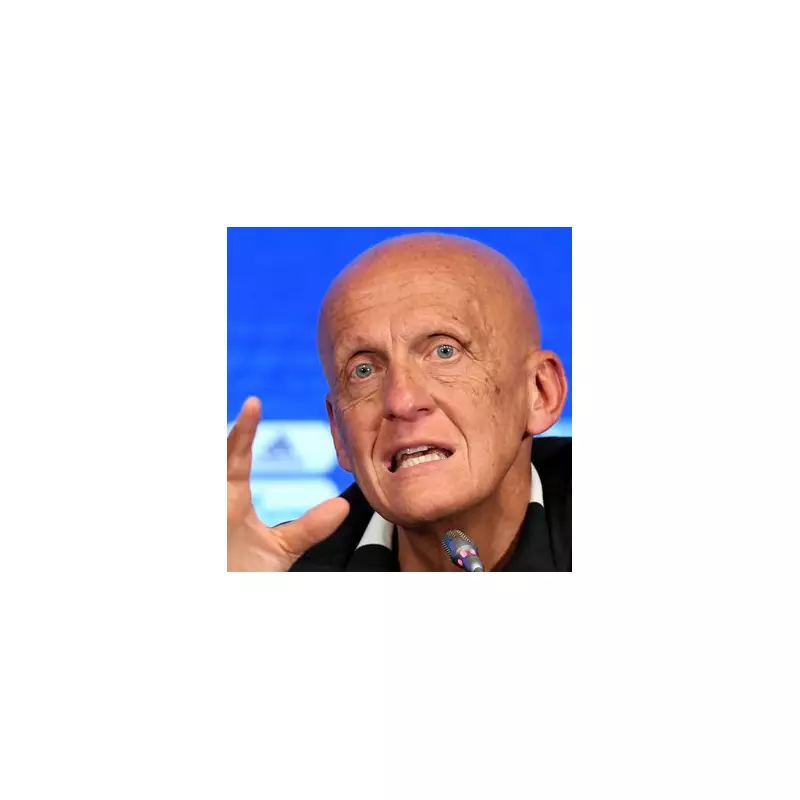
Pierluigi Collina, the legendary former official who now heads FIFA's refereeing department, confirmed the planned expansion of VAR's remit for the 2026 tournament. The driving principle behind the change is to prevent a major competition from being decided by an incorrect on-field call.
Collina emphasised that a wrong decision on a sending-off, or a corner that incorrectly leads to a decisive goal, could ruin the entire World Cup. He stated that this rationale is what convinced football authorities over a decade ago to begin exploring technological support for match officials.

The "No Delay" Promise and the Corner Kick Logic
A cornerstone of the new approach is a firm commitment from FIFA to avoid any further delays to matches. Collina explained that the review of corner awards fits naturally into the existing flow of the game.
"With corners, there is a physiological delay because when a corner is given, normally you wait until the two centre-backs come up," Collina said. "It normally takes 10-15 seconds. In these 10-15 seconds, if the corner kick is wrongly given... why we have to hide our heads under the sand?"
He argued it is difficult to justify not correcting a clear error when the technology is available and the natural pause in play allows for a check without interrupting the match's rhythm.
Tackling Time-Wasting with a New Rule
Collina also revealed that FIFA is actively trialling a new measure to combat time-wasting, which aligns with the overarching goal of minimising stoppages. The initiative was tested during the Arab Cup.
The experimental rule states that a player who goes down injured and requires treatment must then wait off the pitch for two minutes before being allowed to re-enter the game. Collina reported positive early results, noting, "We have seen no incidents in eight matches and that means it works."
The former World Cup final referee reiterated that the ultimate objective for all stakeholders should be to ensure correct decisions are made on the field. He expressed a strong desire for tournament results to be determined solely by the actions of the players, not by officiating errors.