The Cheltenham Festival has been struck by tragedy on its opening day, with the horse Hansard dying after competing in the Arkle Novices' Chase. The incident has cast a sombre shadow over the prestigious event, prompting a heartfelt statement from organisers and reigniting discussions about safety in the sport.
A Heartbreaking Loss at the Festival
Hansard, a participant in the day one feature race, the Arkle Novices' Chase, succumbed to injuries sustained during the event. This devastating occurrence underscores the inherent risks involved in horse racing, a reality acknowledged by all within the industry.
The Jockey Club's Commitment to Safety
The Jockey Club, which owns 15 UK racecourses and organises both the Cheltenham and Aintree Festivals, emphasised its relentless efforts to minimise these dangers. A spokesperson stated that the organisation works tirelessly to implement continuous improvements aimed at protecting equine athletes.

Since the year 2000, the British racing industry has invested over £63 million in equine welfare initiatives. This substantial funding supports advancements in veterinary science, comprehensive education programmes, and critical research projects dedicated to enhancing horse safety and wellbeing.
Tangible Results from Welfare Investments
British racing operates under the guidance of an independently-chaired Horse Welfare Board. Its long-term strategic plan, titled 'A Life Well Lived', is already demonstrating positive outcomes. Notably, the rate of fallers in horse races has declined consistently for each of the last 21 years, now standing at just 1.98% of all runners.
Furthermore, the fatal injury rate recorded in 2025 was a mere 0.22% out of 86,300 runners. These statistics reflect a concerted drive towards safer racing conditions, backed by evidence-based modifications.
Specific Safety Enhancements Implemented
The industry has introduced several key changes based on rigorous research. Following a study by Exeter University into equine vision, jump markers on all racecourses were switched from orange to white to improve visibility for horses.
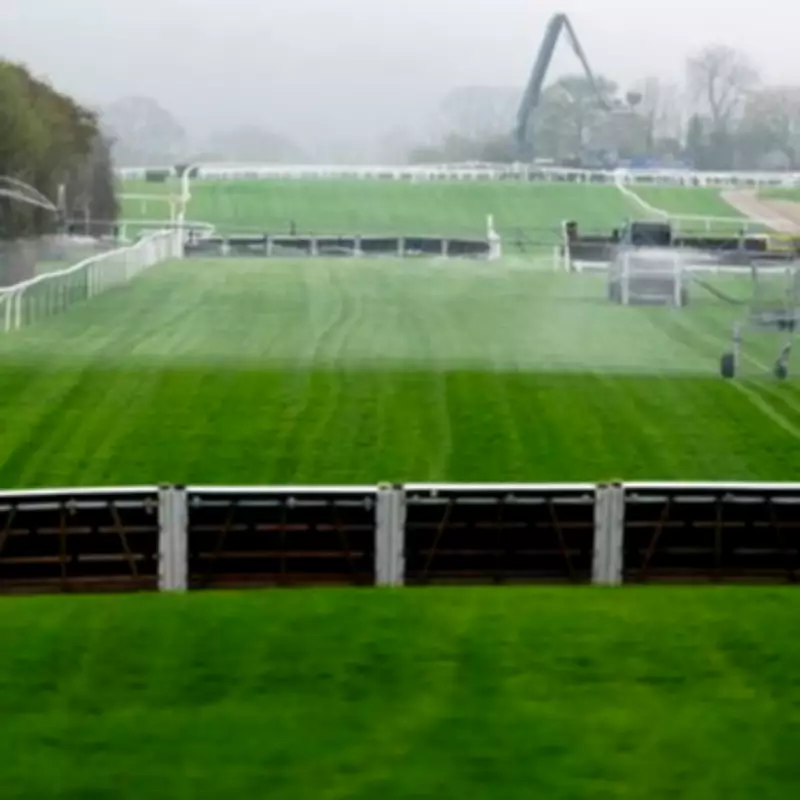
Additionally, the adoption of padded hurdles was implemented after data analysis indicated this change would reduce fallers by an estimated 11%. A formalised review process is now mandatory within 48 hours of any fatality occurring on a racecourse, ensuring thorough investigation and learning.
Collaboration with Welfare Organisations
The racing industry maintains regular consultation with established animal welfare groups, including World Horse Welfare, the RSPCA, and Blue Cross. This collaboration is designed to ensure that the sport continually meets and exceeds the highest possible standards of horse care and protection.
Public engagement also plays a vital role. Over 80% of people report that their perceptions of horse welfare improve after visiting studs, training yards, and aftercare centres. National Racehorse Week, scheduled from August 22nd to 31st this year, will offer 65,000 free places for such educational visits.
The Popularity of British Horse Racing
Despite the risks, horse racing remains immensely popular in the United Kingdom. With five million attendees in 2025, it stands as the second-most attended sport in the country, trailing only football. The Cheltenham Festival itself is a cornerstone of the sporting calendar, drawing vast crowds and significant media attention.
The death of Hansard is a stark reminder of the challenges faced by the sport. As the community mourns this loss, the focus on welfare, safety innovation, and transparent dialogue continues to be paramount for the future of horse racing in Britain.