A recent study has ignited a heated debate among sports enthusiasts by highlighting the significant amount of time spent not actively playing in various sports, with American football taking the lead. The analysis, which examined major sports globally, found that American football games often feature more downtime than actual gameplay, raising questions about pacing and viewer engagement.
The Standout Case of American Football
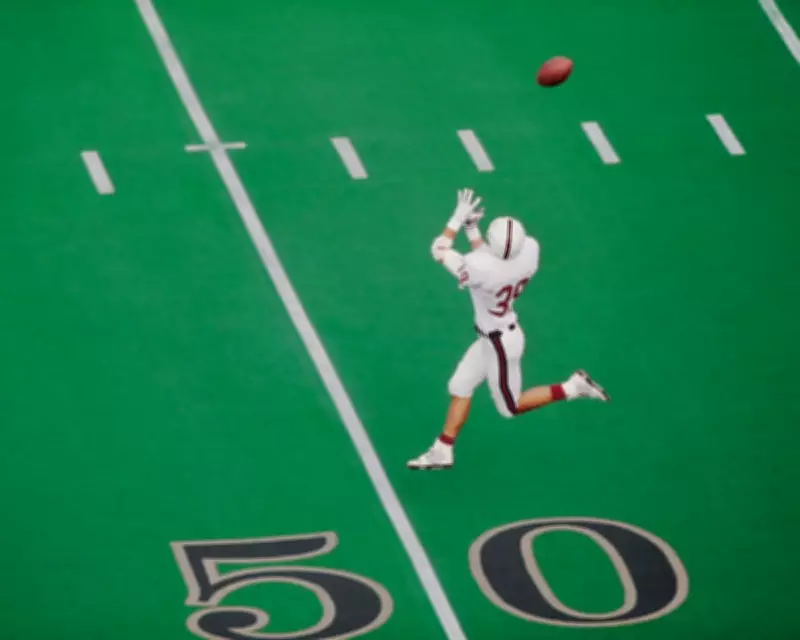
In American football, it is estimated that only about 11 minutes of a typical three-hour broadcast involve live action, with the rest consumed by timeouts, commercial breaks, and strategic huddles. This stark contrast between playing and non-playing time has led critics to label it as a sport where fans spend most of their time waiting rather than watching.
Comparing Other High-Downtime Sports
While American football tops the list, other sports also exhibit substantial periods of inactivity. Rugby, for instance, has frequent stoppages for scrums, lineouts, and injuries, though it generally maintains a faster pace than American football. Cricket, particularly in its Test format, can span days with long intervals between deliveries and sessions, though limited-overs versions like T20 have reduced this downtime.

Baseball is another notable example, with games often lasting over three hours despite relatively short periods of active play, due to pitcher changes, mound visits, and commercial breaks. In contrast, sports like soccer and basketball are praised for their continuous flow, with minimal interruptions and higher percentages of live action.
Implications for Fans and Broadcasters
The findings have sparked discussions about how downtime affects the viewing experience. Some argue that strategic pauses add depth and tension to sports like American football and cricket, while others contend they lead to boredom and declining audience numbers. Broadcasters are increasingly experimenting with faster-paced formats and reduced ad breaks to retain viewers in an era of shrinking attention spans.
As sports evolve, the balance between tradition and modern entertainment demands remains a key challenge, with American football's pacing problem serving as a focal point for broader conversations in the athletic world.