May Day Rallies Planned Worldwide Amid Economic and Geopolitical Tensions
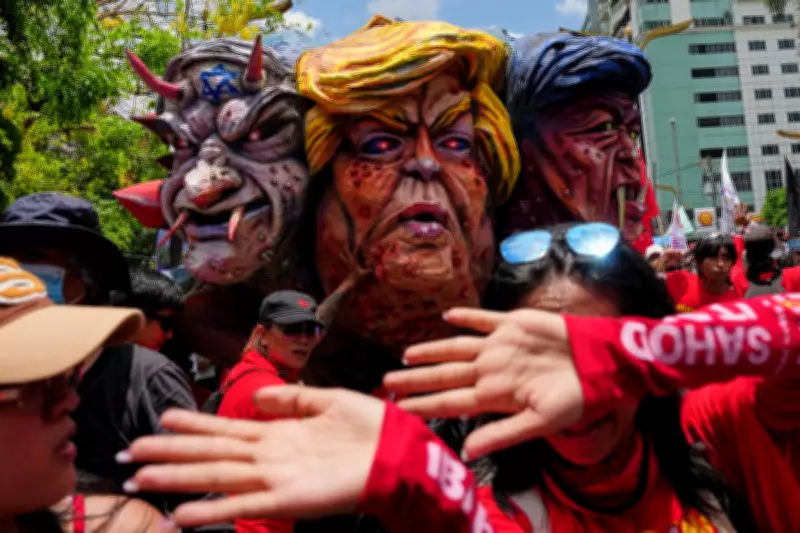
May Day rallies are scheduled around the globe on Friday, with activists calling for peace, higher wages, and improved working conditions. The demonstrations are driven by growing concerns over rising energy costs and diminished purchasing power, linked to the ongoing Middle East conflict. The European Trade Union Confederation has criticised Donald Trump's actions in the region, stating that workers refuse to pay the price for geopolitical instability. Protests are anticipated across Europe, Asia, and the United States.
United States: Economic Blackout and Policy Protests
In the United States, activists are planning marches and boycotts to protest Donald Trump’s policies. They are advocating for an 'economic blackout' and demanding wealth taxation, as well as an end to immigration crackdowns. The demonstrations reflect broader dissatisfaction with current economic and social policies.
Asia: Wage Demands and Inflation Woes
Economic pressures are a key theme across Asia. In the Philippines, there are calls for increased wages due to fuel price hikes, while warnings of worsening conditions have been issued in Indonesia. In Pakistan, high inflation continues to affect daily wage earners, prompting labour groups to join the May Day protests.

Europe: Labour Reforms and Debates
European nations are also seeing labour-related actions. France is debating its mandatory May Day public holiday, with some arguing for its abolition. Italy has introduced new job incentives aimed at boosting employment. In Portugal, ongoing negotiations regarding proposed labour law changes are drawing attention from workers and unions alike.
Overall, the May Day demonstrations highlight a global wave of discontent over economic hardships and geopolitical tensions, with workers demanding better conditions and a fairer distribution of wealth.