With six months until kick-off, the 2026 FIFA World Cup is already generating headlines focused on staggering statistics. The tournament, set to be hosted across the United States, Canada, and Mexico, will break new ground with more teams, more matches, and a longer duration than any previous edition. Sports Illustrated has even suggested it could become the most-watched sporting event in history.
A Legacy Built on Numbers
For FIFA and its president, Gianni Infantino, these colossal figures represent a clear path to legacy. Infantino, who champions expansion as his signature policy, believes that shattering records is the surest way to cement his name in football history. The upcoming tournament, following 22 previous incarnations, will push traditional boundaries to the limit.
The draw in Washington this week mapped the initial route for the 48 competing nations. The event will sprawl across 16 venues and last for five weeks, a significant increase from the 64 games played over a single month in Qatar 2022. The 2026 edition will feature a mammoth 104 matches, demanding unprecedented physical and logistical efforts from players, especially given the vast travel distances and varying climatic conditions.
Compromises and Controversies
While Infantino is thrilled by the scale, significant concerns linger about the impact on sporting quality and integrity. The English FA, led by head coach Thomas Tuchel, is already braced for a tournament where high-level football may be scarce. They anticipate a competition defined by 'big but isolated moments' rather than sustained excellence, blaming a punishing schedule and climate.
FIFA has taken steps seemingly designed to protect its star assets. The decision to suspend Cristiano Ronaldo for just one match after a red card for violent conduct—rather than an expected three—raised eyebrows. With the ban already served, the global icon will be available for Portugal's opening game, a move critics see as prioritising television appeal over sporting fairness.
Further controversy stems from the knockout stage seeding, engineered to prevent top-ranked teams from meeting until the semi-finals. As the world's fourth-ranked team, this likely benefits England, potentially shielding them from giants like Spain, Argentina, or France until the latter stages. This manufactured path to a dream final, perhaps featuring Lionel Messi against Jude Bellingham, sacrifices the traditional jeopardy and unpredictability that define great tournaments.
The Practical Challenges of 'More'
The expanded format itself threatens to dilute the early-stage competition. With 12 groups of four, the system will see the top two from each group progress, joined by eight best third-placed teams. This creates a high probability of dead-rubber matches where a draw suits both sides, hardly a recipe for thrilling football.
While debutants like Curacao (population 156,000), Jordan, and Cape Verde add romanticism, they also highlight the widening gulf in quality. For travelling supporters, the event presents a daunting prospect: exorbitant costs, complex air travel between venues, and ticket prices subject to surge pricing, making it potentially the most expensive World Cup ever.
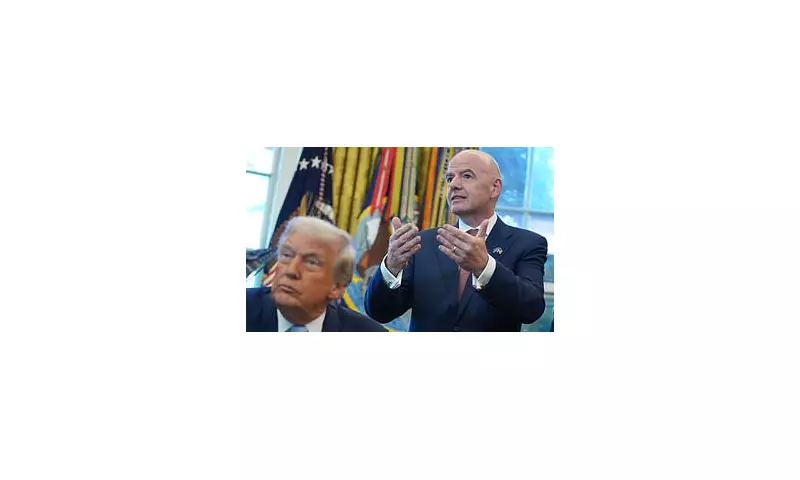
FIFA's alignment with a philosophy of 'bigger is better' was underscored by the presence of Donald Trump at the Washington draw. The organisation appears focused on the ringing of the till, paying lip service to sustainability while planning a carbon-intensive spectacle. Ultimately, the success of this grand experiment rests on the shoulders of the players. The world will be watching to see if the football itself can justify the unprecedented scale.