Controversial DRS Call Ends Smith's Innings in Ashes Drama
A contentious Decision Review System (DRS) call against Jamie Smith became the flashpoint on a thrilling second day of the first Ashes Test at the Gabba. The dismissal, which came during England's dramatic second-innings collapse, left fans and pundits debating the finer points of the technology long after the day's play concluded.
England's Momentum Shattered in Dramatic Session
England had started the day confidently, building on their first-day momentum. They quickly dismissed Australian tail-ender Nathan Lyon and navigated the morning session to establish a lead of 99 runs. However, the match turned on its head after lunch. A devastating bowling spell from Scott Boland, ably supported by Mitchell Starc, triggered a spectacular English batting collapse. In a stunning passage of play lasting just 19 deliveries, the tourists lost four key wickets for a mere 11 runs. The procession saw Ben Duckett, Ollie Pope, Harry Brook, and Joe Root all return to the pavilion. The collapse was cemented when Starc claimed the wicket of captain Ben Stokes, leaving England in deep trouble.
The Five-Minute Review That Divided Opinion
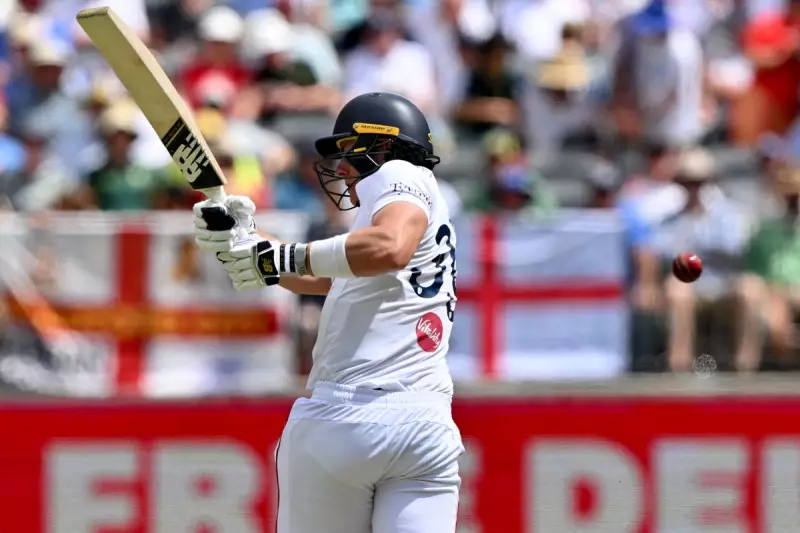
With the innings in tatters, Jamie Smith remained as the last recognised batsman. His resistance was cut short in controversial fashion when he faced a short ball from Brendan Doggett. Attempting to guide the ball away on the leg side, Smith prompted a furious appeal from fielder Travis Head at short leg. The on-field umpire initially gave it not out, but Australia opted to review. What followed was an extensive five-minute consultation by the third umpire, who scrutinised multiple technologies including Snicko, video replay, and enhanced pictures. Replays shown to viewers appeared to show a clear gap between bat and ball at the precise moment Snicko registered a noise, leading many England supporters and commentators to believe the decision would stand as not out. Despite this visual evidence, the third umpire determined that the faint murmur on Snicko was sufficient to overturn the on-field call and give Smith out.

According to TNT Sports pundit Steven Finn, the Snicko technology used in the series differs slightly from the Ultra Edge system familiar to English audiences. This version allows for a one-frame discrepancy between images and sound, which explains why the replays seemed out of sync with the audio evidence the third umpire relied upon. The incident bore a resemblance to one in Australia's first innings, though on that occasion, batsman Marnus Labuschagne was judged not out after a review.
Smith's dismissal was one of nine English wickets to fall in a disastrous afternoon session. The tourists were eventually bowled out for 164, setting Australia a target of 205 runs to win the first Test. The controversial decision and the subsequent collapse have set the stage for a tense conclusion to the match, with the DRS debate certain to continue throughout the series.