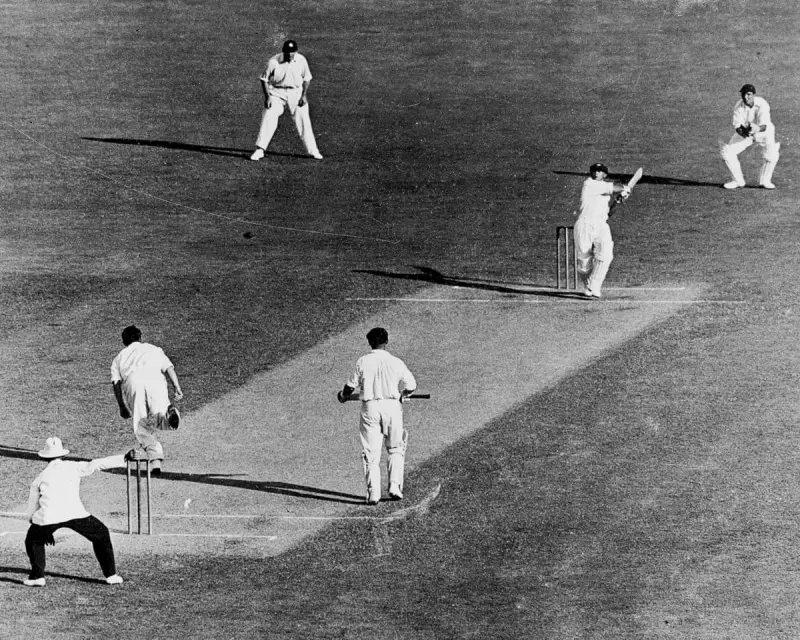
As England's cricketers stare down a 2-0 deficit in the current Ashes series, history offers a stark reminder of the monumental task ahead. Only one side has ever clawed back from such a position to lift the urn: Don Bradman's Australia in the 1936-37 series, a comeback orchestrated by one of the game's true greats.
The Stage is Set: A Tour of Peace
The 1936-37 Ashes tour was England's first visit to Australia since the infamous Bodyline series. Dubbed a "tour of peace," it was led by the establishment figure Gubby Allen. The controversial Douglas Jardine had retired, and while Harold Larwood was absent after refusing to apologise for Bodyline, his bowling partner Bill Voce was persuaded to tour.
England, boasting players like Wally Hammond and Hedley Verity, started superbly. They won the first two Tests, placing Bradman, the Australian captain, under immense pressure. His form had dipped, with scores of 38, 0, 0, and 82. The scrutiny was intense, but the context was tragic: Bradman's first-born son had died just six weeks before the series began.

The Pivotal Melbourne Gambit
The series turned during the third Test at the Melbourne Cricket Ground. Rain created a treacherous 'sticky dog' pitch. In a masterstroke of gamesmanship, Bradman declared Australia's first innings at 200 for nine. He then employed delaying tactics, instructing his bowlers to send down wides and moving fielders to the boundary to waste time, desperately avoiding batting again on the difficult surface.
England captain Gubby Allen, refusing to gamble, batted on until his side were 76 for nine. Bradman then feigned ignorance of Allen's declaration, sending umpires to confirm it and burning more precious minutes. Australia's tail-enders faced just 18 balls before bad light ended play. Thirteen wickets had fallen in three hours, setting the stage for Bradman's defining act.
Bradman's Immortal Innings
When play resumed, over 87,000 spectators packed the MCG. Bradman walked to the crease with Australia leading by 221. He proceeded to play what Wisden would later declare the greatest innings of all time: a monumental 270. In a seven-and-a-half-hour marathon, he and Jack Fingleton put on a world-record 346 for the sixth wicket. England were set an impossible 689 to win and were soundly beaten.
Bradman's tactical genius had broken English resolve. A deflated Allen wrote home criticising his own "rotten" team. The Don was not finished. He scored 212 in Adelaide to level the series, and a commanding 169 in the final Test at Melbourne sealed an innings victory and a historic 3-2 series win.
Neville Cardus, the famed journalist covering the tour, summed up England's failure as one "of character as much as of technique." Bradman never lost a Test series as captain. His 1936-37 campaign remains the ultimate Ashes fightback, a benchmark of leadership and sheer will that modern England teams can only look upon with awe.
Modern Echoes: A Jersey Bright Spot
In a contemporary footnote, the article highlights a rare positive for English batting this winter. Beyond Joe Root, Asa Tribe of Jersey is noted as one of the few English batters to score a century against Australian opposition. Tribe, who plays for Glamorgan, impressed for the England Lions in Australia, including a score of 129 not out.
His brother, Zak, also found success, captaining the Jersey club Farmers to victory in the 2024 European Cricket League final in Málaga, Spain—a reminder of the game's enduring and far-reaching appeal.