
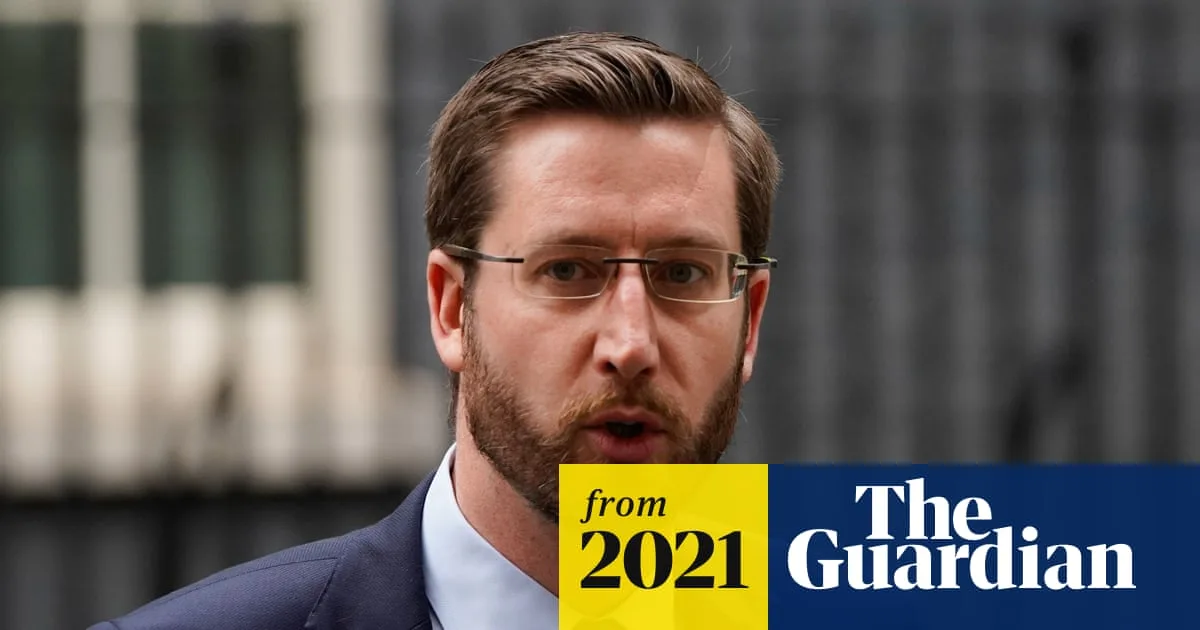
The UK cabinet secretary, Simon Case, has instructed civil servants to urgently disclose any conflicts of interest by Friday, citing 'acute concern' after it emerged a senior official worked for Greensill while in government. The directive came as Conservative MPs voted to block a broader inquiry into the lobbying scandal surrounding the financial services firm.
Case met department heads on Wednesday, where there was widespread anger about the revelation that Bill Crothers worked as an adviser to Greensill in 2015 while employed as a civil servant. In a follow-up letter, Case ordered permanent secretaries to uncover all outside interests from senior officials and ensure they were declared and examined. 'Serious issues have come to light which are of acute concern for us as the senior leadership team of the civil service,' he wrote.
Case stressed the importance of bringing outside expertise into government but said it must be done in a way that maintains the integrity and impartiality of the civil service, with transparency and proper management of any outside interests. One Whitehall source said department heads were 'very, very unhappy' about Crothers' dual role and that there was 'strong pushback' against the argument that this was not uncommon.
Dave Penman, general secretary of the FDA union representing top civil servants, called the letter a deflection to protect ministers, questioning whether similar vigour would be applied to ministers' contacts with lobbyists. The government has announced a review led by corporate lawyer Nigel Boardman, but Labour condemned it as too limited and said Boardman was too close to government.
Labour used an opposition day debate to push for a cross-party committee to investigate Greensill and lobbying, but Conservative MPs voted it down 357-262. However, two committees of MPs announced their own inquiries: the Commons public administration and constitutional affairs committee, and the Treasury select committee, which reversed its earlier decision not to launch an official inquiry.




