
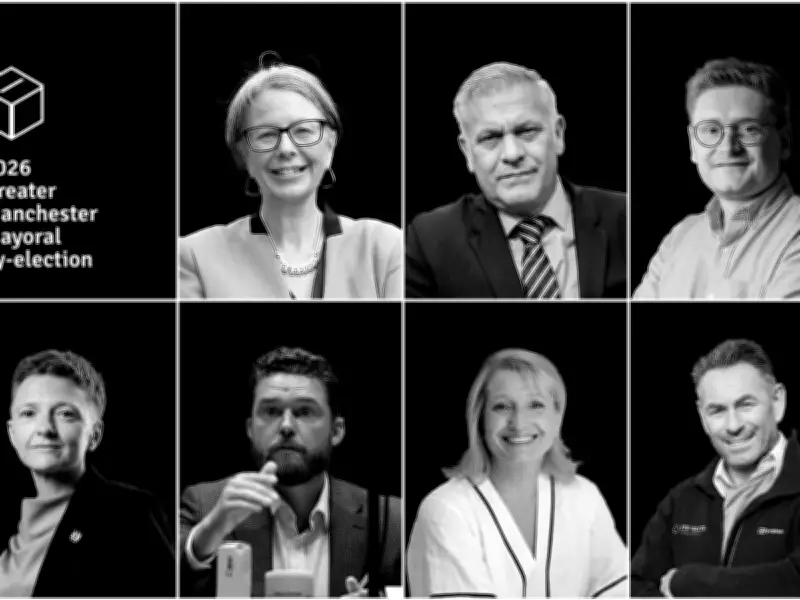
Greater Manchester politics is on the cusp of a new era after Andy Burnham departed for Westminster - and ultimately 10 Downing Street. In three weeks, one of seven hopefuls will have replaced him as metro mayor, taking control of a £3 billion annual budget and powers over transport, housing, education and health.
It’s a huge job - and the winner of this month’s Greater Manchester mayoral by-election will have the ability to help shape the lives of millions of people across the region.
In the interests of keeping voters informed about the policies and values of the candidates ahead of polling day on July 30, the Manchester Evening News has put the same five questions to all of them. They were asked about their priorities as mayor, how they’d fix Greater Manchester’s transport system and its growing housing crisis, as well as how they’d ensure Manchester’s wealth is felt outside the city.
Number One Priority
Sian Astley (Reform UK) said her top priority is fairness, spreading wealth across the region. She noted that since the 2017 devolution settlement, Central Manchester has grown at triple the rate of the rest of Greater Manchester. Geraldine Coggins (Green Party) pledged to make everyday life more affordable, delivering 20,000 high-quality homes cheap to rent and run, and demanding Westminster bring in rent controls – something she says would save renters £2,400 each year and the Treasury £2 billion annually in housing benefit costs.
Bev Craig (Labour and Co-operative Party) set a test: every decision she takes will be guided by whether it makes residents better off. She pledged to extend the £2 fare cap on Bee Network buses, free bus passes for all 11-18-year-olds, saving families with two kids £20 per week, and keep free all-day passes for disabled passengers. Phil Eckersley (Conservative) said his first priority would be to open the books and restore trust, publishing clear information on mayoral spending, debt, contracts, grants and performance.
Marcus Farmer (Independent) focused on young people under 30, citing an anxiety and confidence crisis due to student debt, lack of jobs and no chance of buying a house. Richard Kilpatrick (Liberal Democrat) said the region needs to be made affordable again, focusing on childcare, housing and social care costs. He proposed using developer contributions and GMCA finance powers to create a cooperative housing model. Marlon West (Restore Britain) prioritised accountability, vowing to use Police and Crime Commissioner powers to hold the Chief Constable to account and implement the independent Rape Gang Inquiry recommendations.
Economic Growth Beyond the City Centre
Astley noted that while Central Manchester represents only 4% of the region’s population, under Labour it has received over 60% of funding for new housing. She would mandate a new formula to split regeneration spending proportionately. Coggins said the boom in unaffordable flats has pushed up rents and left people feeling left behind; she plans to build 10,000 genuinely affordable publicly-owned homes and refurbish 10,000 more.
Craig pointed to the Good Growth Fund set up with Andy Burnham to get growth in every borough. She would invest in high streets funded by city centre growth, protect small businesses and tackle high street eyesores. Eckersley highlighted that Bolton, Wigan and Stockport still lack Metrolink despite residents contributing through the Mayor’s tax. He wants growth to reach every part through better transport links and brownfield regeneration.
Farmer proposed turning brownfield sites into warehouses for small businesses, with a five-year business rate holiday for under-30s and a 50% reduction in business rates overall. Kilpatrick would expand Mayoral Development Corporations with local residents and business representatives on boards, aiming to make Greater Manchester the home of green jobs and AI infrastructure. West criticised that £44 million went to a single office redevelopment on Deansgate while Wigan's entire new homes allocation was £14 million. He would put the skills and apprenticeship budget into training people for jobs in their own borough.
Transport System Challenges
Astley said everyone loves the buses but Labour's net zero obsession means motorists are under attack. She would reverse net zero measures, fix potholes and pledge never to introduce new charges on motorists. Coggins would introduce the Bee Orbit – a network of high-frequency express orbital bus routes linking towns, make bus travel free for under-22s, extend Metrolink and work towards integrated ticketing.
Craig is proud of the Bee Network and wants to freeze fares, keep the £2 bus cap, free buses for 11-18s, expand the tram north and south, bring trains into public control, and improve roads without a congestion charge. Eckersley said Metrolink still does not reach Bolton, Wigan or Stockport, and bus services remain patchy in rural areas. He would focus on orbital connections, reliable buses and safer public transport, opposing any congestion charge.
Farmer believes the tram system is too expensive and should be no more than £2 a day. He proposed a £500 family oyster pass and suggested an underground system to relieve gridlock. Kilpatrick said the Bee Network should be free within a decade, leveraging a tourist tax, business rates and localisation of stamp duty receipts. He would make it free for schools, young people and NHS and care workers, and extend Metrolink to Stockport. West said the Bee Network is unreliable, with more than half its running costs covered by taxpayers. He would publish performance data monthly and hold TfGM leadership accountable, pushing for rail integration and investment across all ten boroughs.
Housing Crisis
Astley criticised the Greater Manchester Housing Fund for pouring taxpayer cash into luxury developments, with only 500 of 11,000 properties built being affordable. She would conduct a comprehensive review of social homes and audit brownfield sites before any greenbelt loss. Coggins said Labour’s pledge to build 50,000 homes is not realistic; over ten years they gave nearly a billion pounds to developers to build around 11,000 homes, only 5% affordable. She would deliver 20,000 homes through a new initiative called Homes for Greater Manchester.
Craig stressed the housing crisis is personal, having grown up in council housing. Last year Manchester built more council and genuinely affordable homes than in 25 years. She would build 50,000 new council and genuinely affordable homes in every borough on brownfield first, expand A Bed Every Night, and not rest until every resident has a good home. Eckersley favours a brownfield-first approach, using unused urban land and regenerating town centres with proper access to transport, schools and GP services. He would work with councils and housing providers to speed up delivery.
Farmer argued Manchester does not have a housing crisis but a loneliness problem, with 36.4% of households in Salford having one person. He proposed building quality retirement villages to free up family homes. Kilpatrick would refuse to lend to any developer that dodges affordable housing responsibility and push for a cooperative housing model with rent controls. On homelessness, he said creating provision does not solve the problem; a full wrap-around service including mental health investment is needed. West said thousands of homes sit empty or misused, and housing stock is used for people with no right to be here. He would make landlord standards mandatory and prioritise bringing empty homes back into use before new development.
Personal Favourites
When asked about their favourite Saturday afternoon spot, Astley chose her garden or RHS Bridgewater. Coggins likes walking her dog around the Mersey Valley and Sale Water Park, proud of the region's diversity. Craig enjoys a walk in Fletcher Moss with her dog Nacho followed by a pint in the Wild Alderman, proud that Greater Manchester gave her everything. Eckersley prefers Altrincham market with his family, proud that every borough has its own identity.
Farmer seeks shinrin-yoku (forest bathing) but notes Manchester only has 16% tree canopy, which he wants to raise to 30%. Kilpatrick runs or walks down the Mersey between Fletcher Moss and Chorlton Water Park, proud of the region's cultural diversity and warmth. West walks his dog through Werneth Low Country Park, proud of the hardworking people of Greater Manchester.




