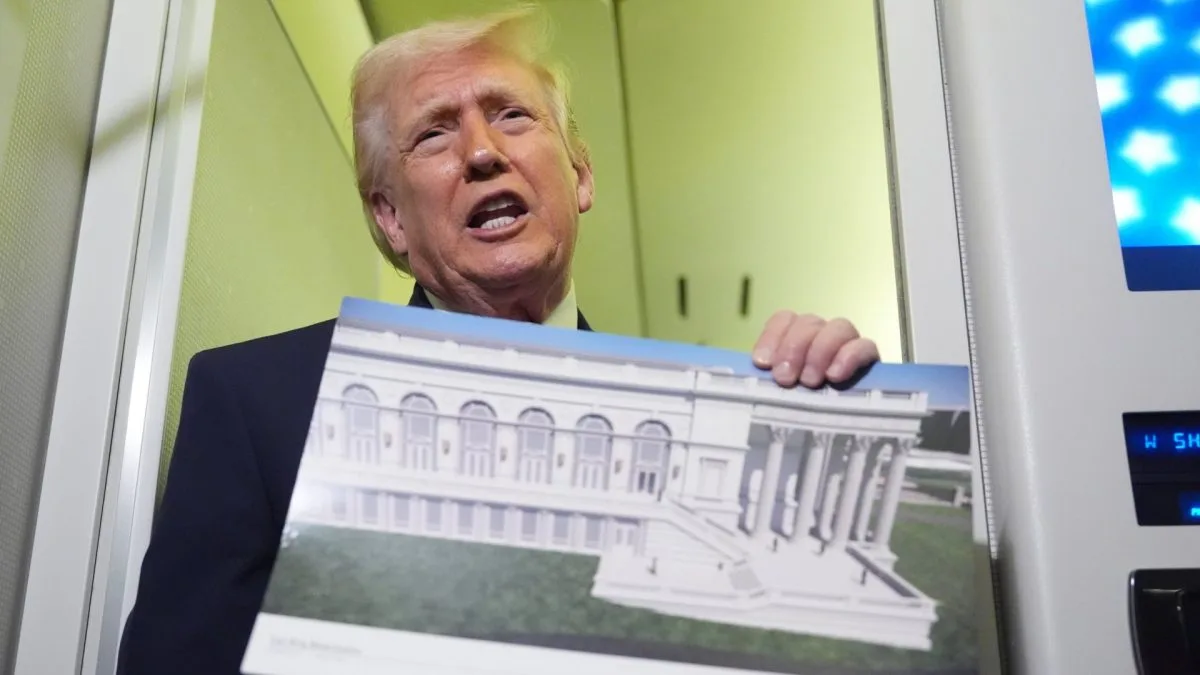
Trump Replaces Architect on $300M White House Ballroom Project
Architect replaced on $300m White House ballroom

President Donald Trump has dismissed the original architect in charge of a controversial $300 million ballroom project at the White House, following reports of disagreements and missed deadlines.

New Leadership for Grand Ballroom Plans

James McCrery II, the initial architect overseeing the ambitious development, has been removed from his leading role. The decision, announced on Friday 5 December 2025, comes amid claims of conflicting interests and his firm's struggles to keep the project on schedule.

Taking over the reins is Shalom Baranes, an architect with an extensive portfolio of major federal projects. Baranes will now lead the development of the proposed 90,000-square-foot ballroom. Despite the change in leadership, the White House confirmed that McCrery will stay connected to the project in a consulting capacity.

Political Pushback and Funding Scrutiny

The substantial project has not progressed without significant political opposition. Senator Richard Blumenthal has introduced legislation known as the 'No Palaces Act', which aims to impose strict limitations on White House construction and demolition. This bill would mandate congressional approval for any alterations to the historic residence.

Furthermore, the White House's assertion that the ballroom will be entirely privately funded by wealthy donors—reportedly including major technology firms—has sparked further controversy. In response, Democratic lawmakers have put forward a separate bill designed to impose new restrictions on donations for such private construction projects on federal property.

Legal Ambitions and Project Future

President Trump has publicly suggested that traditional zoning laws may not apply to his vision for the White House, indicating a potential legal battle ahead. The project's sheer scale, estimated at $300 million, and its funding mechanism have placed it firmly under the microscope of both politicians and the public.

The appointment of Shalom Baranes signals a determined push to advance the ballroom plans, even as legislative efforts gather pace to potentially block or severely curtail the development. The coming months will likely see intensified debate over the limits of private influence and construction at one of the world's most famous public buildings.




