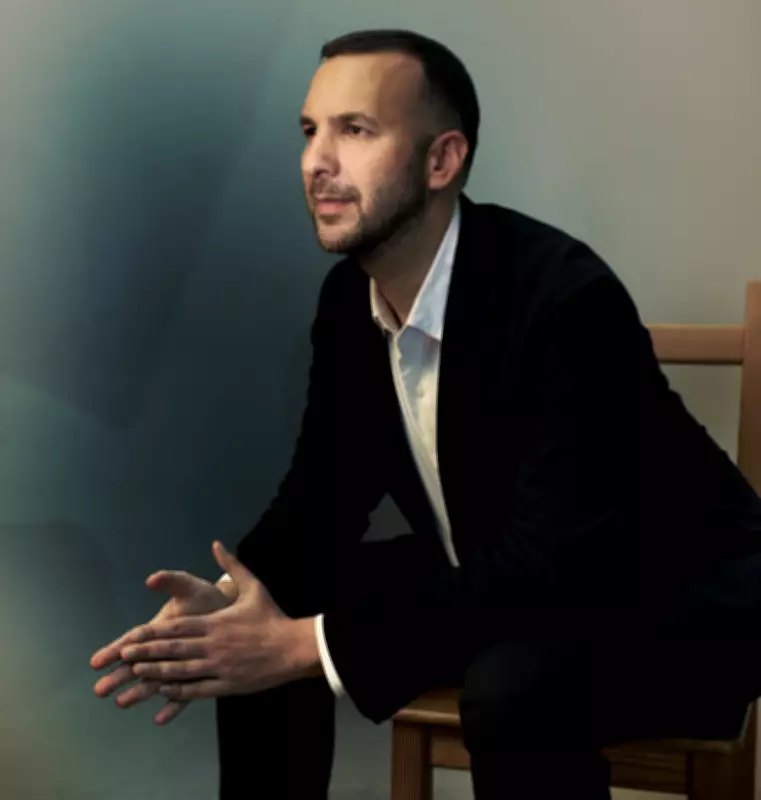
Zack Polanski's Unconventional Political Path
Zack Polanski, the deputy leader of the Green Party, has carved out a distinctive political career that blends traditional activism with modern media savvy and unexpected venues. In a recent interview, he reflected on his journey from grassroots protest to podcast host and even appearances at nightclubs, all while navigating the challenges of contemporary politics.
From Activist to Deputy Leader
Polanski's political roots are deeply embedded in activism. He first gained attention as a vocal campaigner on environmental and social justice issues, participating in protests and direct actions that highlighted his commitment to Green Party principles. This grassroots background has shaped his approach to politics, emphasising hands-on engagement and community-led initiatives over conventional party machinery.
His rise within the Green Party has been rapid, culminating in his election as deputy leader. In this role, Polanski has focused on broadening the party's appeal, particularly among younger voters and urban communities. He often speaks about the need for politics to be more accessible and relatable, a philosophy that drives his diverse activities.

Media and Outreach Strategies
One of Polanski's key strategies has been leveraging media platforms to amplify his message. He hosts a popular podcast where he discusses policy issues, interviews activists and experts, and engages with listeners in a more informal setting than traditional political discourse allows. This podcast has become a significant tool for outreach, helping to demystify politics and connect with audiences who might otherwise feel disengaged.
In addition to digital media, Polanski has embraced unconventional venues for political engagement. Notably, he has made appearances at events like the Heaven nightclub in London, where he discusses politics in a social, relaxed environment. This approach aims to break down barriers between politicians and the public, fostering conversations in spaces where people naturally gather.
Reflections on Popularity and Impact
When asked about his current popularity, Polanski expressed a nuanced view. He stated, "Am I at peak popularity? I hope not," indicating his belief that there is still room for growth and greater impact. He emphasised that his goal is not merely personal acclaim but advancing the Green Party's agenda and effecting real-world change on issues like climate action, social equity, and political reform.
Polanski acknowledged the challenges of balancing his various roles—activist, media personality, and party official. He noted that each aspect of his work informs the others, creating a holistic approach to politics. For instance, insights from podcast listeners often influence his policy priorities, while his activist background keeps him grounded in grassroots concerns.
Future Directions and Political Vision
Looking ahead, Polanski outlined his vision for the Green Party and his own political future. He aims to continue expanding the party's influence, particularly in local and national elections, by building on his outreach efforts. Key priorities include:
- Climate Policy: Advocating for more aggressive environmental measures, such as renewable energy investments and carbon reduction targets.
- Social Justice: Addressing inequalities in housing, healthcare, and education through progressive reforms.
- Political Engagement: Encouraging greater public participation in democracy, especially among underrepresented groups.
Polanski also hinted at potential new initiatives, such as collaborations with artists and cultural figures to further blend politics with everyday life. He believes that by meeting people where they are—whether online, at protests, or in nightclubs—he can foster a more inclusive and dynamic political movement.
In summary, Zack Polanski's journey from protest to podcast to nightclub exemplifies a modern political approach that values authenticity, innovation, and connection. As he continues to navigate his roles, his focus remains on driving meaningful change and ensuring that politics remains relevant to all citizens.