Spanish Women Defend Holy Week Roles Amid Brotherhood Exclusion Controversy
A single religious brotherhood's refusal to include women in its Holy Week procession has ignited front-page news across Spain. This exclusion stands as a rare exception within the country's fervently celebrated Easter-time festivities, which date back centuries and attract both faithful participants and international tourists.
National Outrage Over Sagunto Decision
Indignation has spread following the controversy in Sagunto, where members of the Puríssima Sang de Nostre Senyor Jesucrist brotherhood voted to exclude women, citing "respect for tradition" as their justification. The decision has triggered protests from government officials and citizens alike, highlighting tensions between historical practices and modern equality.
Spain's Holy Week processions represent elaborate affairs requiring months of preparation, typically peaking during the early hours of Good Friday. Brotherhoods organize groups that carry heavy floats featuring statues depicting scenes from the Gospels' accounts of Jesus' passion and death.
Women's Integral Participation Across Spain
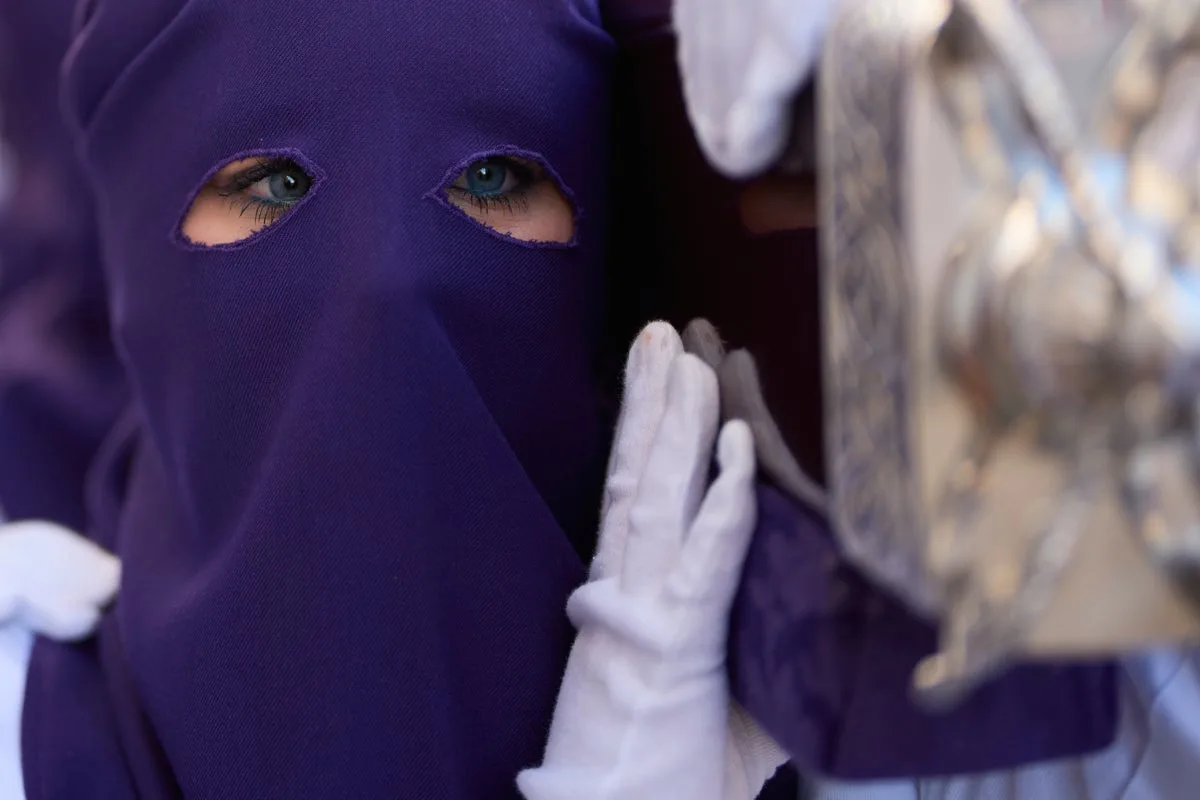
Contrary to the Sagunto exclusion, women actively participate as "portadoras" throughout most Spanish processions, carrying floats on their shoulders with devotion. In Baena, a picturesque Andalusian village, women wearing purple hoods could be seen carrying a flower-decked float featuring a statue of Jesus in prayer, their dedication visible despite traditional garments.
Montoro, another village in Córdoba province, exemplifies inclusive practices where both men and women share equal roles. Local brotherhood member Ricardo Ruano emphasized this equality, noting that sacred images include both the Virgin Mary and Jesus, making women's participation not only appropriate but essential to the tradition's spiritual integrity.
Personal Testimonies Highlight Devotion
"We as women have the same right as a man to go out in the procession," declared Rosa de la Cruz, a portadora from Montoro. "We don't participate for attention but so that people may see the sacred images we carry." Her sentiment echoes among many women who view their roles as expressions of faith rather than political statements.
Mari Carmen Lopez from Montoro further emphasized that while physical strength might vary between individuals, spiritual devotion remains universal. "We go with faith, with devotion, with all our hearts," she stated as her brotherhood's float navigated the village's uphill alleys, adding pointedly that men who disregard women's contributions "don't realize they were born of a woman."
Historical Evolution and Contemporary Relevance
University of Huelva professor Juan Carlos González Faraco, who has extensively studied Andalusian religious traditions, noted that despite Spain's increasing secularization, interest in procession roles continues to grow. Historically male-dominated brotherhoods have been including women in both leadership and processional roles for decades, particularly among the hooded "penitents" who march alongside floats.
This year's celebrations carried additional emotional weight in some communities, with many in Montoro dedicating their Holy Week prayers to victims of a devastating January train accident that claimed nearly four dozen lives nearby. Such moments underscore how these traditions provide spiritual solace and community cohesion beyond ceremonial aspects.
The Sagunto controversy has inadvertently highlighted the widespread acceptance of women's participation across Spain, turning what was intended as an exclusionary decision into a national conversation about tradition, equality, and faith in modern Spanish society.