White House Issues Stern Warning to Staff Over Prediction Market Betting
The White House has formally cautioned its staff members against placing bets on prediction markets concerning global events, following a report that revealed suspicious financial activity linked to the recent Iran war ceasefire. This directive comes amid growing scrutiny over the potential misuse of nonpublic information for personal gain.
Suspicious Accounts Profit from Precise Geopolitical Predictions
According to a detailed report from The Wall Street Journal, U.S. government officials have faced increased examination after newly created accounts on prediction platforms like Polymarket and Kalshi generated substantial profits from remarkably accurate forecasts. These predictions included specific details such as the capture of Venezuelan leader Nicolas Maduro and the precise timing of U.S. military actions against Iran.
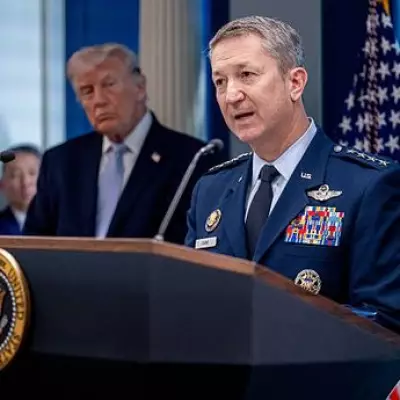
White House spokesperson Davis Ingle confirmed the warning, stating, "President Trump has been crystal clear. While he seeks a strong and profitable stock market for everyone, members of Congress and other government officials should be prohibited from using nonpublic information for financial benefit." The warning was issued by the White House Management Office on March 24th.

Iran Ceasefire Bets Raise Alarm Over Insider Trading
Despite the official warning, more than 50 new Polymarket accounts were established just minutes before the announcement of the Iran ceasefire. Among these, three accounts collectively earned over $600,000 by correctly predicting the exact timing of President Trump's decision to halt hostilities. This has led to fresh allegations of insider trading within the highest levels of government.
Prediction markets such as Polymarket and Kalshi have surged in popularity in recent years, allowing users to wager on outcomes ranging from sports to geopolitical developments. These platforms operate in a regulatory gray area, as their owners argue that they resemble investment vehicles rather than traditional gambling, thus avoiding stringent U.S. gambling laws.
Legislative Response and Criticism from Lawmakers
The controversy has prompted swift action from lawmakers. Democratic Senator Richard Blumenthal of Connecticut has condemned the use of prediction markets in the context of military conflicts, accusing them of turning war "into a casino game, and creating a market for national security risks."
Senator Blumenthal, alongside New Jersey Democrat Andy Kim, has introduced legislation aimed at banning prediction markets related to military events. Kim emphasized the urgency of the issue, stating, "Corruption and exploitation are thriving right now within the gaps and loopholes of prediction markets."
Anonymity and Broader Concerns Over Financial Ethics
Compounding the problem is the anonymity afforded by these platforms. All trades on Polymarket are conducted using cryptocurrency, making it nearly impossible to trace the identities of bettors. This feature has raised fears that insiders could exploit confidential information without detection.
White House press secretary Karoline Leavitt also found herself at the center of speculation earlier this year when thousands of dollars were wagered on whether her press conference would exceed 65 minutes. The conference ended abruptly just before that mark, fueling suspicions of coordinated betting.
This incident echoes past criticisms of congressional figures, such as Nancy Pelosi, for their investment activities while in office. The rise of prediction markets appears to have simplified the process for insiders to monetize sensitive information discreetly, underscoring ongoing challenges in maintaining ethical standards in government.