Navigating the Murky Waters of Sustainable Seafood Choices
Sustainable Seafood Complexity Overwhelms Consumers

Consumers are increasingly adrift in a sea of complexity when it comes to choosing sustainable seafood, as the definition of what makes fish and shellfish environmentally and ethically sound has expanded far beyond simple overfishing concerns. What was once a straightforward matter of avoiding depleted stocks has morphed into a multifaceted evaluation involving human rights, carbon emissions, and even technological access for workers.

The Evolving Landscape of Seafood Sustainability

For decades, the conversation around sustainable seafood focused on basic principles: don't overfish, avoid destructive trawling methods, and ensure aquaculture practices are healthy for both fish and oceans. These aspects remain crucial, but today's sustainability terrain is vastly more complicated, blending business ethics with ecological stewardship.

Advocates now urge consumers to consider issues ranging from labor abuses in fishing fleets to the rights of indigenous populations practicing traditional fishing methods. The carbon footprint comparison between a salmon fillet and a filet mignon has entered the discussion, alongside seemingly obscure details like whether fishing boats provide free, high-speed Wi-Fi for workers—a lifeline for reporting abuses during months at sea.

Wide Pickt banner — collaborative shopping lists app for Telegram, phone mockup with grocery list

Certification Confusion and Consumer Overwhelm

This expanded sustainability framework is certified, rated, and labeled by a tapestry of competing and overlapping organizations, creating confusion even for experts. Robert Jones, global director of aquatic foods for The Nature Conservancy, admits that navigating these systems can be challenging. "I'm an expert and I still sometimes struggle to look through some of the systems to figure out which product in the store actually matches which rating, and which label is different," he said.

For American consumers, who already have a notoriously limited appetite for seafood, this complexity can be overwhelming. The simplicity of earlier rating systems has given way to a guilt-inducing maze that may drive people away from seafood entirely.

From Traffic Lights to Complex Equations

For several decades, the most recognizable sustainability guide was Monterey Bay Aquarium's Seafood Watch program, which used traffic-light colored cards (green, yellow, red) to encourage or admonish consumption of specific species. This system, focused primarily on preserving seafood populations, resonated through its simplicity.

Jennifer Kemmerly, vice president of global ocean conservation for Monterey Bay, notes that twenty-five years ago, this environmental focus was appropriate. Overseas fisheries, which supply much U.S. seafood, might ignore American regulations but would respond to consumer demand for sustainable choices.

However, this approach created what seafood sustainability expert Barton Seaver describes as a "guilty-until-proven-innocent" aura that persists today. Rather than navigating the nuances of whether farmed or wild salmon is better (an answer that has changed over time), many consumers simply opt for chicken. "The entire category had to be exonerated," Seaver said. "Yes, the information was more easily digestible, but the end result was fear, trepidation and a general lack of participation."

The Broadening Definition of Sustainability

Seafood Watch eventually fell silent, partly due to pandemic pressures, but also because the definition of sustainable had broadened dramatically. While safeguarding endangered stocks remains important, issues like worker treatment, regenerative practices, and fleet ownership now factor into the equation.

Industry experts argue that true sustainability must weigh seafood's impact against alternatives. "When we do so across five very important metrics—greenhouse gas, land-use alteration, feed conversion, freshwater and antibiotics—seafood just comes out on top in the animal-protein conversation," Seaver explained. "If you want the sustainable option for dinner, the yellow-list or even red-list seafood might be the better environmental option than chicken or beef."

Pickt after-article banner — collaborative shopping lists app with family illustration

This creates an equation too complex for most consumers, compounded by the fact that many newer sustainability issues aren't intuitive. The seafood industry's inherent complexity—thousands of species, regions, and regulations—contrasts sharply with the monoculture-like beef, pork, and poultry industries that easily align on methods and messaging.

Pathways Forward: Simplification Through Regulation

Despite the information overload, Kemmerly views this complexity as a sign of progress. "These big companies who 25 years ago made a sustainability commitment thinking it was just the environmental piece are now also on the hook for reporting on environmental, social and governance issues," she said.

Celebrity chef Andrew Zimmern, whose documentary "Hope in the Water" highlighted sustainability efforts, believes the biggest loser in this confusion is the American consumer. He advocates for all industry players—from fishermen to watchdog groups—to agree on regularly updated standards, shifting responsibility to the industry and freeing consumers to feel good about their purchases.

This approach isn't entirely wishful thinking. The Alaskan seafood industry benefits from a sustainability halo because regulations mandating good practices are written into the state constitution. "We've always said, if you choose Alaska, it's the easy choice from a sustainability standpoint. There's not a single one of our fisheries that isn't sustainably managed," said Jeremy Woodrow, executive director of the Alaska Seafood Marketing Institute. "We've tried to simplify that for them."

Practical Guidance for Confused Consumers

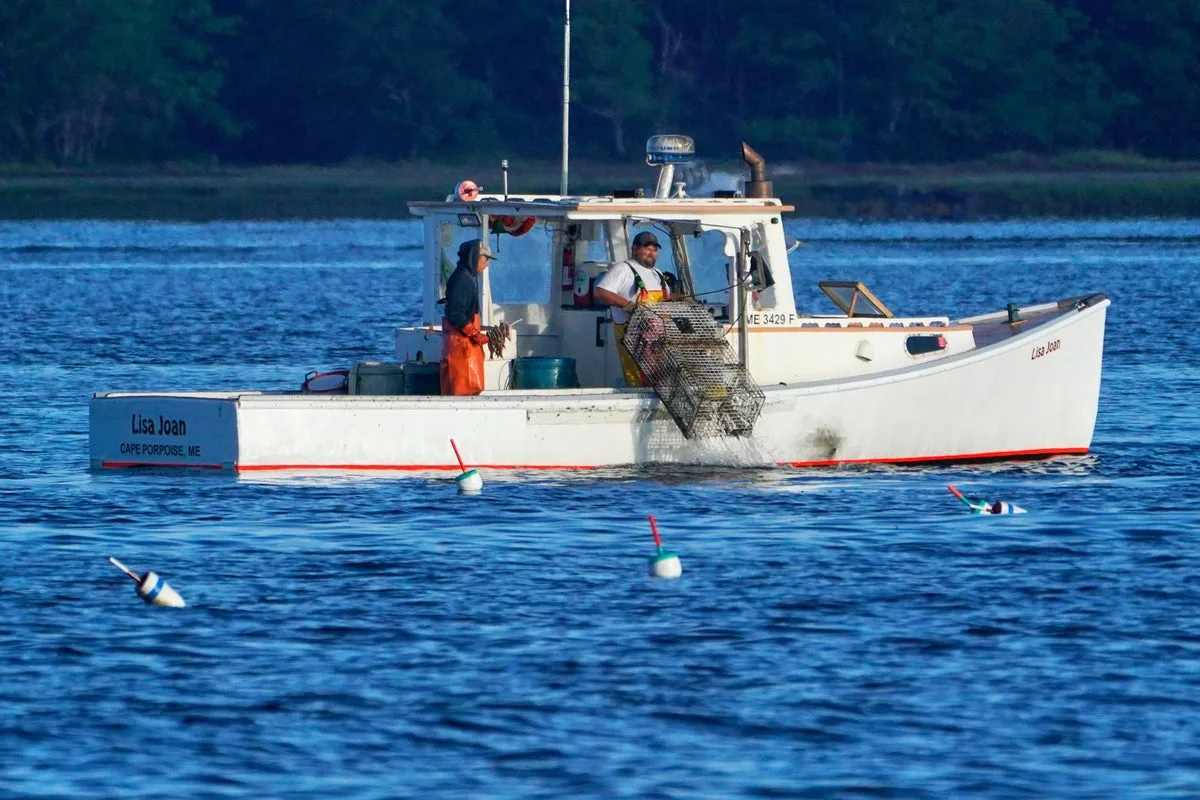
So what should bewildered seafood shoppers do? Experts suggest focusing on American and local options when possible. While not perfect, the U.S. seafood industry is highly regulated and works with retailers who insist on sustainability standards.

"When you go to Whole Foods, you trust that they've done the job for you. And that's the case for a lot of large grocery chains these days," Woodrow noted. "Consumers should feel confident when they go to the freezer case or the fresh case that that fish is going to be coming from a responsible fishery."

Seaver recommends letting chefs and consumers focus on what tastes good, while Seafood Watch is relaunching with an emphasis on educating chefs about sustainable choices. The consensus emerges: trust in regulated markets and American sourcing may offer the clearest path through increasingly murky waters.