
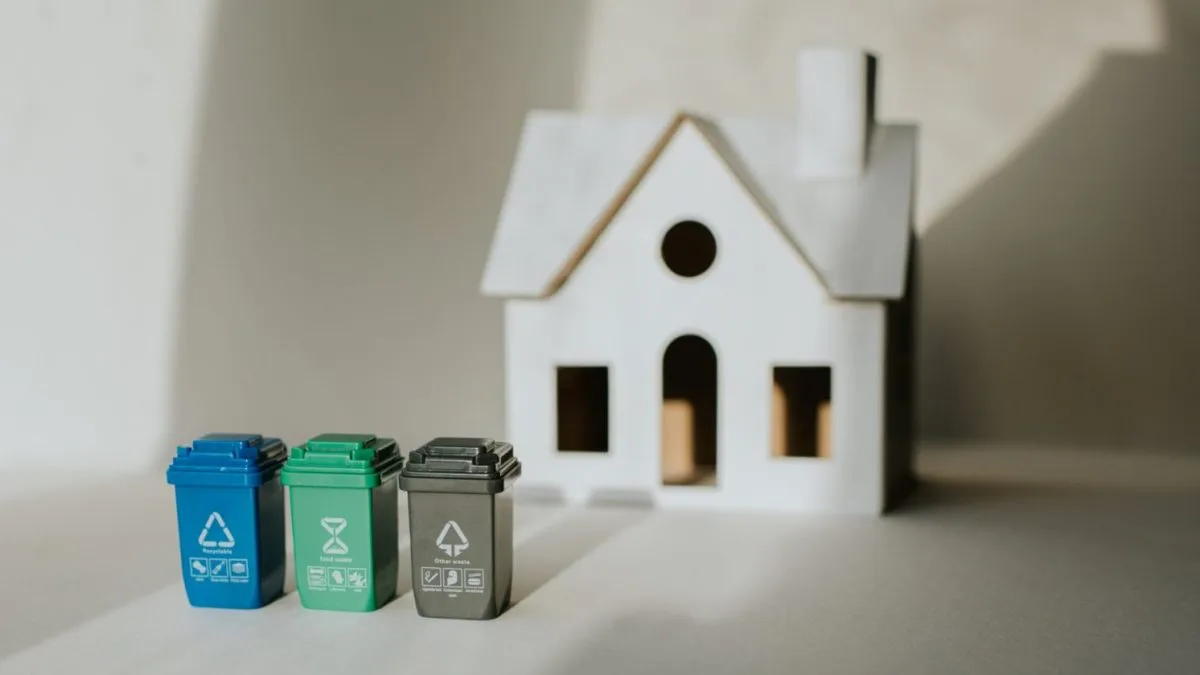
New government rules requiring councils in England to provide separate collections for food waste, dry recyclables, paper and card, and general rubbish came into effect today. The Simpler Recycling scheme aims to boost England's recycling rate, which has stagnated at around 44 per cent for years, and end the 'postcode lottery' of recycling.
Under the rules, households will eventually have four separate bins: one for food and garden waste, one for paper and card, one for dry recyclables (glass, metal, plastic, and cartons), and one for general non-recyclable rubbish. Some councils already offer food waste collections, meaning some areas will only gain one extra bin.
However, a BBC investigation found that more than a third of councils will not meet the deadline for food waste collections. Shortages of specialist collection vehicles and funding gaps were cited as reasons, despite over £340 million in government grants. Some councils have been granted transitional arrangements, allowing delays of up to a decade.
Food waste collected separately is taken to anaerobic digestion plants, where it produces biomethane for energy and digestate for fertiliser. The Waste and Resources Action Programme says one kitchen caddy of food waste could power a fridge for 18 hours. In contrast, food waste rotting in landfill produces methane, a potent greenhouse gas.
The government aims to reach a 65 per cent recycling rate by 2035, up from the current 44 per cent. Wales already recycles 57 per cent of its household waste.




