Women who were impacted by the communication of changes to the state pension age have been informed for a second time that they will not receive any form of compensation. This decision reaffirms the government's longstanding position, despite ongoing campaigns and legal challenges from affected groups.
Government Defends Decision Based on Public Awareness
Work and Pensions Secretary Pat McFadden addressed the House of Commons on Thursday, providing a detailed justification for the refusal. He stated that extensive evidence indicates the vast majority of women born in the 1950s were already aware that the state pension age was increasing. This awareness, according to McFadden, was fostered through a comprehensive range of public information initiatives.
These campaigns included:

- Widespread distribution of informational leaflets
- Targeted education campaigns across various media platforms
- Information displayed in GP surgeries and healthcare settings
- Broadcast coverage on television and radio
- Cinema advertisements and extensive online outreach
Practical Challenges of Targeted Compensation
McFadden further explained that creating a compensation scheme specifically for women who suffered injustice would present significant practical difficulties. He emphasised that such a programme would require the government to reliably verify the individual circumstances of millions of women across the country, a task deemed administratively complex and potentially unfeasible.
This position follows a review of Labour's previous policy against offering redress, which was reconsidered after the rediscovery of a 2007 Department for Work and Pensions evaluation. That evaluation had previously led officials to cease sending automatic pension forecast letters to affected individuals.
Waspi Campaigners Vow to Continue Fight
Angela Madden, chairwoman of Women Against State Pension Inequality (Waspi), responded to the announcement with strong criticism, accusing the government of demonstrating "utter contempt" for the affected women. The Waspi organisation has been campaigning for compensation for years, arguing that inadequate communication left many women without sufficient time to prepare for the pension age changes.
"Waspi is currently taking comprehensive legal advice, and all potential options remain firmly on the table," Madden declared. "We stand fully prepared to pursue every available avenue, both within Parliament and through the court system, to secure the justice that has been so shamefully denied to these women."
Previous Ombudsman Recommendations
A report published previously by the Parliamentary and Health Service Ombudsman had suggested that compensation ranging between £1,000 and £2,950 could be appropriate for each individual affected by the communication failures surrounding state pension changes. These recommendations have not been implemented by the government, leading to continued frustration among campaigners.
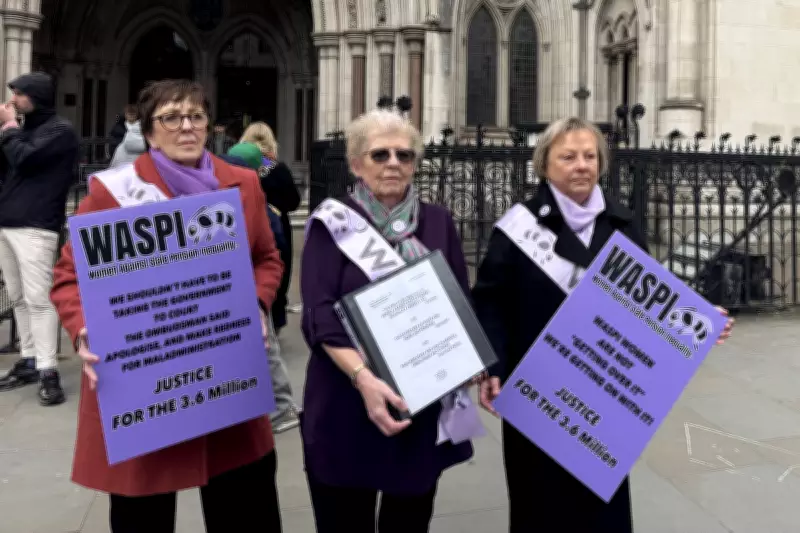
The Waspi campaign has maintained a visible presence, with supporters gathering outside the Royal Courts of Justice in London earlier this year to highlight their cause. The group continues to argue that despite the government's claims about awareness campaigns, many women received insufficient or unclear information about how the pension age changes would specifically affect their retirement plans.