Thirty prominent organisations representing victims of violence against women and girls (VAWG) have issued a stark warning to Justice Secretary David Lammy, urging him to abandon controversial government plans to significantly reduce the number of jury trials in England and Wales. In a strongly worded letter, the groups argue that such a move would deepen mistrust in the justice system among victims and distract from essential measures designed to reduce offending.
Deep Concerns Over Fair Outcomes
The signatories, which include Rights of Women, the End Violence Against Women Coalition, Women for Refugee Women, and various branches of Women’s Aid, expressed they are "deeply concerned that the curtailment of jury trials risks unfair outcomes that undermine justice for everyone." They emphasise that positioning the rights of survivors as directly opposed to those of defendants oversimplifies the complex reality of how the criminal justice system treats women on all sides of the adversarial model.
The Plight of Criminalised Survivors
The letter highlights a critical issue: many women who are survivors of violence are "routinely and unjustly criminalised," particularly when they belong to minoritised communities. Fiona Rutherford, chief executive of the law reform charity Justice, also signed the letter, underscoring concerns for women and girls who have been "unjustly criminalised" as a result of their abuse, some of whom have faced trial themselves.

Another signatory, the Centre for Women’s Justice, has long campaigned on this front, noting that approximately 70% of women in prison or under probation supervision are known to be victims of domestic abuse. The organisation argues that some domestic abuse victims charged with criminal offences have acted under duress or in self-defence, a nuance they fear could be lost without jury deliberation.
Government's Rationale and Proposed Changes
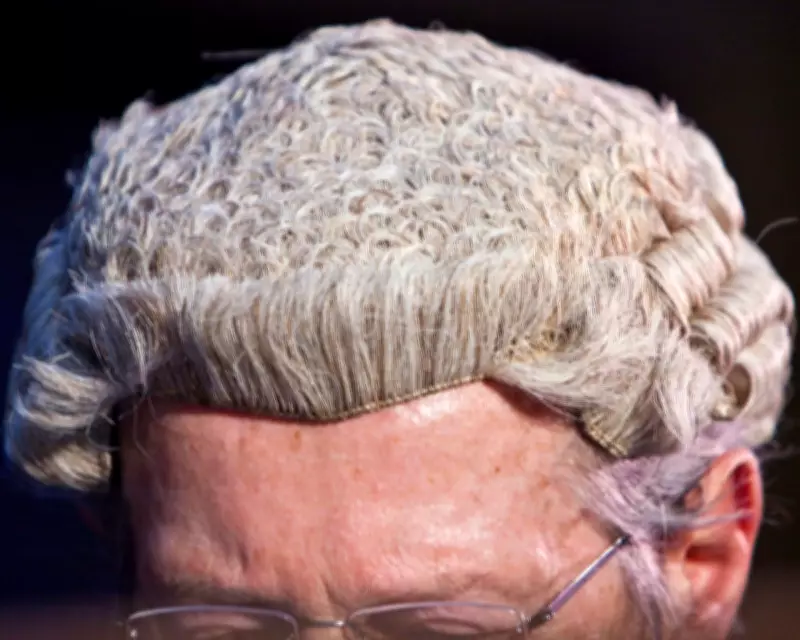
The controversial Courts and Tribunals Bill was introduced in an attempt to tackle a severe backlog of cases in crown courts, which currently stands at 80,000. The government warns this figure could balloon to 200,000 by 2035 without intervention. If the bill becomes law, it would scrap jury trials for cases likely to carry a custodial sentence of fewer than three years. Magistrates would be granted increased sentencing powers, and lone judges could hear some crown court cases.
These proposed changes would affect "either way" offences, removing the right of some defendants to opt for their case to be heard by a jury in a crown court rather than by a magistrate. The plight of rape and sexual assault victims, with over 13,000 waiting for their cases to be heard and some facing delays of several years, has frequently been cited as an argument for new legislation.
Parliamentary Debate and Personal Testimonies
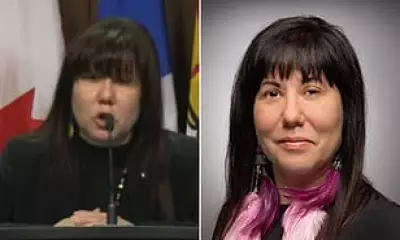
During a debate on the proposed legislation, Labour MP Charlotte Nichols accused the government of using rape victims as a "cudgel" to drive through changes that may not directly benefit them. Nichols revealed she waited 1,088 days for her rape case to come to trial, though the defendant was acquitted in criminal court but later ordered to pay compensation in a civil case.
Conversely, another Labour MP, Natalie Fleet, who has spoken about being groomed and raped as a teenager, stated: "You know what’s worse than being raped? Facing years of waiting to see if people believe you." The bill survived a vote in the Commons last week, passing with a majority of 101, although 10 Labour MPs rebelled and many more abstained.
The Diversity Deficit and Bias Concerns
The organisations also raised significant concerns about judicial diversity, pointing out that only 36% of circuit judges who sit in crown court cases are women, and a mere 10% are from ethnic minorities. They argue that in judge-only decisions, there is an increased potential for individual biases to influence verdicts.
While research carried out by David Lammy in 2017 suggested juries do not generally discriminate against defendants on grounds of ethnicity, the groups cited a separate study by academic Kitty Lymperopoulou. This study indicated that lone judges are more likely to give jail sentences to those from black, Asian, and mixed ethnicity groups.

The Democratic Safeguard of Jury Trials
The letter asserts: "For centuries, trial by one’s peers has acted as a democratic safeguard, functioning as a vital connection between society and the law, so that justice is not determined by a single class or authority alone." They contend that the involvement of 12 randomly selected people brings a wider range of lived experiences, insights, and perspectives into the decision-making process, strengthening the fairness and balance of deliberations.
Requiring a unanimous verdict means that every juror’s viewpoint must be considered, ensuring the final decision reflects collective deliberation rather than relying on a single viewpoint. The groups note that black people, older people, and women elect for trial at the crown court at higher rates than other groups, making jury protections central to system integrity.
Call for Substantive Reform
The organisations warn that reducing jury trials risks "diverting resources and attention away from the substantive reform needed to address the complex, underlying causes of VAWG." They stress that fewer than half of victims believe they can get justice, with confidence lowest among minoritised communities.
A Ministry of Justice spokesperson responded: "No one has more lived and varied experience of the justice system than victims’ groups representing brave survivors across the country – and we wholeheartedly welcome all views as we move forward with these vital reforms. We had a positive and constructive meeting with a number of signatories today and look forward to working collaboratively with them on our reform package and the independent review of its implementation so we can deliver fairer and faster justice for all."