In a remarkable geological discovery, Utah's iconic Great Salt Lake may not be as saline as previously believed. A comprehensive scientific study has revealed the existence of a substantial freshwater reservoir lying deep beneath the lake's famously salty surface, potentially reshaping environmental management strategies in the region.
Uncovering Hidden Waters
Researchers from the University of Utah conducted airborne electromagnetic surveys to examine the subsurface area beneath Farmington Bay and Antelope Island, located along the southeastern shore of the Great Salt Lake. The findings, published in the prestigious journal Scientific Reports in late February, indicate that freshwater saturates sediments at depths ranging from approximately 10,000 to 13,000 feet below the lake bed.
"We were able to answer the question of how deep this potential reservoir is, and what its spatial extent is beneath the eastern lake margin," explained Michael Zhdanov, the study's lead author, in a press release issued last month. "If you know how deep, you know how wide, you know the porous space, you can calculate the potential freshwater volume."

Context of a Shrinking Lake
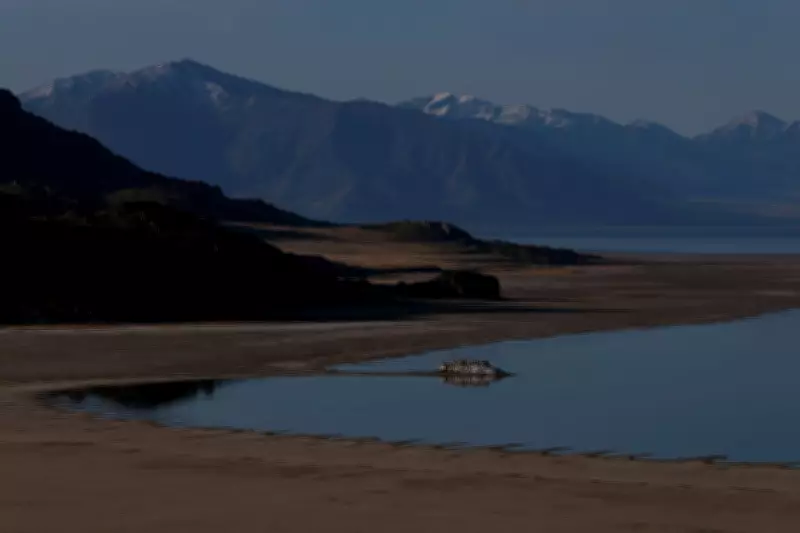
The Great Salt Lake, situated in northwestern Utah, holds the distinction of being the largest saltwater lake in the Western Hemisphere and ranks as the eighth largest such lake globally, according to Utah's Department of Natural Resources. However, this significant body of water has been facing severe challenges in recent years.
In November 2022, the average daily lake level plummeted to a record low of 4,188.5 feet above sea level, highlighting the ongoing water crisis. This dramatic decline has led to concerning environmental consequences, particularly dust pollution containing toxic metals that regularly blow into nearby Utah communities.
Research Motivations and Implications
The current study forms part of a broader research initiative aimed at understanding groundwater systems beneath the Great Salt Lake. This investigation was prompted by the mysterious appearance of mounds covered in reeds and tall grasses on the bed of Farmington Bay in recent years, suggesting subsurface hydrological activity.
Bill Johnson, a co-author of the Great Salt Lake groundwater research papers, emphasized the cautious approach needed: "There are beneficial effects of this groundwater that we need to understand before we go extracting more of it. A first-order objective is to understand whether we could use this freshwater to wet dust hotspots and douse them in a meaningful way without perturbing the freshwater system too much."
Potential Environmental Solutions
The discovery of this substantial freshwater reservoir offers potential hope for addressing multiple environmental challenges:
- Mitigating dust pollution that affects air quality in surrounding communities
- Providing alternative water sources during periods of drought
- Supporting ecological restoration efforts around the lake
- Informing sustainable water management policies
As researchers continue to map and analyze this underground freshwater system, their findings could significantly influence how Utah manages its precious water resources while balancing environmental protection and community needs.