UK Must Resist Trump's Push for Military Action Against Iran, Warns McDonnell
Former Shadow Chancellor John McDonnell has issued a stark warning that the United Kingdom cannot allow itself to be dragged into yet another catastrophic military adventure by Donald Trump. This caution comes amid escalating tensions following Trump's recent attacks on Iran, which have raised profound legal and strategic concerns.
Lessons from Past Conflicts
McDonnell draws heavily on Britain's painful experiences in Iraq, Afghanistan, and Libya, where politicians readily unleashed overwhelming firepower, only to witness the ensuing nightmares of human suffering and instability. He emphasizes that the most challenging aspect of warfare is not the initial assault but securing peace and stability once hostilities cease.
This historical perspective makes seasoned politicians wary of entering armed conflict without clear legal justification under international law and a coherent plan for post-war reconstruction. The current crisis with Iran, McDonnell argues, lacks both these critical elements.

Trump's Reckless Approach and Legal Violations
McDonnell condemns the "extremes of recklessness and irresponsibility" displayed by Donald Trump, whom he claims is being guided by Israeli Prime Minister Benjamin Netanyahu. Under international law, an attack on a sovereign state requires United Nations sanction and must respond to an immediate threat.
Trump's offensive against Iran meets neither criterion. It lacks UN authorization and does not address an imminent danger. While Iran's nuclear ambitions pose a perceived threat, diplomatic talks were reportedly progressing, and the US has repeatedly asserted its capability to target nuclear facilities directly.
"It is absolutely clear from his own statements that the attack on Iran is aimed at regime change, completely contrary to international law and the UN Charter," McDonnell states. He views this as another example of Trump dismantling the rules-based international order established after World War II to prevent global conflicts.
No Plan for Peace and Regional Fallout
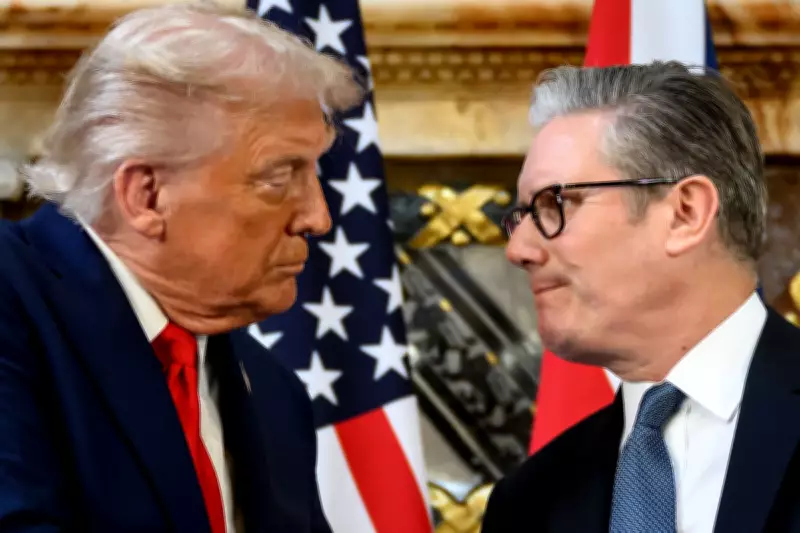
A critical concern is the apparent absence of any US strategy for when military operations end. McDonnell notes that Prime Minister Keir Starmer, during parliamentary questioning, revealed he had not been consulted on or informed of any American post-war plan.
The risks are immense. Iran's regime, anticipating the eventual death of its 86-year-old Supreme Leader, could unleash even greater repression through its Republican Guards. There is a tangible threat of a bloody civil war as factions vie for power, potentially on regional lines.
Already, the conflict is spilling over into neighboring countries, igniting the wider region. The UK is not immune; reduced oil supplies and rising petrol prices could drive inflation, stall economic growth, and force interest rate hikes.
Starmer's U-Turn and Parliamentary Scrutiny
Initially, as the US and Israel launched their attack, Keir Starmer announced that the UK would not participate, committing only to patrols for defensive purposes. Within hours, however, he performed a notable U-turn, allowing British bases to be used by the US for defensive operations following Iranian missile and drone strikes on neighboring states.
Starmer published a summary of legal advice arguing this defensive role was lawful. While there is relief that the UK did not join Trump's offensive, deep anxiety persists that this legal justification could pave the way for further involvement in the war.
McDonnell, along with several other MPs, is demanding that any decision to engage the UK more deeply in this conflict must be put before Parliament for a vote. "We fear that instead of working for a peaceful resolution, we will be dragged into a disastrous military adventure by Donald Trump," he concludes, urging vigilance and democratic oversight.