The vast network of charities and voluntary organisations that underpins British society is heading into 2026 confronting what many describe as a 'perfect storm' of financial pressures and soaring demand for their services.
A Sector Under Severe Strain
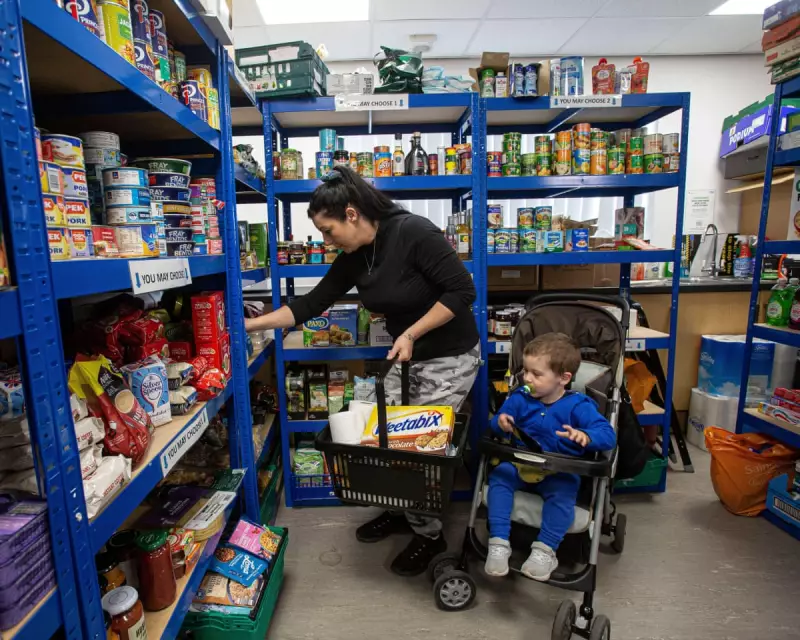
Speaking in a House of Lords debate following Labour's election victory, former MP Lord Jeff Rooker highlighted the indispensable role of groups like Hands Together Ludlow, which provides food, support, and community space. He argued such volunteers "keep society going". However, this essential fabric is fraying. The combined legacy of austerity, the pandemic, and the cost of living crisis has pushed demand to record levels, while resources are shrinking.
State funding, from both central government and depleted local authorities, is increasingly inadequate. Simultaneously, charitable giving has fallen to its lowest level since records began. Fewer people are volunteering, and operational costs have surged, exacerbated by the rise in employers' national insurance contributions implemented in April 2024.

Household Names and Grassroots Groups Hit Hard
The financial squeeze has devastated organisations of all sizes. In July 2025, the Samaritans announced the closure of half of its 200 branches. Macmillan Cancer Support has cut a quarter of its staff and reduced hardship grants. Oxfam and the counselling charity Relate have also faced job losses. Meanwhile, institutions like the National Trust have become targets in divisive culture wars.
At the grassroots level, the situation is even more precarious. A survey by Voluntary Norfolk in the summer of 2025 found half of the county's charities feared they would have to make staff redundant. Many are digging into dwindling reserves, cutting services, and grappling with burnout among overstretched teams.
The Need for a Meaningful Covenant
The Labour government, which aspires to place civil society at the heart of national renewal, faces a major test. In July 2025, Prime Minister Sir Keir Starmer launched a civil society covenant, acknowledging the broad ecosystem of charities, community groups, and faith organisations. Yet, critics warn that warm words alone are insufficient.
The sector's modern history is one of shifting relationships with the state. The campaigning charities of the 1960s and 70s, like Shelter and Friends of the Earth, acted as a 'radical hinterland' for policy. Later, Conservative governments from Thatcher to Cameron promoted voluntarism to fill the void left by a shrinking state, often with disastrous social consequences.
Sir Keir's covenant echoes Gordon Brown's New Labour 'compact' of the 2000s, which led to a boom in contract funding. However, the 2008 financial crash began two lost decades of flat growth and pared-back budgets, leaving the current sector in a far weaker position.
For the majority of charities surveyed by the National Council for Voluntary Organisations (NCVO), grants and contracts have not covered costs since 2020. Alarmingly, donations have fallen most sharply among younger people, with 'affordability' cited as the key reason.
An Indispensable Social and Economic Asset
With over 160,000 charities, the sector is a proven economic asset, not only through direct activity but via preventive work that saves the state money. Their trusted, community-embedded nature allows them to be pioneers and pathfinders in a way neither the state nor private providers can match.
If Labour's covenant is to have real meaning, the government must find ways to secure the financial and human resources the voluntary sector desperately needs. A transformative injection of funding is justified by the immense value charities create. The constant battle to 'do more with less' is failing. In 2026, it will be time for the government to move beyond rhetoric and truly empower this vital sector to fulfil its vocation.