Federal Panel Set to Vote on Trump's White House Ballroom Proposal
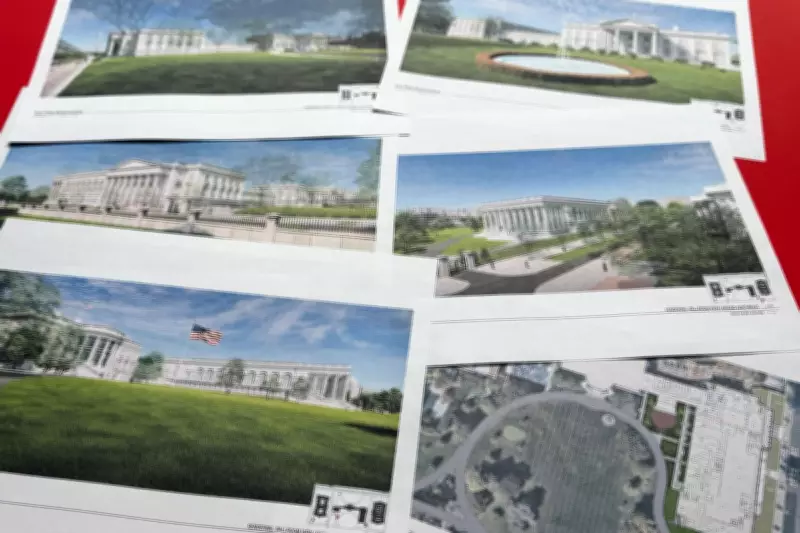
The U.S. Commission of Fine Arts, a federal panel responsible for reviewing President Donald Trump's ambitious plans to construct a massive ballroom on the site of the former White House East Wing, is expected to advance the project when it convenes on Thursday. The commission, which is now led by appointees of the Republican president, will likely vote on the design during its monthly meeting, which is being conducted over Zoom.
Scrutiny and Endorsement of the "Immense" Design
At the January meeting, some commissioners questioned the lead architect about the "immense" design and scale of the project, which proposes a ballroom roughly twice the size of the White House itself. Despite these concerns, the panel broadly endorsed Trump's vision, indicating a favorable stance towards the proposal. The project has sparked significant debate due to its unprecedented dimensions and potential impact on the historic site.
Public Outcry and Legal Challenges
Trump's decision in October to demolish the East Wing prompted a public outcry when construction began without the independent reviews, congressional approval, and public comment that are typically required even for relatively minor modifications to historic buildings in Washington. In response, the National Trust for Historic Preservation has sued in federal court to halt construction of the ballroom, with the judge's decision in the case still pending. This legal action underscores the contentious nature of the project and its deviation from standard regulatory processes.

Upcoming Reviews and Jurisdictional Oversight
The ballroom project is scheduled for additional discussion at a March 5 meeting of the National Capital Planning Commission, which is led by one of Trump's top White House aides. This commission holds jurisdiction over construction and major renovations to government buildings in the region, making its upcoming review a critical next step in the approval process. The involvement of multiple federal bodies highlights the complex regulatory landscape surrounding such high-profile developments.
As the U.S. Commission of Fine Arts prepares to vote, the outcome could significantly influence the future of Trump's ballroom proposal, balancing presidential ambitions with historic preservation and public accountability.