Trump's Iran War Claims and Defence Secretary's Contradictions
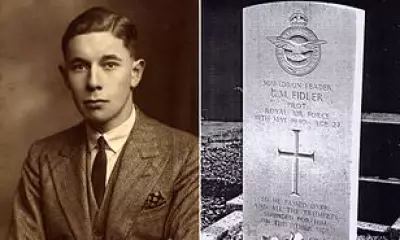
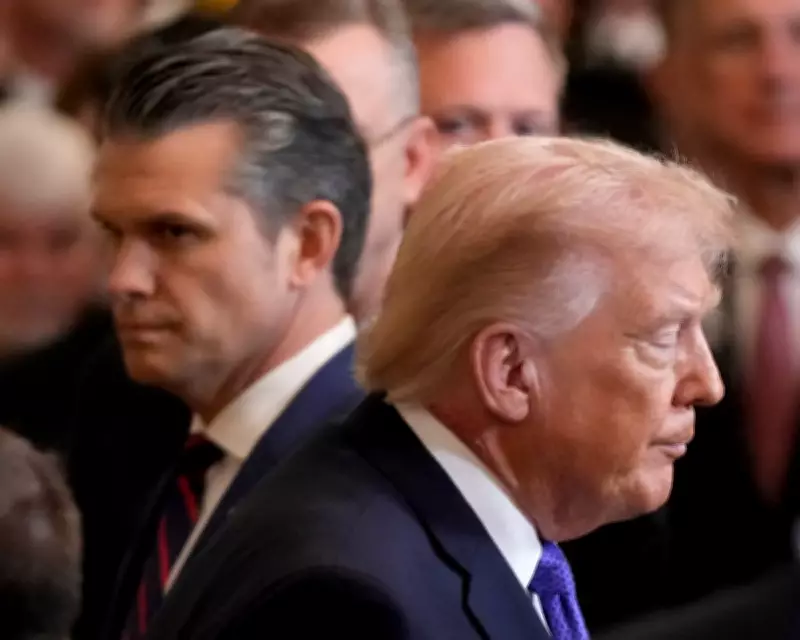
Donald Trump and his defence secretary, Pete Hegseth, have been at the centre of controversy over the US-Israel war on Iran, with Trump accusing UK Prime Minister Keir Starmer of damaging the special relationship by not providing more support. This criticism comes despite a pattern where Trump often dismisses or undermines allies' contributions, even in matters as sensitive as war memorials.
Regime-Refresh or Regime-Change? The Confusion in Iran Policy
Hegseth has asserted that the conflict in Iran is not a regime-change war, a statement made shortly after US-Israeli strikes targeted the ayatollah's compound. He has since clarified, dismissing notions of nation-building or democracy promotion. This aligns with Trump's broader scepticism towards democracy, both domestically and internationally, particularly in regions he has previously disparaged.
The administration, which campaigned on a "no more wars" platform, now faces internal discrepancies, with figures like Marco Rubio and JD Vance offering differing justifications for the war. Hegseth's certainty, contrasted with his Crusades tattoos and evolving rationales, highlights a lack of coherent strategy.

AI Ethics Scandal: Pentagon Drops Anthropic for OpenAI
In a parallel development, the US Department of Defence terminated its contract with AI firm Anthropic after the company refused to relax ethical guidelines prohibiting mass domestic surveillance and autonomous lethal weapons. The Trump administration swiftly replaced Anthropic with OpenAI, led by Sam Altman, despite initial assurances of similar red lines.
This move raises concerns about the unchecked advancement of dangerous AI technologies, with Altman's history of opaque dealings suggesting potential compromises in safety protocols. The shift underscores a preference for militaristic solutions over ethical governance in emerging tech.
Broader Implications for Democracy and Global Stability
Trump's actions in Iran and AI policy reflect a broader pattern of undermining democratic norms and international trust. His lies about ending Iran's nuclear programme and promises of swift regime change are viewed with scepticism, given the likely unintended consequences, akin to the fallout from his support for actions in Gaza.
The erosion of democracy extends beyond the Middle East, with Trump's domestic policies and enrichment while in office posing threats to Western ways of life. As AI risks escalate, his administration's handling of these issues suggests a prioritisation of short-term gains over long-term security and ethical standards.
Ultimately, the question remains: will Trump's legacy leave the world safer and more prosperous? Current indicators point to increased instability and ethical compromises in both warfare and technology.