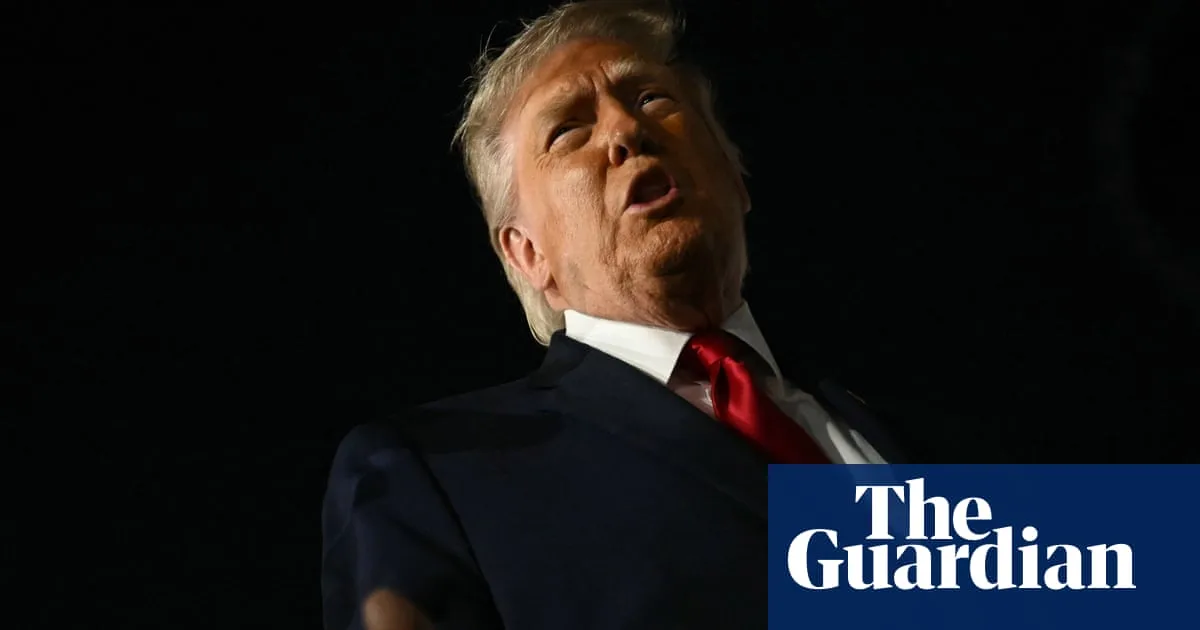
Donald Trump's narrative of the US-Iran war is increasingly at odds with events on the ground, as the president continues to claim imminent peace deals while simultaneously threatening devastating strikes. Since the conflict began, Trump has repeatedly declared victory and insisted a deal is close, yet no agreement has materialised. A CNN tally counted 38 instances of him claiming a deal was near.
The cycle of threat, detente and deadlock persists, most recently after a US Apache helicopter was downed off Oman by an Iranian drone. Despite Pentagon chief Pete Hegseth's assertion that Iran lacks anti-aircraft capabilities, the attack suggests otherwise. Iran has continued missile and drone strikes against US allies in Kuwait, Bahrain and Jordan, prompting US retaliation against radar and anti-aircraft sites in Iran.
Trump's mixed messages have eroded trust in his declarations. He warned of a fierce response on Wednesday but also said a deal was "really close", accusing Iran of playing the US "for suckers". Meanwhile, other leaders appear to exploit the credibility gap. Trump claimed he told Israel's Benjamin Netanyahu not to retaliate against Iran, but when Israel struck, Trump said the "missiles had already gone". He later denied Netanyahu had defied him.

The US president has repeatedly threatened strikes on Iran's civil and energy infrastructure, which observers say could constitute war crimes, only to revert to diplomacy or ultimatums with forgotten deadlines. Fox News reported on Wednesday that Trump was again "inching" toward radical strikes, yet the US remains unable to translate military superiority into political gains.
Iran shows no sign of capitulation. Foreign Minister Abbas Araghchi wrote: "Despite its defeats on the battlefield, the US opted to test our determination. Our powerful armed forces will leave no attack or threat unanswered. Leave our region if you want to be safe."