Trump's Iran War Backfires as Petrol Price Pain Fuels American Anger
Trump's Iran War Backfires Amid Petrol Price Pain

Trump's Iran War Backfires as Petrol Price Pain Fuels American Anger

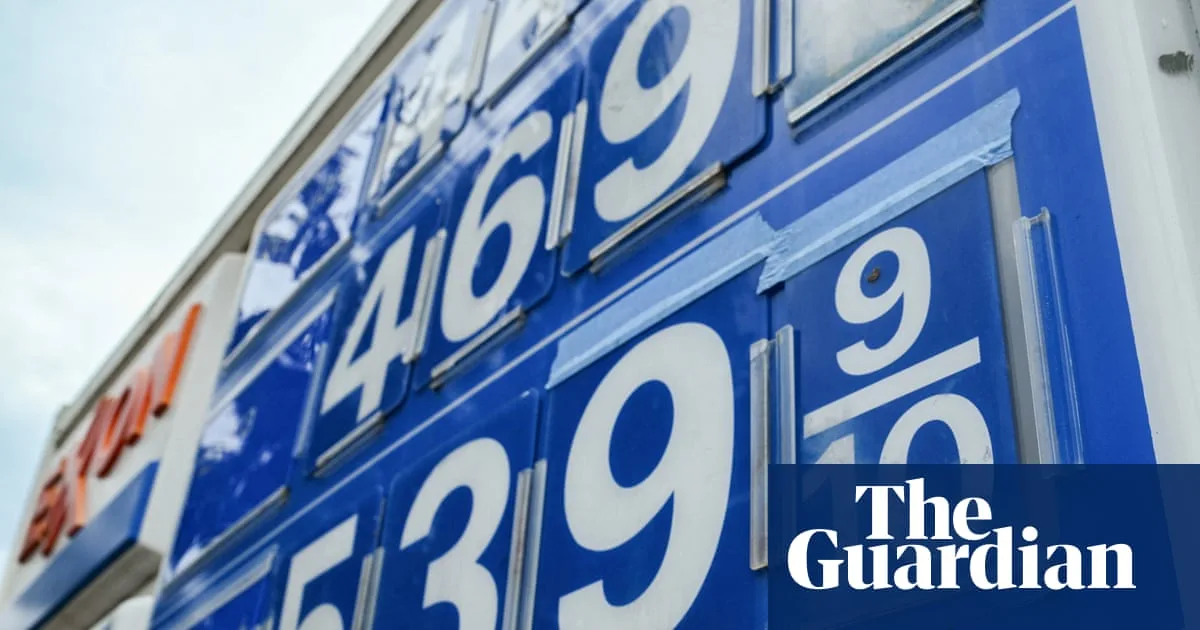
Donald Trump is facing a mounting backlash from Americans who believe his military action against Iran has gone too far, with rising petrol prices and cost-of-living fears driving widespread resentment. As the conflict enters its fourth week, voters are expressing fury over the economic impact, adding to existing inflation woes exacerbated by the president's tariffs.

Poll Reveals Deep Concerns Over Military Escalation

A survey from The Associated Press-NORC Centre for Public Affairs Research indicates that while Trump's approval rating remains steady among his base, the Iran conflict is rapidly becoming a major political liability. Approximately 59 percent of Americans say military action in Iran has been excessive, reflecting growing unease with the administration's foreign policy approach.

Meanwhile, concerns about affordability are skyrocketing. About 45 percent of Americans are "extremely" or "very" concerned about being able to afford petrol in the coming months, a significant increase from 30 percent in a poll conducted shortly after Trump's reelection. This surge comes despite campaign promises to improve the economy and lower living costs.

Wide Pickt banner — collaborative shopping lists app for Telegram, phone mockup with grocery list

Mixed Support for Foreign Policy Objectives

There is notable support for at least one of Trump's stated goals: preventing Iran from obtaining nuclear weapons. Approximately two-thirds of Americans say this should be an "extremely" or "very" important foreign policy priority. However, they are equally likely to emphasize the importance of keeping US oil and petrol prices from rising, highlighting the tension between security concerns and economic realities.

Trump's overall approval rating remains at about 40 percent, unchanged from last month, while his foreign policy approval is slightly lower but largely steady. The president has left his next steps on Iran unclear, alternating between escalating threats and suggesting diplomatic talks could resolve the fighting.

Bipartisan Concern Over Petrol Prices

Keeping petrol prices down emerges as a rare unifying issue across party lines. About three-quarters of Republicans and two-thirds of Democrats say it's highly important to prevent US oil and gas prices from increasing. However, concern about the current situation isn't evenly distributed: only about 30 percent of Republicans express significant worry about affording petrol, compared to approximately 60 percent of Democrats.

Trump's focus on Iran's nuclear program resonates more strongly with Republicans. While about two-thirds of Americans overall prioritize preventing Iran from obtaining nuclear weapons, roughly 80 percent of Republicans say this is at least "very" important, compared to only about half of Democrats.

Political Divisions Over Military Action

The war has intensified debates over Israel's role in US foreign policy, particularly since Israeli Prime Minister Benjamin Netanyahu advocated for attacking Iran. Only about 40 percent of US adults say preventing Iran from threatening Israel should be a high priority, and toppling Iran's government is viewed as even less important, with only about 30 percent considering it at least "very" important.

As Trump sends mixed messages about whether the Iran war will end soon, opposition to military escalation is growing. Approximately 90 percent of Democrats and 60 percent of independents say the Iran attacks have "gone too far." Republicans are more divided: about half say US military action has been "about right," while only about 20 percent believe it hasn't gone far enough, and roughly 25 percent say it's gone too far.

Americans remain broadly apprehensive about Trump's ability to make sound decisions on military force deployment outside the US, with most opposing more aggressive steps like deploying ground forces. The conflict's economic repercussions, particularly through petrol price increases, are turning what began as a foreign policy initiative into a domestic political crisis for the administration.

Pickt after-article banner — collaborative shopping lists app with family illustration