
Gun rights groups, long among Donald Trump's most loyal allies, have shown rare public disagreement with his administration over the killing of Alex Pretti in Minneapolis. The 37-year-old nurse was shot dead by US border patrol officers on Saturday, and subsequent official statements have prompted a backlash from prominent pro-gun organisations.
In the aftermath of the shooting, several high-ranking officials sought to shift blame onto Pretti. Gregory Bovino, the border patrol commander, baselessly claimed Pretti's goal was to "massacre law enforcement", while homeland security secretary Kristi Noem falsely said he was looking to "inflict maximum damage". FBI director Kash Patel wrongly told Fox News that bringing a gun to a protest was illegal, and US attorney Bill Essayli suggested that approaching law enforcement with a gun made deadly force legally justified.
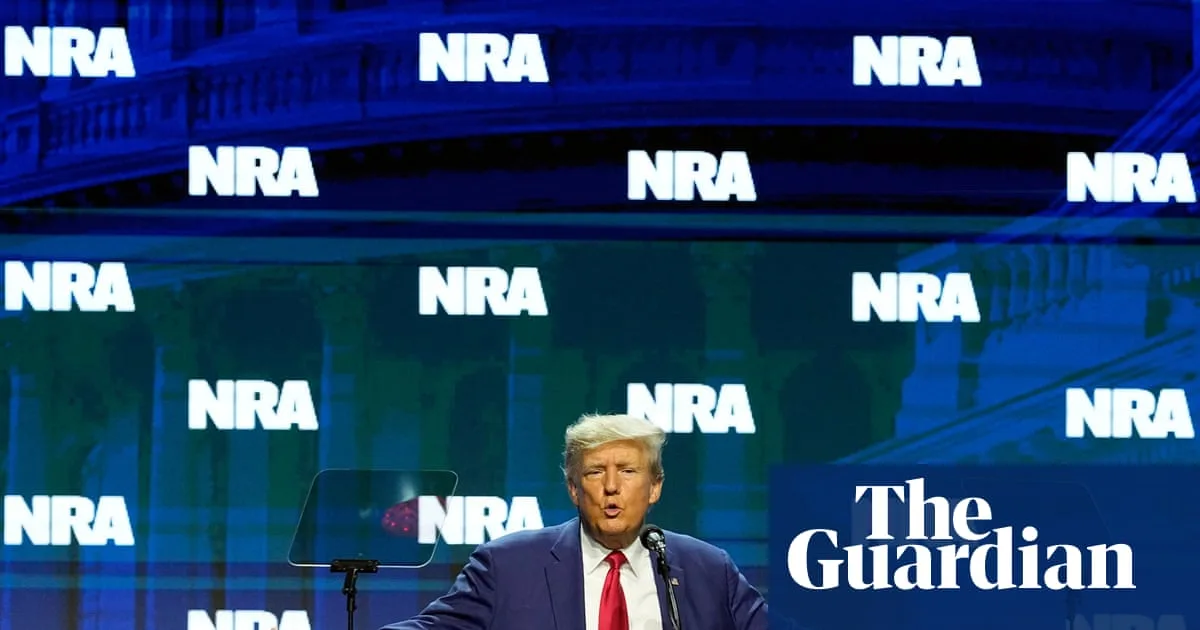
The National Rifle Association and Gun Owners of America both released statements demanding a full investigation and pushing back on the administration's rhetoric. "Responsible public voices should be awaiting a full investigation, not making generalizations and demonizing law-abiding citizens," said the NRA. Bryan Strawser, chairman of the Minnesota Gun Owners Caucus, described Essayli's comments as "completely out of line" and said the federal messaging had caused "a lot of distrust and disappointment".
Gun rights advocates pointed out that Pretti held a valid Minnesota permit to carry a firearm, and that the street where the incident occurred was not among the state's prohibited locations. They rejected the argument that carrying a spare magazine indicated violent intent, and stressed that legally observing a law enforcement operation should not be treated as a threat.
President Trump, however, appeared to side with the officials. On Monday he said: "I don't like that [Pretti] had a gun, I don't like that he had two fully loaded magazines, that's a lot of bad stuff. And despite that, I'd say it's very unfortunate." His remarks have further strained the relationship with a constituency that has often supported him.




