Trump Issues NATO Ultimatum as Starmer Announces Heating Oil Relief
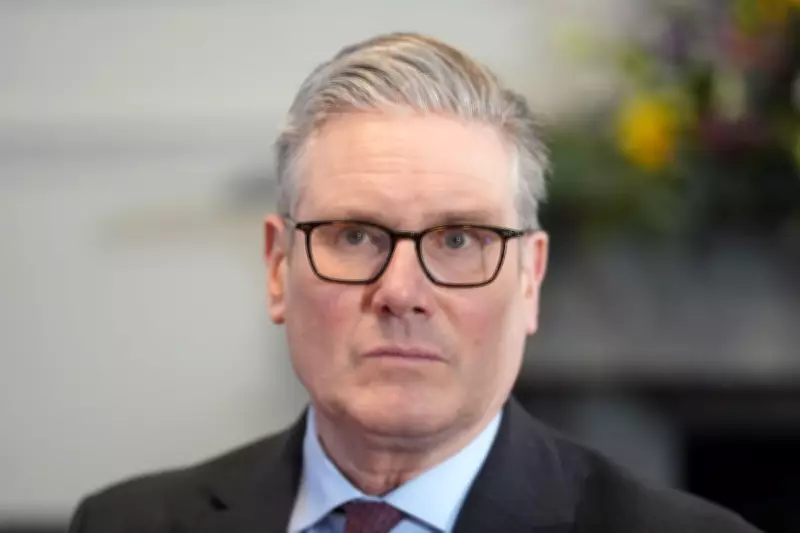
Prime Minister Sir Keir Starmer is set to unveil a substantial support package for households grappling with soaring heating oil costs, as former US President Donald Trump warns that NATO's future hangs in the balance unless allies, including the UK, provide military assistance in the Middle East.
Heating Oil Support Amid Price Spikes
Sir Keir will pledge £50 million in aid to the most vulnerable homes affected by the dramatic increase in heating oil prices, which have doubled since the onset of the Iran crisis. Approximately 1.5 million households in the UK rely on heating oil, and the Prime Minister aims to address their financial strain directly.
In a statement from Downing Street, Sir Keir emphasised his commitment: "It's moments like this that tell you what a Government is about. My answer is clear. Whatever challenges lie ahead, this Government will always support working people. That is my first instinct – my first priority – to help you with the cost of living through this crisis."
The Prime Minister also voiced strong concerns over alleged price gouging by suppliers, warning: "I will not tolerate companies trying to exploit this crisis to make money from working people… if the companies have broken the law, there will be legal action." He stressed that de-escalating the conflict is the fastest way to alleviate cost-of-living pressures for the British public.
Trump's NATO Warning and Military Demands
Meanwhile, Donald Trump has issued a stark warning to NATO allies, stating that the alliance faces a "very bad" future if member states fail to offer military aid in the Middle East. In an interview with the Financial Times, Trump reiterated his call for assistance in securing the Strait of Hormuz, a critical oil and gas route currently blockaded by Iranian forces in response to US-Israeli operations.
Trump asserted: "It's only appropriate that people who are the beneficiaries of the strait will help to make sure that nothing bad happens there." He has previously urged the UK, China, France, Japan, and South Korea to deploy ships to the region.
However, Sir Keir appears poised to reject Trump's demand for Royal Navy warships, with the UK potentially opting to send mine-hunting drones instead. An ally of the Prime Minister downplayed Trump's rhetoric, noting the transactional nature of his presidency and emphasising the enduring depth of the US-UK relationship.
Domestic and Diplomatic Maneuvers
Sir Keir also used the crisis to criticise political rivals Kemi Badenoch and Nigel Farage, defending his decision not to allow Trump to use British bases for initial strikes against Iran. He stated: "There are others who would have made a different decision two weeks ago. They would have rushed the UK headlong into this war without the full picture of what they were sending our forces into and without a plan to get us out."
On Sunday, Sir Keir and Trump held their first conversation since the US president's call for allied help. A Downing Street spokeswoman said they "discussed the ongoing situation in the Middle East and the importance of reopening the Strait of Hormuz to end the disruption to global shipping, which is driving up costs worldwide."
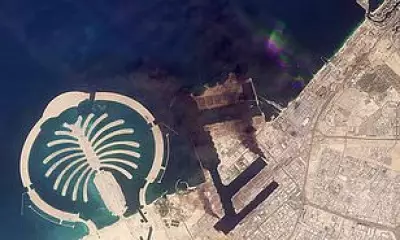
In related developments, Foreign Secretary Yvette Cooper has mobilised over £5 million in humanitarian aid for organisations in Lebanon amid the Israel-Hezbollah conflict, expressing grave concern over the humanitarian impact. Additionally, a drone-related incident near Dubai International Airport sparked a fire, leading to temporary flight suspensions, highlighting the broader regional instability.