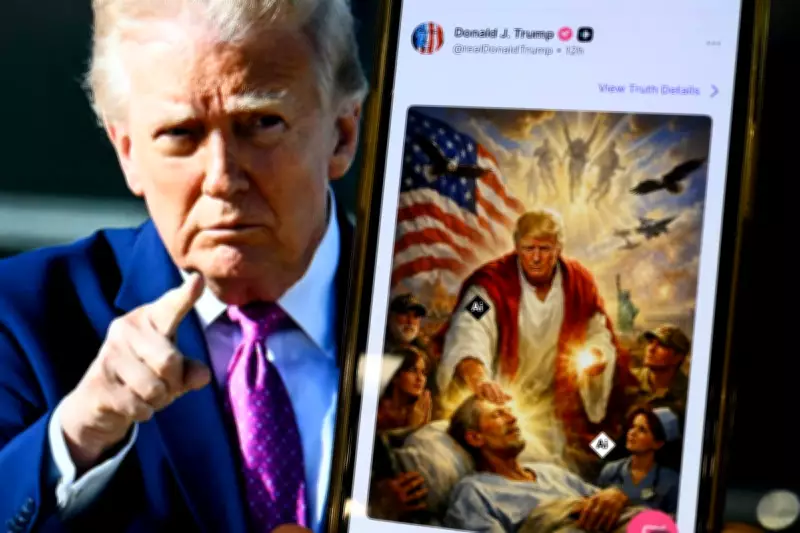
Trump's Holy War with Pope Leo: A Messiah Complex Unravels
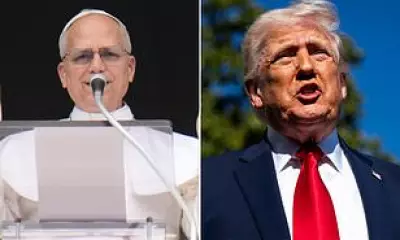
The Trump administration has dramatically intensified its religious rhetoric, a strategy that has long galvanised its Maga supporters. However, this approach faces an unprecedented challenge as Pope Leo openly condemns the administration, drawing comparisons to biblical money lenders in the temple. This clash has escalated into a full-blown war of words, exposing deeper issues within the second Trump presidency.
Vance Expands the Battlefront
Vice President Vance, a Catholic convert since 2019, has broadened the conflict by criticising Pope Leo's theological understanding. He publicly warned the pontiff to exercise caution when discussing matters of faith. This intervention adds fuel to an already fiery dispute between the White House and the Vatican, centred on the ongoing war in Iran.
The Messiah Complex and Political Unraveling
The barrage of expletives, memes, and digitally altered images portraying Trump as a saviour reveals more than intended. These elements, coupled with overt messianic overtones and bluster, indicate two critical developments: the American military campaign in Iran is encountering significant difficulties, and this pressure is destabilising both the Trump presidency and the broader Maga movement.

The narrative of Trump's messiah complex is intricate, tracing back to the rise of Maga with Trump as its improbable redeemer. His brand of performance politics, reminiscent of Silvio Berlusconi's earlier style, offered a peculiar message of hope during an era of widespread anxiety. This approach resonated deeply with disaffected individuals through television and social media channels.
Easter Escalation and Iconographic Controversy
During Easter weekend, Pope Leo expressed concerns about "a delusion of omnipotence" clouding the Iran conflict. He specifically denounced Trump's threats to bomb Iranian people "back to the Stone Ages" and warnings about civilizational collapse. Trump responded with characteristic personal attacks, labelling the Pope "WEAK on Crime, and terrible on Foreign Policy" on his Truth Social platform.
The situation grew more brazen when an image surfaced depicting Trump dressed as Christ in Baroque style, healing the sick. This provoked outrage among some Christian supporters, including prominent Catholic commentator Ross Douthat, who called it a violation of fundamental commandments. Although Trump claimed he was merely portrayed "as just a doctor," and the image was quickly removed, the incident underscores a profound pattern of political narcissism with historical roots.
Messianic Promotion and Historical Parallels
Ardent Maga proponents have consistently framed Trump in messianic terms. Figures like blogger Curtis Yarvin, who advocates monarchy and views Trump as a providential gift, and Steve Bannon, who describes Trump as "a vehicle of divine providence," exemplify this trend. This rhetoric aligns with millenarian radicalism throughout Christian and European political history, focusing on a redeemer's return to usher in a new era.
Curiously, similar messianic beliefs appear among Trump's adversaries in Shia Iran, where followers await the reappearance of the hidden Imam al-Mahdi. Among Trump's supporters, radical evangelical Christian Zionists, such as Ambassador Mike Huckabee and former Secretary of State Mike Pompeo, emphasise divine intervention in the Middle East, with Pompeo referencing the rapture and end-times theology.
Eroding Support and Constitutional Challenges
Despite these grand narratives, Trump is losing ground with American voters, while Pope Leo enjoys greater popularity. Polls indicate that 61% of Americans believe Trump has grown more erratic with age, and even former allies like Marjorie Taylor Greene have suggested invoking the 25th Amendment for his removal. However, the complex constitutional procedure makes such action unlikely before the next election.
This situation echoes historical patterns where societies eventually return to reason after periods of disruption and cultish behaviour. As noted in analyses, Trump cannot simply post his way out of a war initiated without congressional approval or voter support. The focus must shift to constitutional mechanisms, as a growing congressional majority recognises, marking a potential starting point for recalibration.