Trump Accused Iran of Deadly School Strike Based on Flawed Intelligence
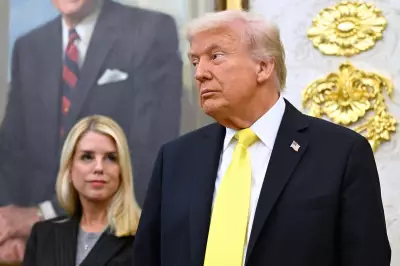
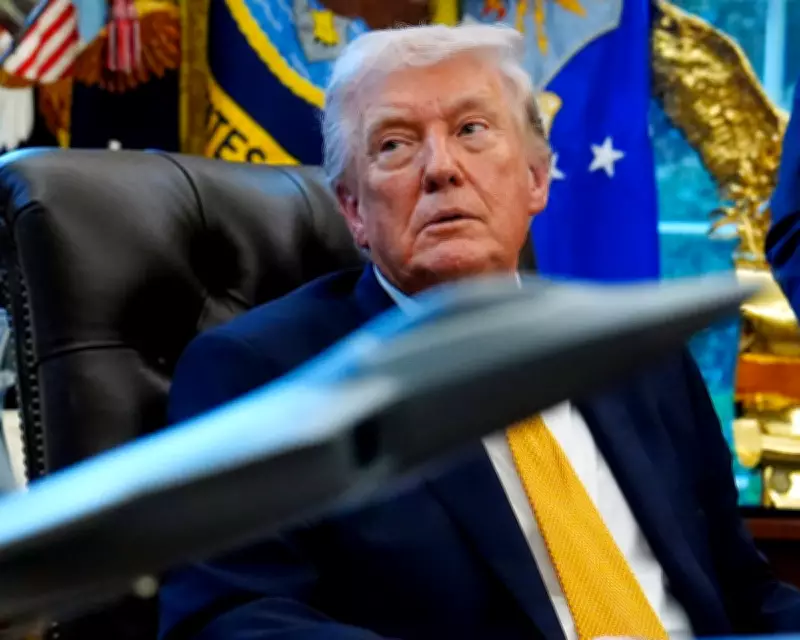
Donald Trump's attempt to blame Iran for a fatal missile strike on an elementary school originated from an initial US intelligence assessment that was quickly dismissed, according to two anonymous sources familiar with the sensitive deliberations. The former president settled on this explanation before discussing it with reporters, even as defense officials urged caution.
Early CIA Assessment Prompted Trump's Claims
The CIA initially informed Trump that the missile used in the strike was unlikely to be American, citing the low positioning of its fins, which differed from typical Tomahawk cruise missiles. However, within 24 hours, additional video footage from different angles revealed the missile was indeed a Tomahawk—a weapon used exclusively by the US and select allies like the UK, Japan, and Australia.
Despite this correction, Trump had already publicly asserted Iran's responsibility during a press conference, suggesting the missile belonged to Iran even after acknowledging it was a Tomahawk. It remains unclear when Trump received the updated intelligence, but former officials criticized both the briefers and Trump for handling preliminary information recklessly.

Pentagon Investigation Supports Revised Findings
An ongoing Pentagon investigation has corroborated the revised assessment, concluding that the missile was a US-fired Tomahawk based on outdated intelligence. The strike, which killed at least 175 people, many of them children, ranks among the deadliest targeting errors in recent decades. The investigation is examining why the intelligence was obsolete and whether proper verification procedures were followed.
In response, White House spokesperson Anna Kelly emphasized that the investigation is ongoing and stated, "Unlike the terrorist Iranian regime, the United States does not target civilians." The CIA declined to comment on the matter.
Background on the Target and Intelligence Processes
The school in Minab was located near an Islamic Revolutionary Guard Corps navy base and had been converted from a military compound between 2013 and 2016. Typically, targets for airstrikes are identified years in advance by agencies like the Defense Intelligence Agency and the National Geospatial-Intelligence Agency, using satellite imagery to build databases in systems such as Maven Smart System.
Once entered into these databases, targets may not be re-evaluated until a strike is planned. Military planners can generate target lists using artificial intelligence tools, like Claude from Anthropic, adjusting them based on factors such as distance or destruction probability. For the Iran conflict, potential targets numbered in the thousands, raising questions about pre-strike verification.
Former intelligence officials warned that providing Trump with preliminary data was risky, as he could turn it into a public embarrassment. One ex-CIA officer noted, "If the principal asks you a question, the best thing to say is you don't know, knowing how hard it is to go back later to correct the record."