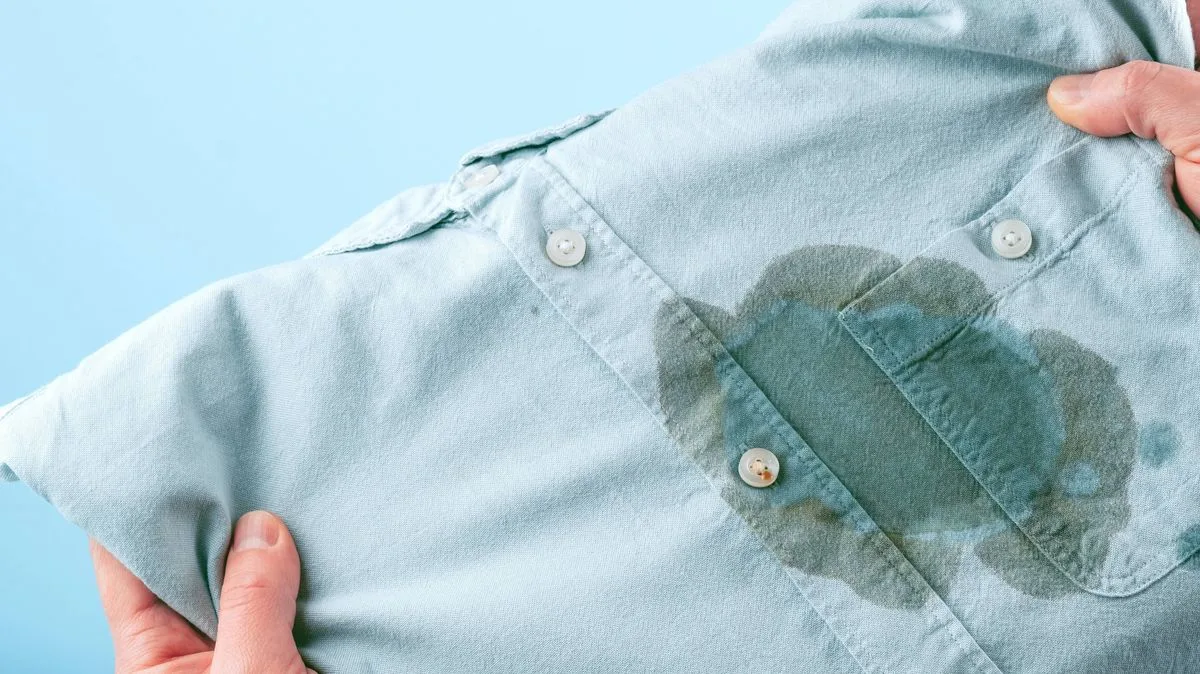
Stop Binning Oil-Stained Clothes: Two Kitchen Items Remove Marks in Seconds
Oil Stain Removal Hack Uses Two Common Household Items

Stop Throwing Away Oil-Stained Clothing: Two Items Remove Marks in Seconds

Oil stains on clothing are notoriously difficult to clean, often leading many to discard stained garments in frustration. However, a simple household hack using just two common kitchen items could eliminate these stubborn marks in mere seconds, offering a cost-effective and eco-friendly solution.

The Common Culprits of Oil Stains

Oil stains are not limited to garage mishaps or petrol station spills; they frequently originate from everyday foods. Fried items with residual grease, butter-coated dishes, dairy products, and oil-based condiments can all cause unsightly marks. A single drip from a fork onto a t-shirt might seem like a disaster, but throwing the item in the wash typically fails to remove the stain, prompting many to consider binning it.

A Revolutionary Cleaning Hack

In an Instagram video shared by Daryn Daniels, a professional home organiser from the US, a method was demonstrated that requires only baking soda (also known as bicarbonate of soda), greaseproof paper (or baking paper), and an iron. Daniels explained, "If you have oil stains that you can't get out of your clothes, I have a hack for you. I cannot believe that this is not something that is taught in school that every single person knows."

Wide Pickt banner — collaborative shopping lists app for Telegram, phone mockup with grocery list

The process involves sprinkling baking soda generously over the stain, patting it in lightly, placing a piece of greaseproof paper on top, and then ironing over it with a hot iron. The heat activates the baking soda, causing it to absorb the grease. After removing the paper and shaking off excess baking soda, the stain often disappears completely, as shown in the demonstration.

Expert Backing and Practical Tips

Cleaning product brand Smol supports the use of baking soda for oil and grease stains, noting it is particularly effective on fresh stains. They recommend sprinkling baking soda over the mark and leaving it for at least 30 minutes before brushing off the excess, which can help draw out oil.

However, commenters on Daniels' post highlighted potential issues, advising caution with synthetic fabrics like polyester, as ironing might melt or damage them. One user remarked, "I'm going to try this next time I have cotton, but maybe don't do this on polyester or synthetics because it might melt!" Another added, "This would've been nice to know before I donated my favourite shirt because of a nasty oil stain."

Comprehensive Guide to Oil Stain Removal

For those seeking alternative or additional methods, here is a step-by-step guide to effectively tackle oil stains:

  • Act fast: Blot excess oil with kitchen roll or a paper towel; avoid rubbing to prevent pushing oil deeper into fibres.
  • Check the care label: If the garment is labelled "dry clean only," do not attempt a full wash; consult a professional cleaner.
  • Use an absorbent powder: Sprinkle bicarbonate of soda, cornflour, or talc on the stain, leave for 15–60 minutes (longer for heavy stains), then brush or shake off.
  • Pre-treat with washing-up liquid: Apply a small amount directly to the stain and gently work it in with fingers or a soft toothbrush.
  • Rinse from the back: Use warm water to push oil out, ensuring the temperature is safe for the fabric.
  • Wash as normal: Use the warmest water allowed on the label with a biological detergent.
  • Check before drying: If the stain persists, repeat pre-treatment and washing; avoid tumble-drying or ironing until the stain is gone, as heat can set it.
  • For set-in stains: Repeat powder and washing-up liquid steps, then try a longer pre-soak in warm water with detergent before washing again.
  • For delicate fabrics: Avoid hot water and aggressive scrubbing on materials like silk or wool; use gentle detergent and patch-test first.
  • If stains persist: After a couple of cycles, stop using heat and consider professional cleaning to avoid further damage.

This hack and guide provide practical solutions to extend the life of clothing, reducing waste and saving money. Always test methods on a small, inconspicuous area first to ensure fabric safety.

Pickt after-article banner — collaborative shopping lists app with family illustration