Trump Escalates Rhetoric with 'Mental Disability' Claims Against Newsom
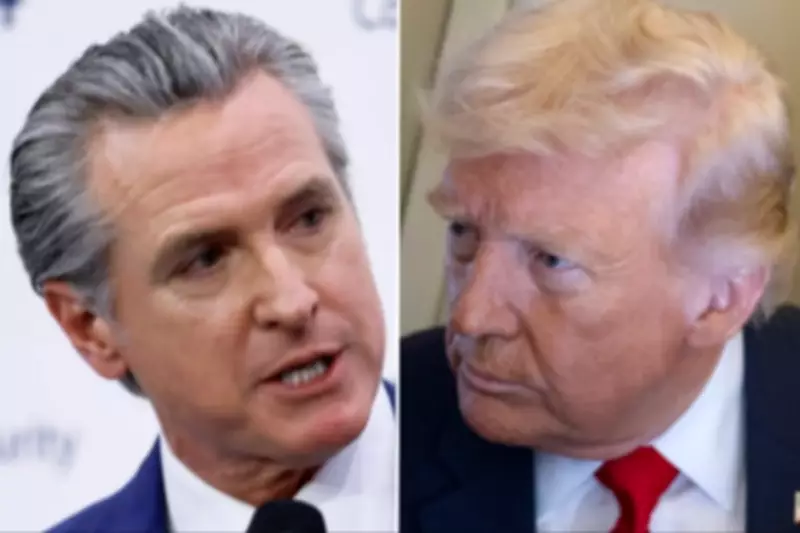
Former President Donald Trump has reiterated his harsh criticism of California Governor Gavin Newsom, using inflammatory language that has sparked widespread backlash. In recent remarks, Trump labelled Newsom as 'stupid' and explicitly stated, 'I don't want a person with mental disability to be my president.' This comment came amid ongoing political tensions, with Trump suggesting that Newsom's open discussion of his dyslexia—a learning difference—should disqualify him from presidential contention.
Trump's Cognitive Test Boast and Newsom's Response
Trump further escalated the situation by boasting about having taken a cognitive test, claiming he is the only president to have done so. This assertion appears to be part of a broader strategy to contrast his own mental acuity with that of his political opponents. However, Governor Newsom, who has been transparent about his struggles with dyslexia, responded swiftly on social media platform X. In a pointed post, Newsom implied that Trump's repeated focus on the topic of mental disability might indicate that Trump himself could be dyslexic, turning the criticism back on the former president.
The Broader Implications of the Dyslexia Debate
The exchange highlights deeper issues in political discourse, particularly around disability and mental health. Dyslexia, a common learning difficulty affecting reading and writing, does not impact intelligence or capability, yet Trump's comments risk stigmatising individuals with such conditions. Newsom's openness about his dyslexia has been praised by advocacy groups for promoting awareness and inclusivity. This incident raises questions about:

- The use of disability as a political weapon in elections.
- The impact of such rhetoric on public perceptions of mental health.
- How candidates' personal health disclosures are framed in media coverage.
As the 2026 political landscape heats up, this clash between Trump and Newsom is likely to fuel further debates over qualifications, empathy, and the boundaries of acceptable political commentary. Observers note that such personal attacks could influence voter sentiment, especially among communities affected by learning disabilities.