
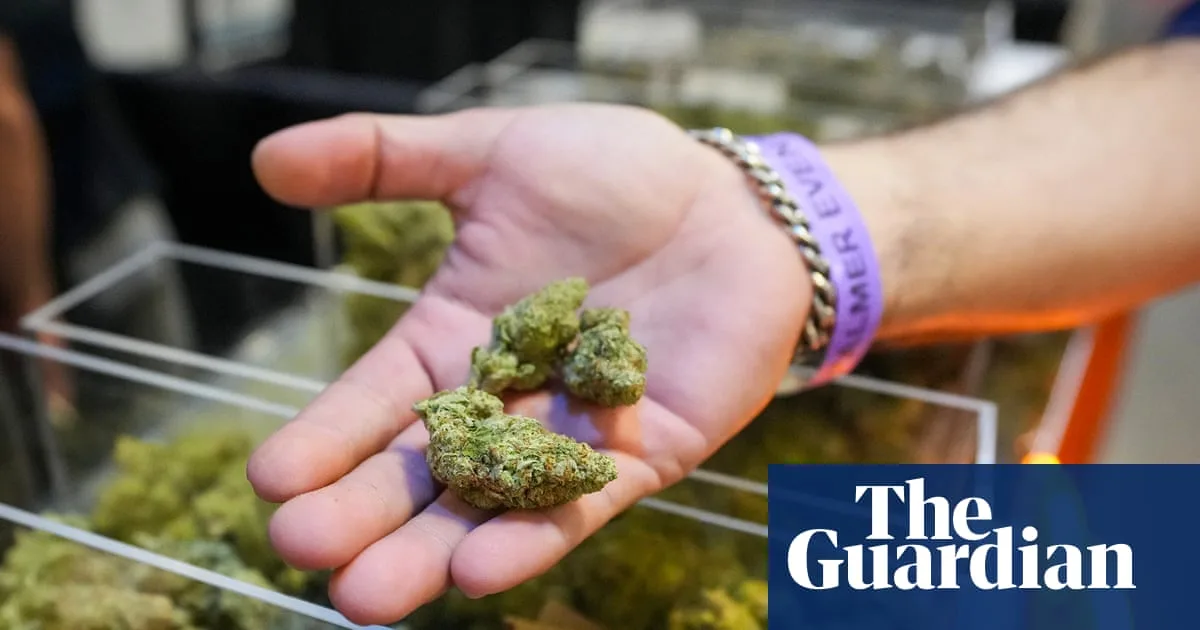
The Trump administration has officially moved to reclassify marijuana from a Schedule I to a Schedule III drug under the Controlled Substances Act, more than four months after President Donald Trump signed an executive order directing the attorney general to do so. The change was signed into effect by acting Attorney General Todd Blanche on Thursday.
Previously classified alongside heroin, LSD and MDMA, marijuana will now be in the same category as ketamine, anabolic steroids and testosterone. Blanche stated on X that the Department of Justice was 'delivering on President Trump’s promise to improve American healthcare' and that the move would enable more targeted research into marijuana's safety and efficacy.
The rescheduling comes days after Trump signed an executive order to speed a review of psychedelic drugs, including ibogaine. At that signing, Trump complained that federal officials were 'slow-walking' the marijuana rescheduling process, urging them to 'get it done'.
Notably, the reclassification does not legalise marijuana or affect sentences for those incarcerated for possession. It also does not immediately allow interstate transport or remove banking restrictions. Marijuana remains illegal under federal law, though it is legal in some form in 40 US states.
Republican operative Roger Stone recently stressed the importance of reclassification before the midterm elections, citing its appeal to young and libertarian voters. The announcement follows the firing of Attorney General Pam Bondi, who opposed marijuana reform in Florida, and her replacement by Blanche.




