The Global Resurgence of Nationalism: Trump, Farage, and Putin's Influence
In recent years, the political landscape has been dramatically reshaped by the rise of nationalist movements, with figures like Donald Trump and Nigel Farage at the forefront. This trend, often characterised by a rejection of globalism and a focus on national sovereignty, has drawn comparisons to the strategies employed by Vladimir Putin, raising questions about the future of international relations and democratic norms.
Donald Trump's MAGA Movement: A Blueprint for Populist Power
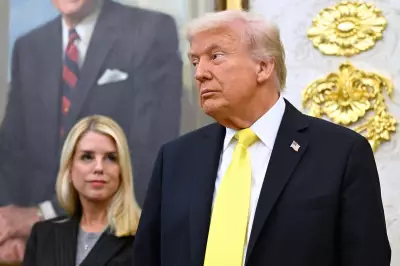
The "Make America Great Again" (MAGA) movement, spearheaded by former US President Donald Trump, has become a powerful force in American politics. It champions policies such as immigration restrictions, economic protectionism, and a sceptical stance towards international alliances like NATO. Trump's rhetoric, which often emphasises "America First," has resonated with a significant portion of the electorate, leading to a realignment within the Republican Party and influencing political discourse worldwide.
This movement has not only transformed US domestic politics but has also inspired similar groups abroad, demonstrating the global appeal of nationalist populism. Critics argue that MAGA's approach mirrors tactics used by authoritarian leaders, including Vladimir Putin, to consolidate power and undermine democratic institutions.

Nigel Farage and the Reform Party: Britain's Nationalist Vanguard
In the United Kingdom, Nigel Farage has been a pivotal figure in the nationalist movement, most notably through his leadership in the Brexit campaign. Following the UK's departure from the European Union, Farage has continued to advocate for nationalist policies via the Reform party, which focuses on issues like border control, sovereignty, and opposition to what he terms "globalist elites."
Farage's influence extends beyond Britain, as he has often aligned himself with Trump and other nationalist leaders, creating a network of like-minded politicians. This alignment has led to concerns about the potential for coordinated efforts to reshape global politics in favour of nationalist agendas, with some observers noting parallels to Putin's geopolitical strategies.
Vladimir Putin's Shadow: Nationalism as a Geopolitical Tool
Vladimir Putin, the President of Russia, has long utilised nationalism as a tool to bolster his regime and expand Russian influence. By promoting a narrative of Russian greatness and opposing Western liberalism, Putin has cultivated a strong domestic base while seeking to destabilise rival nations through disinformation and political interference.
The rise of Trump's MAGA and Farage's Reform has, in some ways, played into Putin's hands, as these movements often criticise the very international institutions that counter Russian aggression. This dynamic has led to fears that nationalist leaders in the West might inadvertently or deliberately align with Putin's interests, undermining global security and democratic values.
Implications for Global Politics and Democracy
The convergence of these nationalist movements poses significant challenges for the future of global governance. Key implications include:
- Erosion of International Alliances: Nationalist policies often prioritise unilateral action over multilateral cooperation, potentially weakening organisations like the EU and NATO.
- Rise of Authoritarian Tendencies: The rhetoric and tactics employed by figures like Trump and Farage can normalise authoritarian practices, such as attacking the media and judiciary.
- Increased Geopolitical Tensions: With Putin exploiting these divisions, there is a risk of heightened conflicts and a shift away from democratic norms worldwide.
As these trends continue to evolve, it is crucial for policymakers and citizens to critically assess the impact of nationalism on democracy and international stability. The interplay between Trump, Farage, and Putin represents a defining feature of contemporary politics, one that will likely shape global affairs for years to come.