
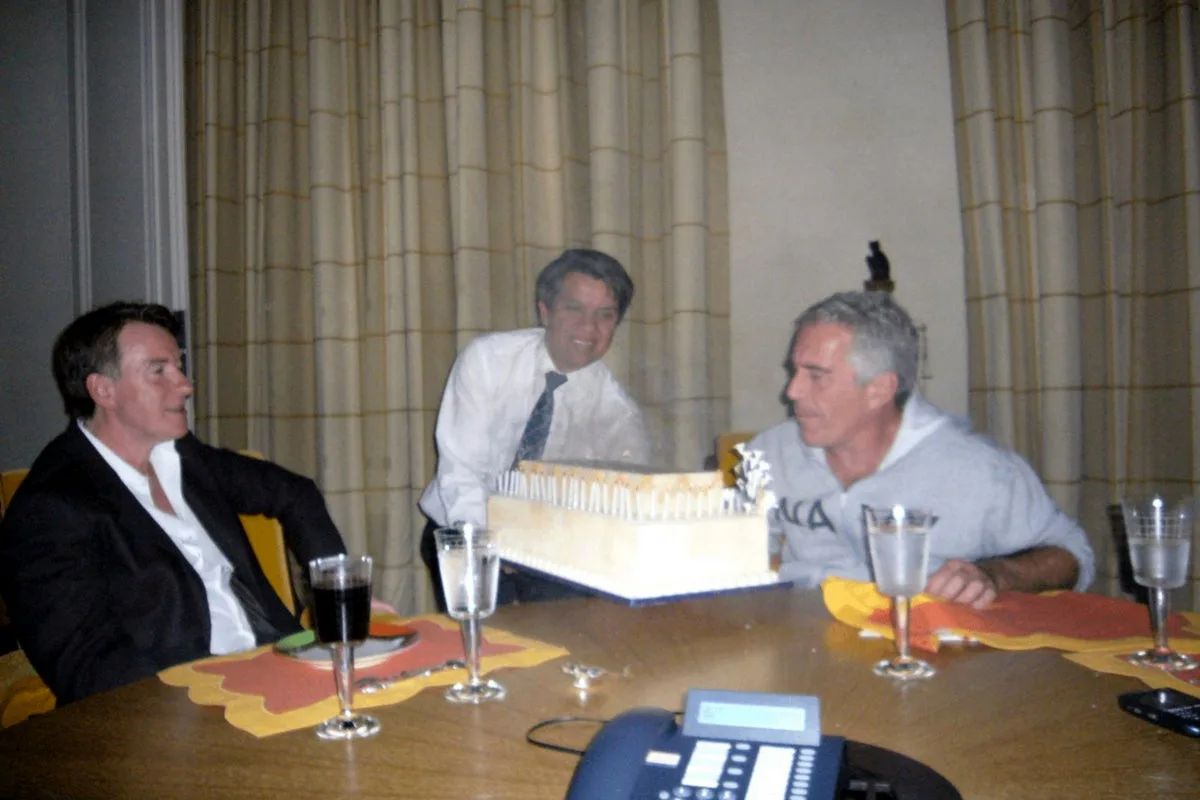
Tony Benn warned about Peter Mandelson as early as 1987, two years after Labour leader Neil Kinnock appointed him as the party's director of communications. Benn wrote in his diary after hearing Mandelson speak: 'I find Mandelson a threatening figure for the future of the Party.' Benn's distrust centred on Mandelson's perceived aim to divert Labour from its mission to redistribute wealth and power.
Mandelson's recent appointment as ambassador to Washington has renewed scrutiny of his ties to convicted paedophile Jeffrey Epstein. Epstein was first convicted 18 years ago but continued to build a network of powerful connections, including Mandelson. Critics argue that Mandelson used similar tactics to Epstein, leveraging his grandfather Herbert Morrison's legacy to advance a business-first Labour agenda.
The scandal has raised questions about Prime Minister Keir Starmer's judgment. The author, a former Labour leader, notes that Starmer would have been fully aware of Mandelson's record, including multiple resignations and his relationship with Epstein. The appointment is described as 'shameful' and 'appalling'.
Beyond Mandelson, the Epstein scandal exposes a wider network of impunity involving the British elite. The author calls for an independent public inquiry, arguing that the political establishment cannot investigate itself. The web of wealth, power, and corruption has allowed heinous crimes to go unpunished while millions live in poverty.




