Telegraph's New German Owner: A Sobering Influence or a Catalyst for Excess?
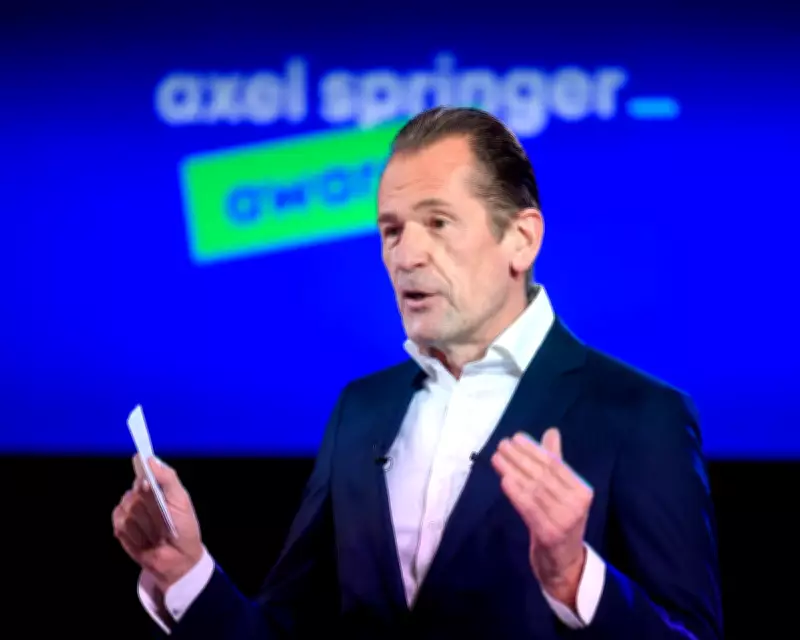
After a tumultuous three-year takeover battle, the Telegraph Media Group has found a new owner in German media conglomerate Axel Springer, with its chief executive Mathias Döpfner at the helm. The £575 million deal has left journalists at the historic British paper feeling surprisingly optimistic, even enthusiastic, about the future. This response stems from a mix of hope that Axel Springer genuinely values journalism and sheer exhaustion from the protracted sale process.
The saga highlights the precarious state of the print news industry, battered by technological shifts and economic challenges, yet still coveted by wealthy power players as a tool for influence. How long this dynamic persists may hinge on Axel Springer's stewardship under Döpfner.
A Torrid History and a New Dawn
The Telegraph's journey since the early 2000s has been fraught with drama. Axel Springer narrowly missed out in the 2004 auction, losing to the Barclay brothers, who leveraged the paper's profits while accumulating massive debts. When banks seized control, a back-room deal with Abu Dhabi-funded Redbird IMI sparked a political firestorm, leading to new laws restricting foreign state ownership of news outlets.

This legislative change paved the way for Axel Springer's successful bid, outmaneuvering rivals like the Daily Mail group. Döpfner hailed the acquisition as a "dream come true," dubbing the Telegraph his company's "north star." The hefty price tag underscores the paper's enduring influence, transcending mere financial metrics.
Axel Springer's Legacy and Döpfner's Vision
Founded in 1946, Axel Springer has grown into a European publishing giant, guided by five core principles: anti-communism, free speech, democracy, transatlantic alliance support, and backing for Israel's right to exist. Its portfolio includes conservative German titles like Die Welt and Bild, alongside respected outlets such as Business Insider and Politico.
Döpfner, however, is a more enigmatic figure. He has praised Donald Trump—later calling it a joke—and counts Elon Musk as a friend, even suggesting Musk buy Twitter and support Germany's far-right AfD party. Some Telegraph staff view him as a "mainstream conservative," but his contrarian streak raises concerns about promoting the paper's more extreme positions, particularly on immigration, to appeal to markets like the US.
Future Directions and Industry Implications
Döpfner aims to transform the Telegraph into "the most read and intellectually inspiring centre-right media outlet in the English-speaking world." He emphasizes technology and AI-driven journalism, seeking to allay fears of job cuts with pledges to uphold investigative reporting. As social media grapples with credibility issues, his leadership could either restore trust in journalism or exacerbate polarisation.
The takeover faces minimal regulatory hurdles, with Culture Secretary Lisa Nandy urging a swift resolution. Yet, the Telegraph's fate remains uncertain. This sale saga reflects not just the interplay of money, power, and politics in a struggling industry, but also Britain's evolving global stance—a complex, messy narrative with far-reaching implications.