China has announced it will resume certain ties with Taiwan, including direct flights to mainland cities and imports of Taiwanese aquaculture products. The move comes as the leader of Taiwan's opposition party concludes her visit to Beijing.
The Taiwan Work Office, under China's Communist Party, issued a statement indicating it would explore establishing a long-term communication mechanism between the Communist Party and Taiwan’s Kuomintang Party. It also committed to facilitating the import of Taiwanese aquaculture, which had been banned in recent years.
This follows a high-profile meeting on Friday between Cheng Li-wun, head of the Kuomintang, and Chinese President Xi Jinping, where both leaders called for peace without providing specific details. Taiwan governs itself, but China asserts sovereignty over the island.
Relations between China and Taiwan have been strained since 2016, following the election of Tsai Ing-wen from the Democratic Progressive Party as president. Since then, Beijing largely ceased official dialogue with Taiwan's government in Taipei and has routinely dispatched military aircraft and vessels towards the island.
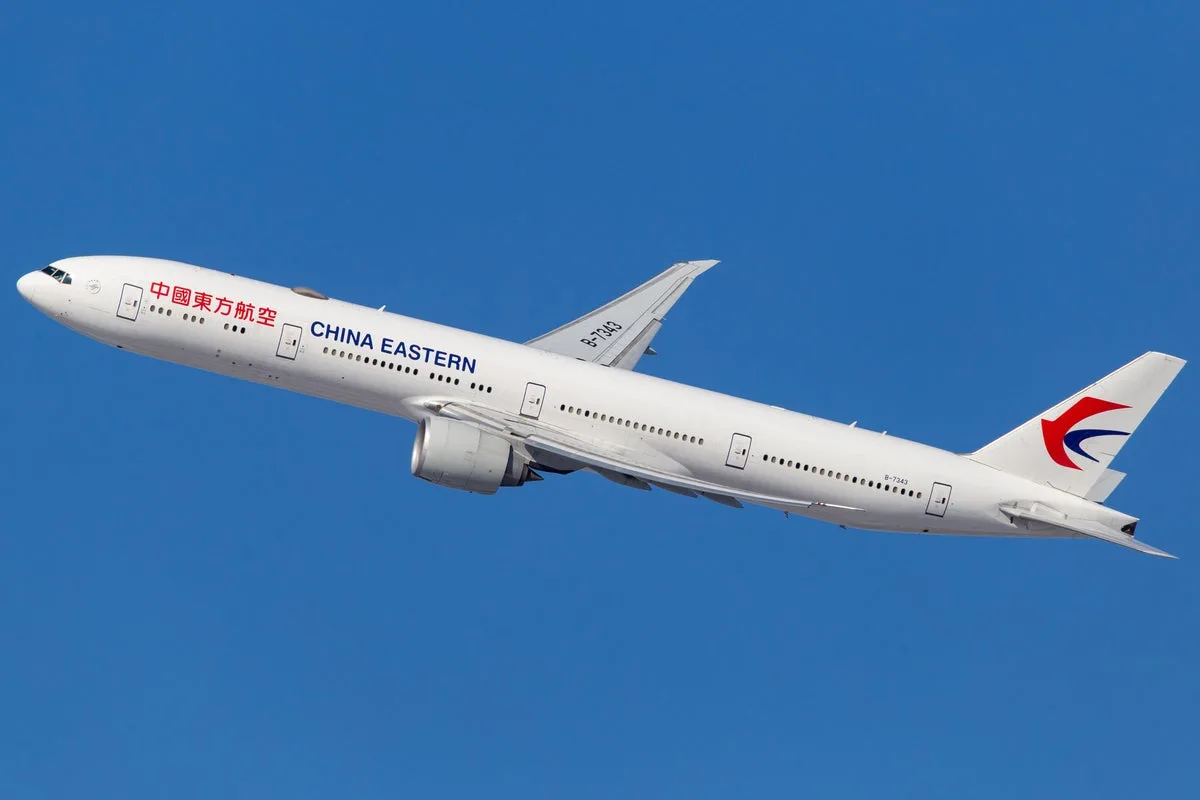
China plans to resume direct flights for other mainland cities like Xi'an or Urumqi to Taiwan, the statement said, although it remained unclear how the measures will be implemented. China also said it would work toward construction of a bridge connecting to Matsu and Kinmen, Taiwanese islands closer to China.
China banned the import of Taiwanese pineapples in 2021 and extended the ban to products like grouper fish, squid, tuna and other fruits. After the initial ban on grouper, Taiwan’s Ministry of Agriculture said it approached China about adjustments, but China replied with a limited list of individual companies allowed to sell to China without explanation.