Supreme Court Hears Landmark Birthright Citizenship Case, Affecting Immigrant Families
An Argentine emigre living in Florida acted swiftly after her son's birth last year, securing him a U.S. passport as tangible proof of his American citizenship. Now, she finds herself embroiled in a pivotal legal battle over President Donald Trump's executive order, which seeks to deny U.S. citizenship to children born in the United States to individuals residing illegally or temporarily. "It's funny because I actually booked him for his passport application appointment even before he was born," the 28-year-old mother revealed, speaking anonymously due to fears of retribution from the Republican administration. Her 7-month-old son napped nearby as she expressed relief that he remains protected for now.
Constitutional Clash Over Citizenship
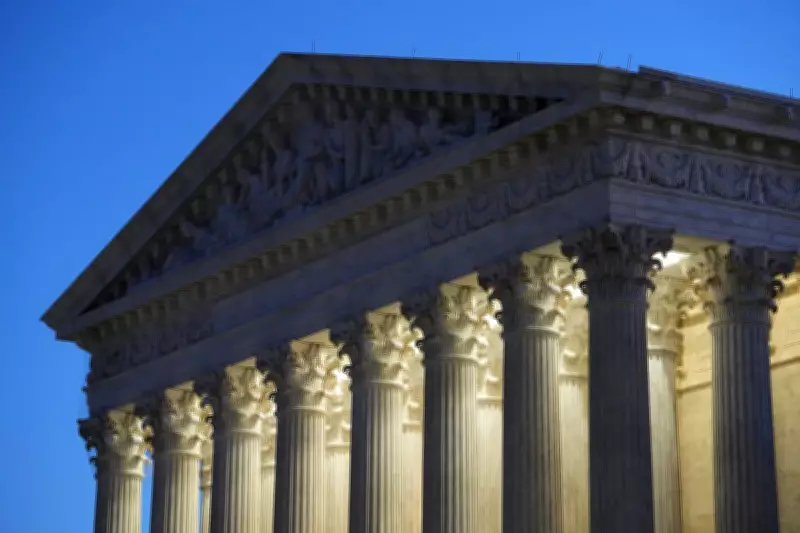
The Supreme Court is set to hear arguments on Wednesday regarding whether Trump's order, signed on January 20, 2025, aligns with the post-Civil War 14th Amendment and an 86-year-old federal law. Historically, these provisions have been interpreted to grant citizenship to nearly all individuals born in the U.S., with exceptions only for children of foreign diplomats and invading armies. Every lower court that has reviewed the issue has deemed the order illegal, preventing its implementation. This case represents another critical test for the high court, which has previously permitted certain anti-immigration measures to proceed despite lower court blocks.
The dispute centers on the Citizenship Clause of the 14th Amendment, which states that "all persons born or naturalized in the United States, and subject to the jurisdiction thereof" are citizens. Trump's administration argues that individuals in the country illegally or temporarily are not "subject to the jurisdiction" of the U.S., thus their U.S.-born children should not receive citizenship. Solicitor General D. John Sauer contends that the court should correct "long-enduring misconceptions about the Constitution's meaning," comparing the case to landmark decisions like Brown v. Board of Education and Heller.

Broader Immigration Crackdown and Legal Challenges
The push to repeal birthright citizenship is part of a broader Trump administration crackdown on immigration, which has included increased deportations, reduced refugee admissions, suspended asylum at the border, and revoked temporary protections for those fleeing instability. Justice Sonia Sotomayor, joined by other liberal justices, previously criticized the administration's defense of the order as "an impossible task" given constitutional text, history, and precedent.
Challengers, including pregnant mothers and advocates, argue that the administration's position lacks merit. "We have the president of the United States trying to radically reinterpret the definition of American citizenship," said Cecillia Wang, legal director of the American Civil Liberties Union, who will argue against Sauer. Research from the Migration Policy Institute and Pennsylvania State University indicates that over 250,000 babies born annually in the U.S. could be affected, extending beyond undocumented immigrants to include legal residents such as students and green card applicants.
Personal Stories and National Implications
The Argentine woman, who arrived in the U.S. in 2016 on a student visa and has since applied for a green card, described moments of panic following a June court ruling that raised the possibility of the order taking effect, particularly in states like Florida that had not challenged it. Lower-court rulings over the summer kept the order on hold, leading to the current Supreme Court case. Amid the typical worries of a first-time mother, she never anticipated grappling with executive orders impacting her baby's citizenship so late in her pregnancy.
Despite the legal turmoil, she has not reconsidered her decision to stay in the United States. As her son stirred, she reflected, "And so nothing that happens, politically or otherwise, would have changed my views of the country, I mean, because it gave me the most beautiful thing I have today, which is my family." This case underscores the profound personal and national stakes involved in redefining American citizenship through executive action.