Starmer's Defensive PMQs Performance Draws Cross-Party Criticism
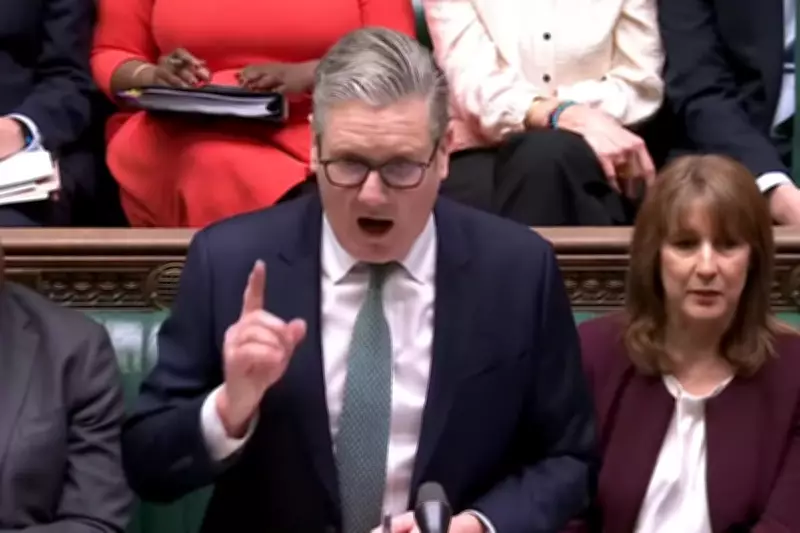
Prime Minister Keir Starmer faced a storm of criticism during Wednesday's Prime Minister's Questions, with opposition parties and even members of his own Labour ranks challenging his leadership decisions. The session saw Starmer adopt alternating tactics of humour and aggression, but consistently avoid direct answers to pressing questions.
Humour Gives Way to Defensive Anger
Anticipating a difficult session, Starmer initially attempted humour by noting his numerous meetings with ministerial colleagues throughout the week. However, this light approach quickly gave way to defensive anger as questioning intensified. The prime minister found himself under sustained pressure from multiple directions throughout the thirty-minute session.
Badenoch Leads Conservative Attack
Conservative MP Kemi Badenoch spearheaded the opposition assault, questioning Starmer's consistency on taking responsibility for decisions. She highlighted his recent dismissal of chief of staff Morgan McSweeney, who had advised appointing Peter Mandelson as US ambassador. Starmer defended McSweeney's contributions to party transformation but avoided addressing the specific Mandelson appointment controversy.

Badenoch further challenged Starmer's shifting position on Cabinet Secretary Chris Wormald and questioned why Lord Doyle received a peerage despite campaigning for someone charged with child sex offences. Starmer's response that Doyle "did not give a full account of his actions" and had the Labour whip removed failed to satisfy critics.
SNP and Lib Dem Leaders Join the Fray
Scottish National Party leader Stephen Flynn delivered one of the session's most biting critiques, suggesting Starmer's defence that colleagues "weren't clear with him" made him appear "the most gullible former director of public prosecutions in history." Starmer countered by referencing the upcoming trial of former SNP chief executive Peter Murrell.
Liberal Democrat leader Ed Davey accused Starmer of failing to take responsibility for mistakes, prompting the prime minister to retort with "Austerity!" and blame Davey's coalition government involvement for current problems.
Internal Labour Discontent Surfaces
Perhaps most tellingly, Starmer faced visible discontent from within his own party. Female Labour MPs appeared particularly unhappy about what they perceive as insufficient attention to Jeffrey Epstein's abuse of women and girls. While Labour whips organised supportive noise, many Labour MPs' facial expressions told a different story.
Even Chancellor Rachel Reeves, who energetically supported Starmer during Badenoch's questioning, appeared stony-faced during Flynn's interventions. The internal tensions highlighted growing unease about Starmer's leadership approach among some Labour members.
Avoidance Strategy Raises Questions
Throughout the session, Starmer consistently avoided direct answers while launching counter-attacks against questioners. At one point, he contrasted his handling of Jeremy Corbyn with Badenoch's approach to Liz Truss, though this had little relevance to the questions about Mandelson and Doyle.
Political observers noted that while avoiding questions is common in politics, Starmer's consistent and aggressive avoidance appeared defensive rather than strategic. His performance suggested a leader under pressure rather than one confidently addressing concerns.
Low Expectations Provide Limited Relief
Starmer benefited somewhat from diminished expectations following a difficult week. Many anticipated he might appear completely overwhelmed, so simply displaying some fight and completing the session without major missteps represented a modest achievement. However, this low bar for success underscores the challenges facing his leadership.
The unanswered questions about Mandelson's proposed appointment and Lord Doyle's peerage will likely resurface in coming days and weeks. Starmer's PMQs performance may have bought temporary breathing space but failed to resolve underlying concerns about decision-making and accountability within his administration.